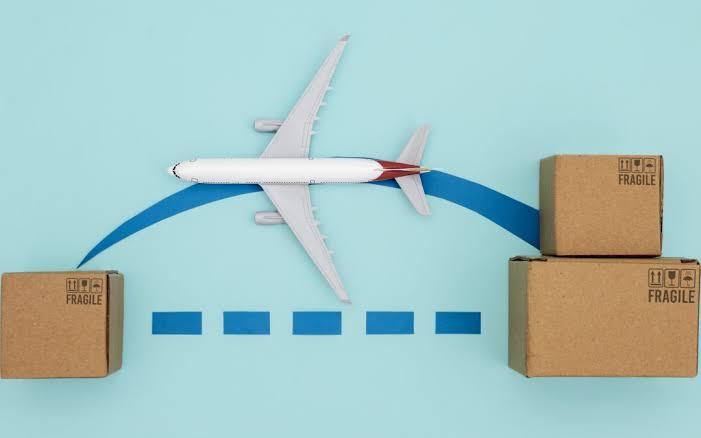
Moving to a new place can be an exciting experience, whether it means shifting to another city for work, relocating closer to family, or starting a completely new life in another country. But while the idea of a fresh beginning feels exciting, moving your belongings from one place to another can quickly become a demanding task.
There is much more to moving than packing clothes, putting furniture into boxes, and arranging transportation. People need to think about what they should carry, how their belongings will be transported, how much the move will cost, and whether everything will reach the new destination safely.
The planning becomes even more important when moving internationally. Different countries may have different customs requirements, shipping procedures, documentation rules, and restrictions on certain items.
A little preparation can save time, reduce unnecessary expenses, and prevent last-minute confusion. So, what should people plan before moving their belongings across cities or countries? Let's look at the important things to consider.
1. Make a Complete List of Your Belongings
Before packing anything, take some time to understand exactly what needs to be moved. Many people start putting items into boxes without checking how much they actually own.
This often leads to unnecessary packing, additional transportation costs, and confusion when unpacking.
Start by walking through every room and creating a list of your belongings.
Your inventory can include:
Furniture such as beds, sofas, tables, and chairs.
Kitchen appliances and household equipment.
Clothes, footwear, and personal accessories.
Electronic devices and their accessories.
Books, documents, and important records.
Decorative items, artwork, and personal collections.
Children's belongings and everyday essentials.
An inventory also makes it easier to check whether everything has arrived at the new location.
Practical Tip: Take photographs of valuable belongings before packing them. This can help with identification and provide useful records if something gets damaged during transportation.
2. Decide What to Carry, Sell, Donate, or Discard
Moving everything you own is not always necessary. In fact, carrying unnecessary belongings can make relocation more expensive and time-consuming.
A move is a good opportunity to organise your possessions and decide what you genuinely need in your new home.
Divide your belongings into four simple categories:
Category | What to Do | Examples |
Keep | Pack and move | Essential furniture and clothes |
Sell | Find a new owner | Unused appliances and furniture |
Donate | Give away usable items | Clothes, books, and household goods |
Discard | Dispose of responsibly | Broken or unusable belongings |
This approach helps reduce the total volume of belongings that need transportation.
It can also make unpacking easier because you will be taking only the things that have a purpose in your new home.
3. Set a Realistic Moving Budget
One of the biggest mistakes people make is estimating moving expenses based only on transportation charges.
The actual cost of relocation can include several additional expenses, especially when moving internationally.
For example, people may need to pay for packing materials, professional movers, insurance, storage, customs duties, and delivery services.
Here are some common expenses to include in your budget:
Moving Expense | What It Covers |
Packing materials | Boxes, tape, bubble wrap, and protective covers |
Moving company | Labour and transportation services |
Loading and unloading | Handling furniture and heavy belongings |
Insurance | Eligible loss or damage protection |
Storage | Temporary storage when required |
Customs charges | Applicable duties and clearance expenses |
Additional delivery | Transportation to the final address |
The final cost depends on the distance, volume of belongings, transportation method, destination, and services selected.
It is also sensible to keep some extra money aside for unexpected expenses.
4. Choose the Right Moving and Transportation Service
Selecting the right moving company can make a significant difference to the overall relocation experience.
Some people prefer handling the move themselves, while others hire professional movers to manage packing, transportation, and delivery.
The right option depends on how much you own, how far you are moving, and how much time you can dedicate to the process.
Before selecting a moving company, consider:
Experience with local or international relocation.
Availability of packing and unpacking services.
Transportation options.
Estimated delivery time.
Insurance and liability arrangements.
Customer reviews and service reputation.
Written quotations and payment conditions.
Different Ways to Transport Your Belongings
Transportation Method | Best Suited For | Main Consideration |
Road transport | Local and interstate moves | Distance and road conditions |
Rail transport | Certain long-distance domestic moves | Route and service availability |
Air freight | Urgent or selected international shipments | Higher transportation costs |
Sea freight | Large international shipments | Longer delivery times |
Personal vehicle | Smaller household moves | Available space and driving distance |
For international relocation, sea freight is commonly considered for larger shipments, while air freight may be useful when speed is more important than cost.
Always compare services based on the actual requirements of your move rather than choosing the first available option.
5. Understand International Customs and Shipping Rules
Moving belongings to another country involves more than arranging transportation. Customs regulations and import requirements can affect what you are allowed to bring into your destination country.
Different countries have different rules regarding household goods, personal belongings, food products, plants, medicines, electronics, and other restricted items.
Before shipping anything internationally, check:
Whether household goods qualify for any relocation-related import relief.
Which documents are required for customs clearance.
Whether an inventory or packing list is necessary.
Whether certain goods are restricted or prohibited.
Whether duties or taxes may apply.
Whether special permits are required for specific belongings.
Some countries provide customs concessions for eligible people relocating their normal residence, but the conditions vary.
Do not assume that previously owned belongings are automatically exempt from customs duties.
Checking the destination country's requirements before packing can help prevent delays, unexpected charges, or shipment problems.
6. Pack Your Belongings According to Their Type
Packing is not simply about putting everything into cardboard boxes. Different belongings require different levels of protection.
Fragile items, electronics, furniture, clothing, and important documents should be packed separately using suitable materials.
Here are some useful packing suggestions:
Furniture
Disassemble large furniture where possible.
Keep screws and small fittings in labelled bags.
Use protective covers for wooden and upholstered surfaces.
Protect corners and edges from scratches.
Electronics
Use original packaging when available.
Wrap devices with suitable protective materials.
Keep chargers and accessories together.
Back up important digital information before moving.
Kitchen Items
Wrap glassware and crockery individually.
Use strong boxes for heavier kitchen equipment.
Keep sharp objects safely covered.
Separate food items that cannot be transported.
Clothing and Personal Items
Use suitable bags or wardrobe boxes.
Keep frequently used clothes accessible.
Pack seasonal clothing separately.
Avoid overfilling boxes.
Good packing reduces the chances of damage and makes the unpacking process more organised.
7. Label Every Box Clearly
Imagine arriving at your new home and finding twenty boxes without knowing what is inside them. It can turn a simple unpacking task into a frustrating experience.
Labelling boxes properly helps everyone understand where each item belongs.
A useful label should include:
Room name, such as bedroom or kitchen.
General contents of the box.
Fragile warning, where required.
Handling instructions.
Box number for inventory tracking.
For example:
Box Number | Room | Contents | Special Instructions |
01 | Kitchen | Plates and bowls | Fragile |
02 | Bedroom | Clothes | Keep dry |
03 | Living Room | Books and decorations | Handle carefully |
04 | Office | Computer accessories | Keep organised |
05 | Bathroom | Personal care items | Store upright where needed |
For international shipments, ensure the packing list and shipping documentation are consistent with the actual contents.
8. Keep Important Documents and Valuables Separate
Not everything should be packed into a moving truck or shipping container.
Certain belongings are too important to leave in general household shipments. Documents, jewellery, cash, passports, and essential personal items should be handled separately.
Important documents may include:
Passport and identification documents.
Visa and immigration paperwork.
Property rental or purchase agreements.
Educational and employment records.
Insurance documents.
Medical and prescription records.
Shipping and customs paperwork.
Keep these documents in a secure, easily accessible place.
For expensive valuables, check the applicable insurance arrangements and consider carrying eligible items personally, subject to airline and destination-country rules.
9. Arrange Insurance for Valuable Belongings
Even with careful packing and professional transportation, belongings can sometimes get damaged, lost, or delayed.
Moving insurance or appropriate transit coverage can provide financial protection against certain risks, depending on the policy.
Before purchasing coverage, understand exactly what is included.
Important things to check include:
Whether accidental damage is covered.
Whether loss during transportation is included.
What types of belongings are excluded.
Whether high-value items require separate declarations.
How claims are submitted.
What documentation is needed to support a claim.
Some moving companies provide limited liability rather than full insurance coverage.
Read the terms carefully so you understand the difference between the two.
10. Plan the Moving Timeline in Advance
Relocation becomes much easier when tasks are spread across several weeks instead of being completed at the last minute.
A moving timeline helps people manage packing, transportation, documentation, and other arrangements without unnecessary pressure.
Here is an example of a practical moving schedule:
Timeline | Important Tasks |
6–8 weeks before | Create an inventory and compare moving companies |
4–5 weeks before | Sort belongings and collect packing materials |
3 weeks before | Confirm transportation and documentation |
2 weeks before | Start packing non-essential items |
1 week before | Pack most belongings and confirm arrangements |
1–2 days before | Prepare essential bags and check final details |
Moving day | Supervise loading and verify inventory |
The timeline may need adjustments depending on the distance, shipping method, and destination country's requirements.
International moves may require additional preparation because customs documentation and shipping arrangements can take time.
11. Prepare an Essential Items Bag
When moving, not every belonging will be immediately available after reaching the new destination.
International shipments, in particular, may take days or weeks to arrive.
That is why it is useful to prepare a separate bag containing items needed during the first few days.
Consider including:
A few changes of clothes.
Basic toiletries.
Phone chargers and essential electronics.
Important documents.
Medicines and necessary prescriptions.
Basic personal care products.
A small number of everyday essentials.
Keep this bag with you rather than including it in the main shipment.
It can make the first few days in a new home much more comfortable.
12. Consider Storage Requirements and Delivery Arrangements
Sometimes people reach their new destination before their belongings arrive. In other situations, the new home may not be ready to receive everything immediately.
This is where temporary storage becomes useful.
Before booking storage, consider:
How long the belongings may need to remain stored.
Whether the facility offers suitable security.
Protection against moisture and temperature changes.
Access arrangements.
Storage fees and additional handling charges.
Whether the storage service can arrange final delivery.
For international moves, confirm who will handle the shipment after it reaches the destination port or airport.
Understanding the complete delivery process helps avoid confusion when your belongings arrive.
13. Think About Special Items That Need Extra Attention
Some household belongings cannot be packed or transported like ordinary items.
Musical instruments, artwork, antiques, expensive electronics, plants, pets, and large appliances may require special arrangements.
For example, valuable artwork may need professional protective packaging, while certain electronic devices may have battery transportation restrictions.
Before moving special items:
Check transportation company policies.
Confirm whether special packaging is required.
Understand destination-country restrictions.
Arrange suitable handling where necessary.
Keep photographs and relevant purchase records.
Planning these details early can prevent last-minute problems.
Common Moving Mistakes People Should Avoid
Even a well-planned move can become difficult when important details are overlooked.
Here are some mistakes worth avoiding:
Packing everything without sorting: This increases transportation expenses and creates unnecessary clutter.
Choosing movers based only on price: Extremely low quotations may not include important services.
Ignoring customs requirements: Missing paperwork can delay international shipments.
Forgetting to label boxes: Unclear packaging makes unpacking more difficult.
Packing important documents with household goods: Essential paperwork may become difficult to access.
Leaving arrangements until the last week: Last-minute planning can increase costs and stress.
Not checking insurance conditions: Some items may not be covered under standard policies.
A little attention to these details can make the entire process more manageable.
Local Moving vs International Moving: What Is the Difference?
Although the basic planning process is similar, moving to another country involves additional requirements.
Planning Factor | Moving Within a Country | Moving to Another Country |
Transportation | Road, rail, or domestic freight | Air or sea freight, with local delivery |
Documentation | Generally simpler | Customs and import documentation |
Regulations | Domestic transportation rules | Destination-country import rules |
Delivery time | Often shorter | Can take considerably longer |
Costs | Based on distance and shipment size | May include freight, customs, and handling charges |
Insurance | Domestic transit coverage | International transit coverage |
Packing | Based on distance and item type | Often requires additional shipping protection |
The main difference is the level of coordination required. International relocation involves more paperwork, longer transportation arrangements, and country-specific requirements.
Moving belongings across cities or countries is a major task, but it does not have to become an overwhelming experience. The secret is to plan early, understand your requirements, and organise every part of the process before moving day arrives.
Start by creating an inventory, removing unnecessary belongings, setting a realistic budget, and choosing a suitable transportation service. Then focus on packing, documentation, insurance, delivery arrangements, and essential items.
For international relocation, paying extra attention to customs regulations and shipping requirements is particularly important.
Most importantly, remember that a successful move is not simply about getting your belongings from one address to another. It is about making the transition to your new place as organised, safe, and comfortable as possible.
Frequently Asked Questions
They should plan their budget, transportation, packing, documentation, insurance, and delivery arrangements before relocating.
Sorting unnecessary belongings, comparing moving companies, and choosing suitable transportation can help reduce relocation expenses.
Use strong boxes, protective wrapping, clear labels, and a detailed inventory to keep belongings organised and protected.
Yes, international shipments may require customs documentation, declarations, and applicable duties depending on the destination country's rules.
Ideally, start planning six to eight weeks before moving to arrange transportation, organise belongings, and complete necessary paperwork.
Sources and notes
Links the author listed for this post.
Content is based on general relocation guidelines, household moving practices, transportation considerations, international shipping procedures, and customs requirements.
- 1driftwoodjournals.com (opens in a new tab)
driftwoodjournals.com


Discussion
0 comments