Skincare has become a big part of everyday self-care. From gentle cleansers to moisturisers and sunscreen, people are thinking more carefully about what goes on their skin. One product that has picked up a lot of attention in recent years is the face serum. Walk through a beauty store or browse an online shop, and you’ll find serums made for hydration, brightening, oil control and signs of ageing. Brands such as Avon also include face serums in their wider beauty and personal care ranges, which shows how much interest there is in targeted skincare.
But choosing a serum isn’t as easy as grabbing the most popular bottle. Every person’s skin has different needs, and a formula that feels great on one person may not suit another. Whether your skin is oily, dry, combination or sensitive, knowing what the ingredients do can help you decide better. A little understanding goes a long way here.
Let’s look at the benefits, types and ingredients, and how to pick the right one.
What Is a Face Serum?
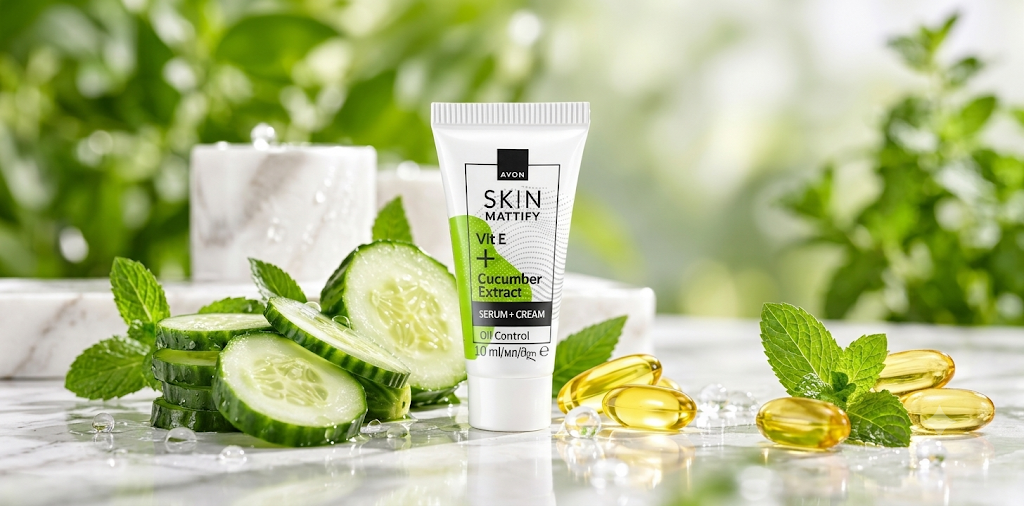
A face serum is a lightweight skincare product that contains concentrated ingredients for specific skin concerns. Compared with many traditional face creams, serums usually have a thinner texture and are meant to deliver chosen ingredients as part of your routine.
Depending on the formula, a serum may help improve hydration, support an even-looking complexion, soften the look of fine lines or manage excess oil.
For example, hyaluronic acid is commonly used in hydrating serums, while vitamin C is popular in products aimed at dullness and uneven skin tone.
Face serums come in water-based, gel-based and oil-based formulas. The right choice depends on your skin type, your preferences and the concern you want to address.
Why Is Face Serum Becoming Popular in Skincare?
One reason serums have become so popular is their targeted approach. Instead of relying on one general moisturiser for every concern, people can pick a formula that handles a particular need.
Here are some common benefits linked to different serum ingredients.
1. Helps Improve Skin Hydration
Dehydrated skin can feel tight, look dull and sometimes seem rough. Hydrating serums with hyaluronic acid, glycerin or panthenol help draw in and hold moisture.
These ingredients can leave skin feeling softer and more comfortable when used with a suitable moisturiser.
2. Supports Brighter-Looking Skin
Uneven skin tone and dullness can come from sun exposure, post-acne marks and other environmental factors.
Vitamin C is an antioxidant ingredient commonly used in skincare to improve the look of dull skin and uneven pigmentation. Regular sunscreen use is also important when dealing with these concerns.
3. Helps Manage Excess Oil
People with oily skin often notice a shiny forehead, nose and chin. Niacinamide is a popular ingredient that may help manage excess oil and support the skin barrier.
Lightweight serum formulas can also feel comfortable for people living in warm, humid climates.
4. Improves the Appearance of Fine Lines
As skin changes with age, fine lines and uneven texture may become more noticeable.
Ingredients such as retinol and peptides are commonly found in products aimed at visible signs of ageing. Retinol should be introduced gradually, because it may cause dryness or irritation.
5. Supports Smoother Skin Texture
Some face serums contain exfoliating ingredients that help clear dead skin cells from the surface.
Glycolic acid, lactic acid and salicylic acid are common examples. Their benefits depend on the formula and how often you use them.
Different Types of Face Serums You Should Know About
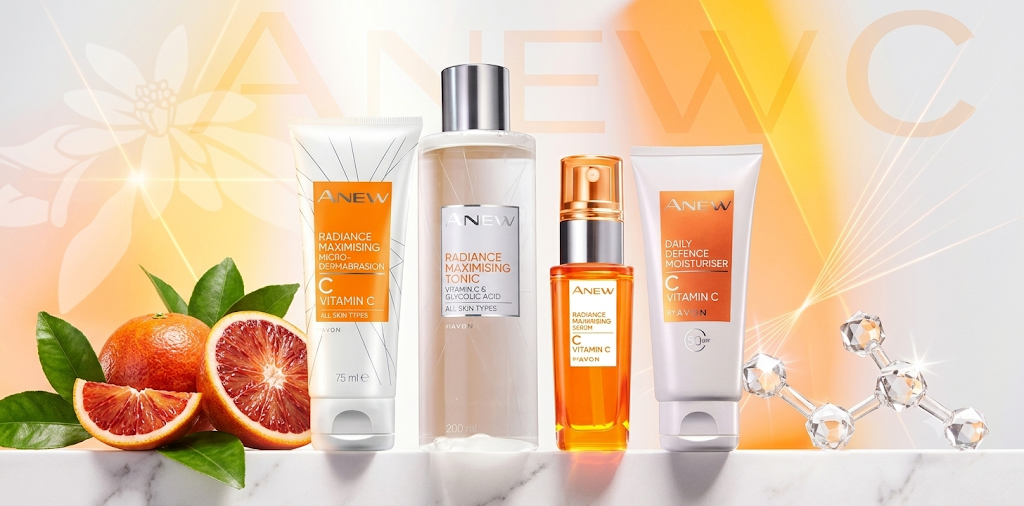
Not all face serums are made for the same purpose. Knowing their main ingredients can help you avoid products that don’t match your skincare needs.
Hydrating Face Serum
Hydrating serums are useful for people who deal with dryness, tightness or dehydration.
Common ingredients include:
Hyaluronic acid
Glycerin
Panthenol
Ceramides
These ingredients help hold moisture and support the skin barrier. Hydrating serums can suit different skin types, including oily skin that still needs moisture.
Vitamin C Face Serum
Vitamin C serum is widely used in morning routines because of its antioxidant properties.
It may help improve the look of dullness and uneven skin tone. Different vitamin C formulations exist, and their stability depends on the ingredient form, the packaging and the overall formula.
People with sensitive skin should introduce vitamin C gradually and choose a suitable formulation.
Niacinamide Face Serum
Niacinamide, also known as vitamin B3, is a versatile skincare ingredient.
It may help:
Support the natural skin barrier.
Improve the look of uneven skin tone.
Manage excess oil.
Reduce the look of enlarged pores.
It’s commonly used in products for oily, combination and blemish-prone skin.
Retinol Face Serum
Retinol is a vitamin A derivative used in skincare products aimed at fine lines, uneven texture and visible signs of ageing.
It works differently from hydrating ingredients and needs careful use. Beginners should start with a low-strength formula and use it gradually, following the product directions.
Retinol can cause peeling, redness and dryness. People who are pregnant or planning pregnancy should avoid retinoids unless their healthcare professional advises otherwise.
Salicylic Acid Face Serum
Salicylic acid is a beta hydroxy acid (BHA) commonly used in products for oily and acne-prone skin.
It helps exfoliate inside oil-prone pores and may improve the look of blackheads and clogged pores.
However, using too much can lead to dryness and irritation. Follow the product instructions and avoid combining several strong exfoliating ingredients without proper guidance.
How to Choose the Right Face Serum for Your Skin Type
Find Your Perfect Avon Face Serum
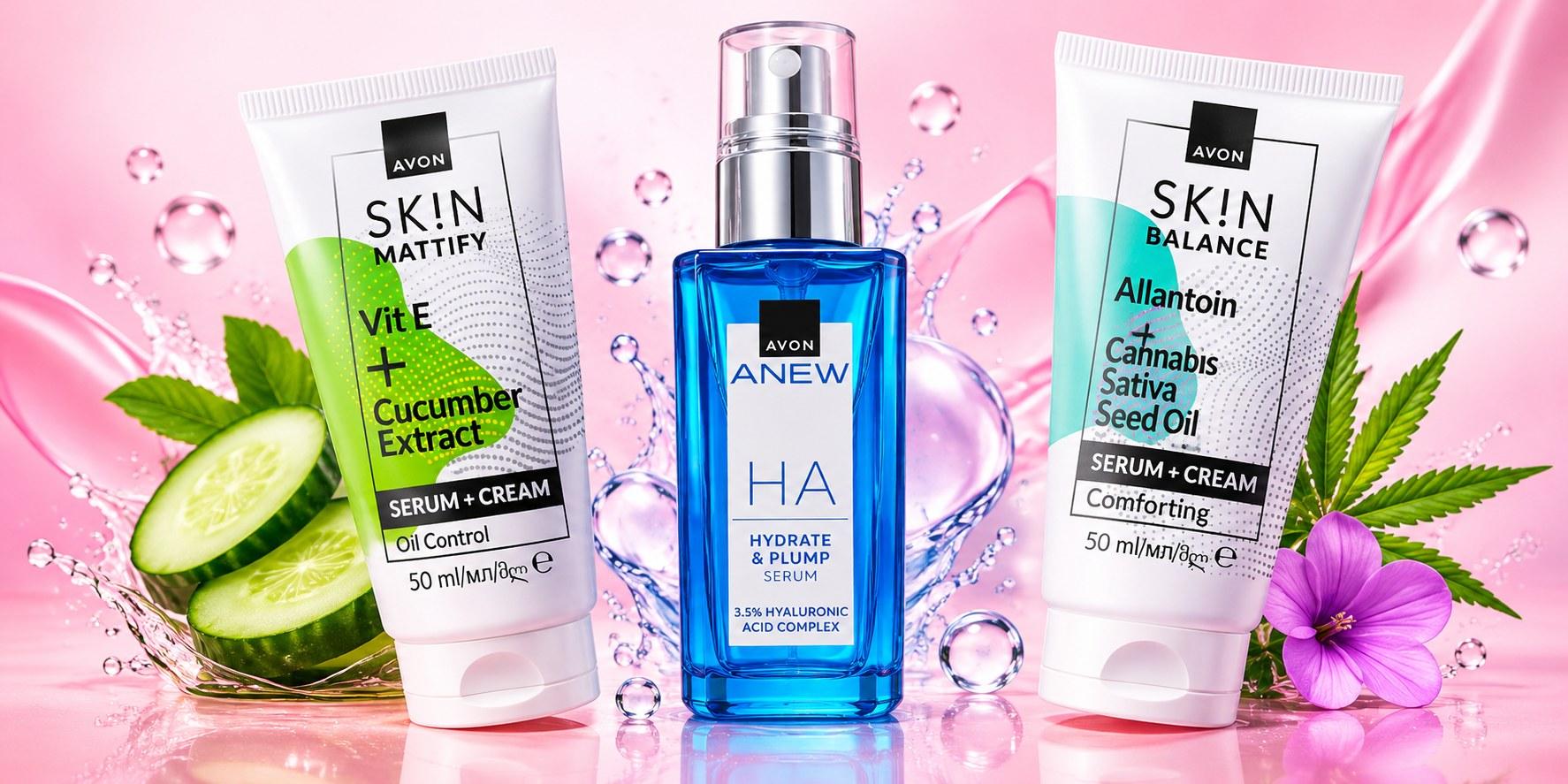
Explore Avon face serums according to your skin type. View real product images, discover skincare tips and explore products for your daily beauty routine.

Face Serum for Oily Skin
This Avon formula combines Vitamin E and Cucumber Extract. Its lightweight formula helps control excess oil and gives skin a fresh matte finish.

Face Serum for Dry Skin
This serum features a 3.5% Hyaluronic Acid Complex. It is designed to replenish moisture, improve hydration and leave skin looking plump and smooth.

Face Serum for Combination Skin
This formula contains Allantoin and Cannabis Sativa Seed Oil. It offers a combination of serum and cream care for a comfortable skincare routine.

Face Serum for Sensitive Skin
Avon describes this lightweight serum as suitable for all skin types. It contains Protinol technology and Niacinamide. Sensitive skin still needs extra care when introducing new skincare products.

Face Serum for Mature Skin
This Avon serum features 0.4% Beta Hydroxy Acid. It is designed for skin texture and tone concerns. Choose it according to your skin's tolerance.
Choosing a serum gets easier once you understand your skin type and its current condition.
Face Serum for Oily Skin
Oily skin often makes excess sebum, especially around the forehead, nose and chin.
Look for lightweight, non-comedogenic formulas. Niacinamide and suitable salicylic acid formulations may help, depending on your concerns.
Don’t skip moisturiser just because your skin is oily.
Face Serum for Dry Skin
Dry skin often feels tight, rough or flaky. Hydrating ingredients such as hyaluronic acid, glycerin and panthenol can help improve moisture levels.
Follow your serum with a suitable moisturiser to help keep hydration in.
Face Serum for Combination Skin
Combination skin usually has an oily T-zone and fairly dry cheeks.
Lightweight hydrating serums or niacinamide-based formulas can be practical options. You can adjust how much you apply to different areas depending on what each needs.
Face Serum for Sensitive Skin
Sensitive skin may react to fragrance, strong exfoliating ingredients or certain active formulas.
Choose a simple, gentle product and check its ingredient list. Patch testing before regular use is a helpful precaution.
Face Serum for Mature Skin
Mature skin may deal with dryness, reduced elasticity and more visible fine lines.
Hydrating ingredients, peptides and retinol-based products are commonly used for different concerns. The best option depends on your skin’s tolerance and your personal skincare goals.
How to Use Face Serum Correctly
Adding a serum doesn’t have to make skincare complicated. Following the right order keeps your daily routine organised.
Step 1: Clean Your Face
Wash your face with a gentle cleanser suited to your skin type. This removes built-up oil, sweat, dirt and other impurities.
Step 2: Apply a Small Amount of Serum
Follow the product instructions and use the recommended amount. Many serums need only a few drops.
Spread the product gently over your face with clean fingertips. Avoid the eye area unless the serum is made for it.
Step 3: Allow the Product to Settle
Give the serum a little time to sink in before you apply your next product.
There’s generally no need to wait several minutes between every step unless the product instructions say so.
Step 4: Apply Moisturiser
Use a moisturiser that suits your skin type. This helps maintain hydration and supports the skin barrier.
Step 5: Apply Sunscreen During the Day
Finish your morning routine with a broad-spectrum sunscreen with SPF 30 or higher.
Reapply roughly every two hours when you’re outdoors, and after swimming, sweating or towel drying.
Common Face Serum Mistakes to Avoid
Even a good skincare product may not give the results you expect if it’s used the wrong way.
Using Too Much Serum: Applying more product doesn’t guarantee better results. Stick to the recommended amount.
Mixing Too Many Active Ingredients: Combining retinol, exfoliating acids and other strong ingredients without knowing how they work together can increase irritation.
Skipping Moisturiser: A serum doesn’t always give enough moisture to replace a regular moisturiser.
Ignoring Sunscreen: Daily sun protection matters, especially when you use ingredients that may make skin more sensitive.
Changing Products Too Frequently: Skincare improvements often take time. Switching products every few days makes it hard to tell how your skin is responding.
Ignoring Patch Testing: Test a new product on a small area before using it regularly on your face.
Face Serum in the Beauty Industry: Understanding Brand Choices
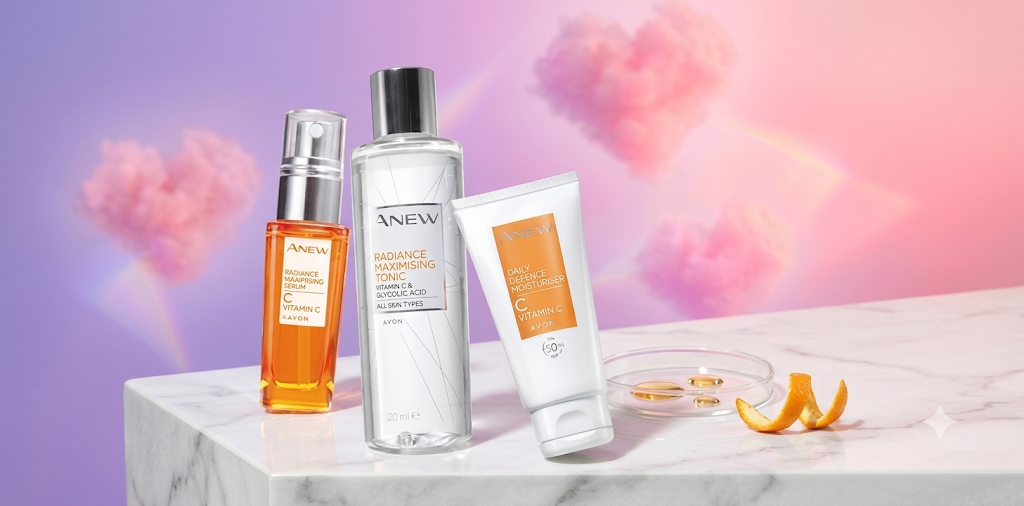
The beauty industry offers face serums in many price ranges, textures and formulas. From affordable everyday skincare to specialised treatments, there are plenty of options.
Avon is one example of a beauty brand with a dedicated face serum category. Its online collection shows how modern skincare brands group products around concerns such as hydration, skin texture and visible signs of ageing.
However, the brand name alone shouldn’t decide whether a serum is right for you. The ingredient list, formula, suitability, product directions and your own skin’s response matter far more.
When comparing products from Avon or other beauty companies, keep these points in mind:
Check the main active ingredients.
Understand the purpose of the formula.
Compare product quantity and price.
Read the usage instructions carefully.
Consider whether the product suits your skin type.
Don’t expect identical results for everyone.
A thoughtful comparison is more useful than choosing a product just because it’s advertised as popular or premium.
How Much Should You Spend on a Face Serum?
Face serums come at different prices, and expensive ones aren’t automatically more effective.
Before spending money, pinpoint your main skincare concern. If your skin mainly needs hydration, there’s probably no reason to buy several specialised treatments.
Compare the ingredients, concentration where it’s disclosed, packaging, quantity and suitability. Also think about how often you’ll need to use the product.
A simple serum that fits your skin and budget can be a better everyday choice than an expensive one you rarely use.
Final Thoughts
A face serum can be a useful addition to your skincare routine, but choosing the right one takes a bit of understanding. Different ingredients address different concerns, and no single formula works equally well for every skin type.
Start by understanding your skin, identify the concern you want to address and pick ingredients to match. Keep your routine simple, introduce new products gradually and give your skin time to respond.
Whether you’re comparing options from Avon or exploring other beauty brands, focus on the formula and not the name on the packaging.
Good skincare isn’t about collecting the most products. It’s about making sensible choices, protecting your skin and following habits that are comfortable enough to keep up every day.
A face serum is a lightweight skincare product with concentrated ingredients.
It helps hydrate skin, improve texture, and address specific skin concerns.
Niacinamide or salicylic acid serums may suit oily skin.
Yes, many face serums are suitable for daily use, depending on their ingredients.
Yes, apply moisturiser after serum to help lock in hydration.
Sources and notes
Links the author listed for this post.
Information in this article is based on general skincare knowledge and publicly available beauty and skincare resources. Product details and ingredients may vary by brand and formulation, so readers should check the latest product information before purchasing.
- 1

Discussion
0 comments
No comments yet
Discussion will appear here once it loads.