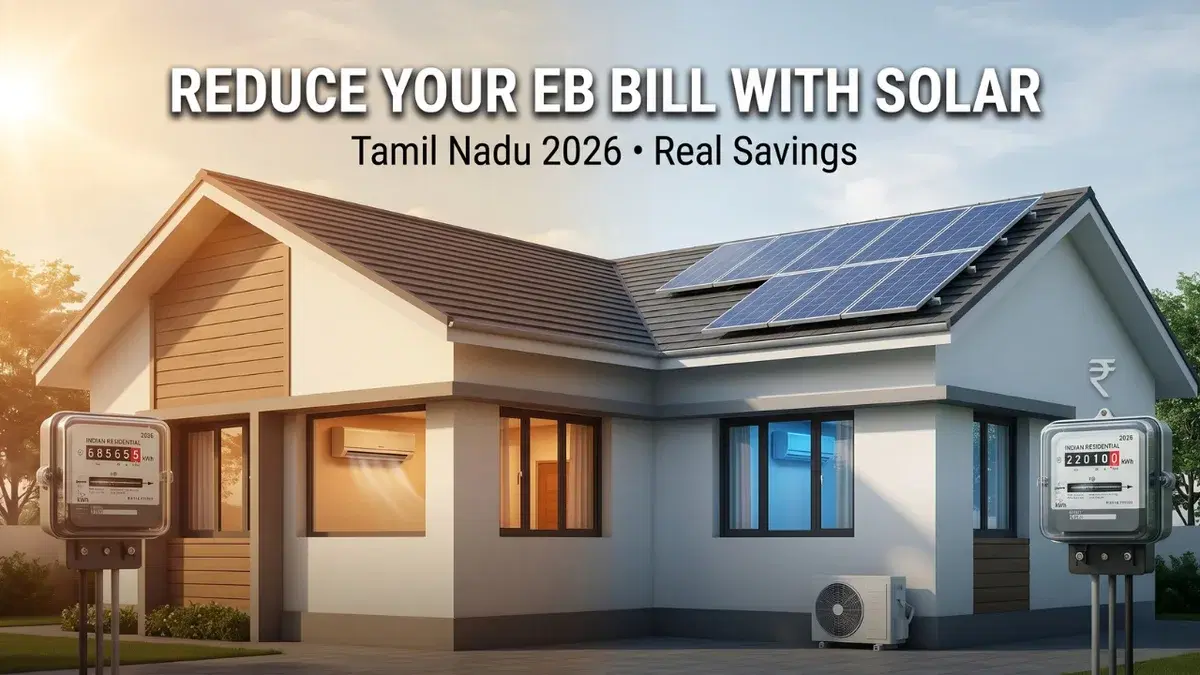
Electricity bills have become an important part of monthly household expenses. From running air conditioners and refrigerators to using washing machines, televisions and other everyday appliances, families depend on electricity throughout the day. As household energy consumption increases, managing monthly electricity costs can become challenging.
Solar energy offers a practical way to reduce this financial pressure. By installing solar panels on the rooftop, homeowners can generate electricity using sunlight instead of depending entirely on power supplied by the electricity grid.
Solar power can help households lower their electricity bills, reduce dependence on conventional energy sources and make better use of renewable energy. Although installing a solar system requires an initial investment, the savings over time can make it a worthwhile option for many homeowners.
Let's explore how solar energy works, how it reduces electricity expenses and what homeowners should consider before installing a rooftop solar system.
1. Generate Your Own Electricity at Home
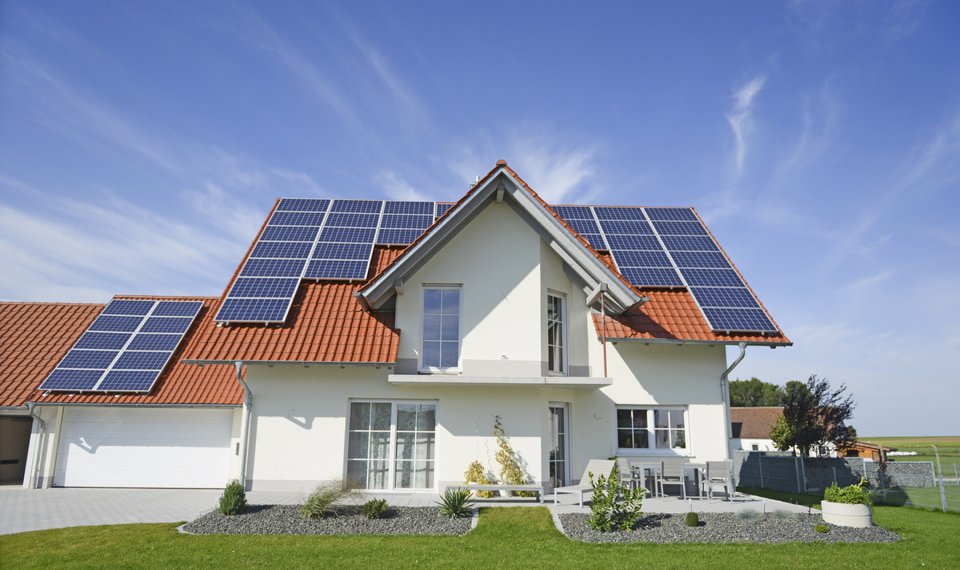
One of the biggest advantages of solar energy is the ability to produce electricity at home.
Solar panels contain photovoltaic (PV) cells that capture sunlight and convert it into electrical energy. This electricity can be used to operate household appliances such as fans, lights, refrigerators, televisions and other electrical equipment.
When your solar system generates enough electricity during the day, you may need to purchase less power from your local electricity provider.
For example, a household that uses solar-generated electricity for daytime activities can reduce its dependence on grid electricity. The amount saved depends on the system capacity, sunlight availability and daily energy consumption.
2. Reduce Monthly Electricity Bills
Solar energy can directly reduce the amount of electricity a household purchases from the grid.
Without solar panels, most homes depend entirely on their electricity provider. However, a properly sized rooftop solar system can supply a portion or, in suitable conditions, a large share of household electricity requirements.
For example, imagine a household that receives a monthly electricity bill of ₹3,000. After installing solar panels, it may use solar-generated electricity to meet part of its consumption.
If the household reduces its grid electricity purchases, the monthly bill may also decrease. However, the actual savings will depend on electricity tariffs, solar production, fixed charges and applicable billing rules.
Over several years, these monthly savings can help homeowners recover part of their initial installation expenses.
3. Take Advantage of Net Metering
Net metering is an important feature that can make rooftop solar systems more beneficial.
During sunny hours, solar panels may produce more electricity than a household needs. Depending on local regulations and the approved connection arrangement, excess electricity can be exported to the electricity grid.
A net meter records the electricity imported from and exported to the grid.
This arrangement allows eligible homeowners to receive an adjustment or credit for surplus electricity according to their electricity provider's applicable rules.
For example:
Solar panels generate more electricity during the afternoon.
Household appliances use some of that electricity.
Extra electricity may be sent to the grid.
At night, the household can draw electricity from the grid.
The billing adjustment is calculated according to the applicable net-metering policy.
Net-metering rules, compensation rates and eligibility conditions vary by state and electricity distribution company (DISCOM).
4. Lower Dependence on Rising Electricity Tariffs
Electricity prices can change over time because of fuel costs, infrastructure expenses, government policies and other factors.
When a household depends entirely on grid electricity, changes in electricity tariffs can affect its monthly budget.
Solar energy provides an opportunity to generate a portion of the electricity required at home. Once the solar system is installed, sunlight itself does not come with a per-unit electricity charge.
This can help homeowners manage long-term energy expenses and reduce exposure to changes in grid electricity prices.
However, solar installations still involve maintenance, equipment replacement and other possible expenses that should be considered when calculating long-term savings.
5. Choose the Right Solar System Capacity
Choosing the correct solar system capacity is essential for getting good value from a rooftop installation.
A system that is too small may not generate enough electricity to meet household requirements. On the other hand, an unnecessarily large system may increase installation costs without providing proportional financial benefits.
Before selecting a system, consider:
Things to Consider Before Choosing a Solar System
Choosing the right solar system starts with understanding your home's electricity requirements. Consider these important factors before installation.
1. Monthly Electricity Consumption
Check your recent electricity bills to understand your average usage and determine how much solar power your household needs.
2. Available Rooftop Space
Make sure there is sufficient rooftop space for installing solar panels without unnecessary obstructions.
3. Sunlight Exposure
Check whether nearby buildings, trees or other structures create shadows that could reduce solar panel performance.
4. Appliance Usage
Consider how much electricity air conditioners, refrigerators, water pumps and other household appliances consume.
5. Future Requirements
Account for possible increases in electricity consumption if you plan to purchase new appliances or expand your home.
A qualified solar installer can assess your rooftop, electricity usage and sunlight conditions to recommend a suitable solar system capacity.
6. Save More by Using Electricity During Daytime
Solar panels generally generate the most electricity during daylight hours, especially when sunlight is strong.
Households can make better use of solar power by adjusting certain activities to match solar generation periods.
For example:
Run washing machines during sunny hours.
Use water pumps when solar production is high.
Charge laptops and other electronic devices during the day.
Operate suitable household appliances when solar electricity is available.
Schedule other flexible electricity-consuming activities during daylight.
Using solar electricity directly can reduce the amount of power purchased from the grid. This approach can be particularly useful for households without battery storage.
7. Consider Solar Batteries for Night-Time Usage
Solar panels generate electricity during daylight hours, but households also need electricity after sunset.
A solar battery can store some of the excess electricity generated during the day for later use.
This stored energy can help operate selected appliances at night or provide backup power during certain outages, depending on the battery and system configuration.
However, batteries increase the overall installation cost and may require replacement after several years.
Homeowners should compare battery costs, storage capacity, backup requirements and expected savings before deciding whether battery storage is necessary.
8. Explore Government Subsidies and Financial Support
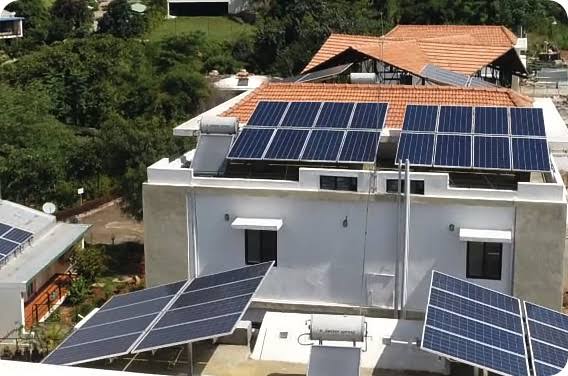
Government initiatives can make residential solar installations more affordable.
In India, the PM Surya Ghar: Muft Bijli Yojana is an important rooftop solar initiative designed to encourage households to adopt solar energy.
Eligible residential consumers may receive financial assistance for installing approved rooftop solar systems, subject to the scheme's current guidelines and conditions.
Before applying, homeowners should:
Check the latest subsidy eligibility requirements.
Use the official government portal for scheme information.
Select an eligible registered vendor where required.
Confirm installation and inspection requirements.
Review the subsidy application and payment process.
It is important to remember that subsidy amounts, eligibility rules and implementation conditions can change. Always check the latest official information before making an installation decision.
9. Reduce Your Household's Carbon Footprint
Solar energy offers benefits beyond reducing electricity expenses.
Traditional electricity generation may involve fossil fuels such as coal and natural gas, which contribute to greenhouse gas emissions.
By generating electricity from sunlight, households can reduce their reliance on grid electricity and potentially lower the emissions associated with their energy consumption.
Solar panels also use a renewable energy source that is naturally available.
For families interested in making their homes more environmentally responsible, rooftop solar can be a useful step towards cleaner energy consumption.
10. Understand the Initial Installation Cost
Although solar energy can reduce electricity expenses over time, installing a rooftop system requires an upfront investment.
The total cost depends on several factors, including:
Solar panel quality and capacity.
Inverter type and specifications.
Mounting structure and installation work.
Battery storage requirements.
Wiring and electrical safety equipment.
Labour and maintenance arrangements.
Homeowners should collect quotations from multiple qualified installers and compare the equipment specifications, warranties and total installation costs.
Instead of choosing a system based only on its lowest price, consider its expected performance, product quality and long-term service support.
11. Maintain Solar Panels for Better Performance
Regular maintenance helps solar panels continue generating electricity efficiently.
Dust, bird droppings, leaves and other dirt can accumulate on the panel surface and reduce sunlight exposure. Cleaning the panels when necessary can help maintain their performance.
Here are a few useful maintenance practices:
Simple Solar Panel Maintenance Tips
Regular care can help maintain solar panel performance and support reliable electricity generation over the years. Here are some useful maintenance practices homeowners should follow.
Clean Panels Regularly
Remove dust and dirt using suitable cleaning methods to keep the panel surface clear and allow sunlight to reach the solar cells.
Inspect Electrical Connections
Check wiring, inverters and other system components periodically to identify possible damage or connection issues.
Monitor Energy Production
Review your solar system's performance through its monitoring application, if available, and look for unexpected drops in electricity generation.
Check for Shading
Make sure growing trees, nearby buildings or newly constructed structures do not block sunlight from reaching your panels.
Schedule Professional Inspections
Follow the manufacturer's maintenance recommendations and arrange professional inspections when required.
12. Understand the Limitations Before Installing Solar Panels
Solar energy has several advantages, but homeowners should also understand its limitations before making a decision.
Weather Conditions: Solar panels generate less electricity during cloudy or rainy weather compared with bright, sunny conditions.
Initial Investment: Installing a rooftop solar system requires an upfront payment, although eligible subsidies and financing options may reduce the financial burden.
Roof Space: Not every home has enough suitable rooftop space for installing the required number of panels.
Night-Time Electricity: Solar panels do not generate electricity after sunset. Battery storage or grid electricity may be required.
Maintenance and Repairs: Inverters, batteries and other system components may require maintenance or replacement over time.
Understanding these factors can help families select a solar system that matches their electricity requirements and budget.
How Much Can a Household Save With Solar Energy?
The savings from solar energy depend on the amount of electricity generated and consumed by a household.
Consider this simple hypothetical example:
Description | Monthly amount |
|---|---|
Electricity bill before solar | ₹3,000 |
Electricity bill after solar | ₹900 |
Estimated monthly savings | ₹2,100 |
Estimated annual savings | ₹25,200 |
Note: These figures are illustrative only, not a guaranteed savings estimate. Actual bills depend on solar generation, self-consumption, fixed charges, grid usage and local billing regulations.
A household that consistently uses solar-generated electricity may achieve meaningful savings over time. To estimate the actual financial benefit, homeowners should compare their electricity consumption with the expected output of the proposed solar system.
Practical Tips to Maximise Solar Energy Savings
A few smart decisions can help households get more value from their rooftop solar installation.
Choose a solar system based on actual electricity consumption rather than selecting an unnecessarily large capacity.
Keep solar panels clean and free from unnecessary shading.
Use high-energy appliances during peak solar generation hours whenever practical.
Compare different installer quotations before purchasing equipment.
Check available government subsidies and local net-metering policies.
Monitor monthly solar electricity generation.
Consider battery storage only when it makes financial and practical sense.
These steps can help improve solar energy utilisation and support better household electricity management.
Conclusion
Solar energy is becoming a practical option for households looking to manage their electricity expenses and adopt cleaner energy sources. By generating electricity through rooftop solar panels, families can reduce their dependence on grid power and potentially achieve considerable savings on monthly electricity bills.
Choosing the right system capacity, understanding net-metering arrangements, using electricity during daylight hours and maintaining the equipment can make a significant difference to overall performance.
Although the initial installation cost requires careful planning, solar energy can offer long-term financial and environmental benefits. For homeowners with suitable rooftops and regular electricity consumption, investing in solar power may be a sensible step towards a more energy-efficient home.
FAQ'S
Solar panels can significantly reduce electricity bills, but eliminating them completely is not guaranteed. Fixed charges, grid electricity usage and local billing rules may still result in a monthly payment.
The number depends on household electricity consumption, panel capacity, rooftop space and available sunlight. A professional solar installer can calculate the appropriate system size.
Yes, solar panels can generate electricity during cloudy and rainy weather, but their output is generally lower because less sunlight reaches the panels.
Rooftop solar can be a worthwhile investment for many Indian households, particularly those with suitable rooftop space and regular electricity consumption. The financial benefits depend on installation costs, local tariffs, sunlight and applicable subsidies.
Yes. A properly designed solar system can power an air conditioner. However, the system must have sufficient capacity to handle the air conditioner's electricity requirements and other household loads.
Sources and notes
Links the author listed for this post.
Information is based on general renewable energy principles and residential solar practices. For Indian subsidy details, eligibility and installation guidelines, refer to the official PM Surya Ghar portal and your local electricity distribution company.


Discussion
0 comments
No comments yet
Discussion will appear here once it loads.