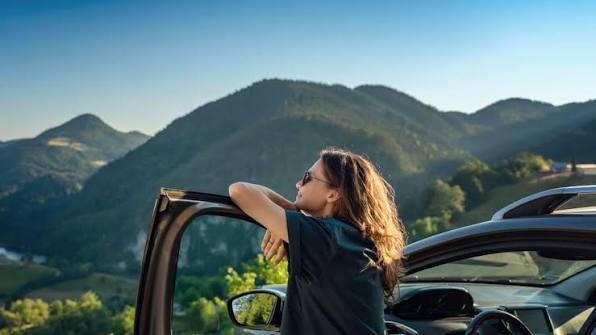
Travel habits are changing around the world as people look for more meaningful, flexible, and personalised holiday experiences. In 2026, travelling is no longer just about visiting famous landmarks or spending a few days at popular tourist destinations. Many travellers now want to explore local cultures, enjoy nature, discover lesser-known places, and create experiences that match their interests and lifestyles.
Technology, changing work patterns, environmental awareness, and evolving spending priorities are influencing how people plan their holidays. Some travellers are choosing shorter but more frequent trips, while others are planning longer journeys that combine work and leisure. Families, solo travellers, couples, and groups of friends are also exploring different ways to make their holidays more comfortable and memorable.
holidays with AltFTool, offring free online tools, calculators, and digital resources for easier travel planning and everyday needs.
These changes are shaping the global tourism industry. Airlines, hotels, travel companies, and local businesses are adapting their services to meet new expectations. From sustainable tourism and wellness retreats to digital travel planning and off-season holidays, several important trends are influencing travel decisions in 2026.
This guide explores the major global travel trends of 2026 and explains how holiday habits are changing across different parts of the world.
The Rise of Experience-Based Travel

One of the most noticeable changes in modern travel is the growing interest in experiences rather than simply visiting destinations. Many holidaymakers want to participate in activities that help them understand a place, its people, and its culture.
Instead of spending an entire holiday visiting crowded attractions, travellers may prefer cooking traditional dishes, attending local festivals, exploring historic neighbourhoods, or learning regional crafts. These activities allow visitors to experience destinations beyond their most popular tourist locations.
Adventure activities are also attracting attention. Hiking, cycling, kayaking, wildlife observation, and cultural walking tours offer opportunities to explore destinations in more active ways.
Experience-based travel is becoming popular among different age groups. Younger travellers may look for unique activities and social experiences, while families often prefer interactive attractions that everyone can enjoy.
Sustainable and Responsible Tourism
Environmental awareness is influencing holiday decisions in 2026. More travellers are considering how their journeys affect the environment, local communities, and natural resources.
Sustainable tourism focuses on reducing negative environmental impacts while supporting the places people visit. This can include choosing accommodation with responsible resource-management practices, supporting local businesses, reducing unnecessary waste, and respecting wildlife.
Some holidaymakers are also considering alternative transport options for shorter journeys, where practical. Train travel, shared transport, walking, and cycling can help reduce the environmental impact of certain trips.
Responsible tourism also involves understanding local customs and respecting cultural traditions. Travellers can contribute positively by purchasing locally made products, eating at independent restaurants, and choosing community-led experiences.
Sustainable Travel Choice | What It Involves | Potential Benefit | Example |
|---|---|---|---|
Local accommodation | Staying in locally owned properties | Supports regional businesses | Family-run guesthouses |
Public transport | Using buses and trains | Reduces reliance on private vehicles | City rail networks |
Responsible shopping | Buying locally produced goods | Supports local communities | Handmade crafts |
Nature protection | Following conservation guidelines | Helps protect natural areas | Guided wildlife tours |
Waste reduction | Avoiding unnecessary disposable items | Reduces travel-related waste | Reusable water bottles |
Sustainable travel does not mean giving up comfort or enjoyment. It encourages people to make thoughtful decisions while discovering new places.
The Growing Popularity of Slow Travel
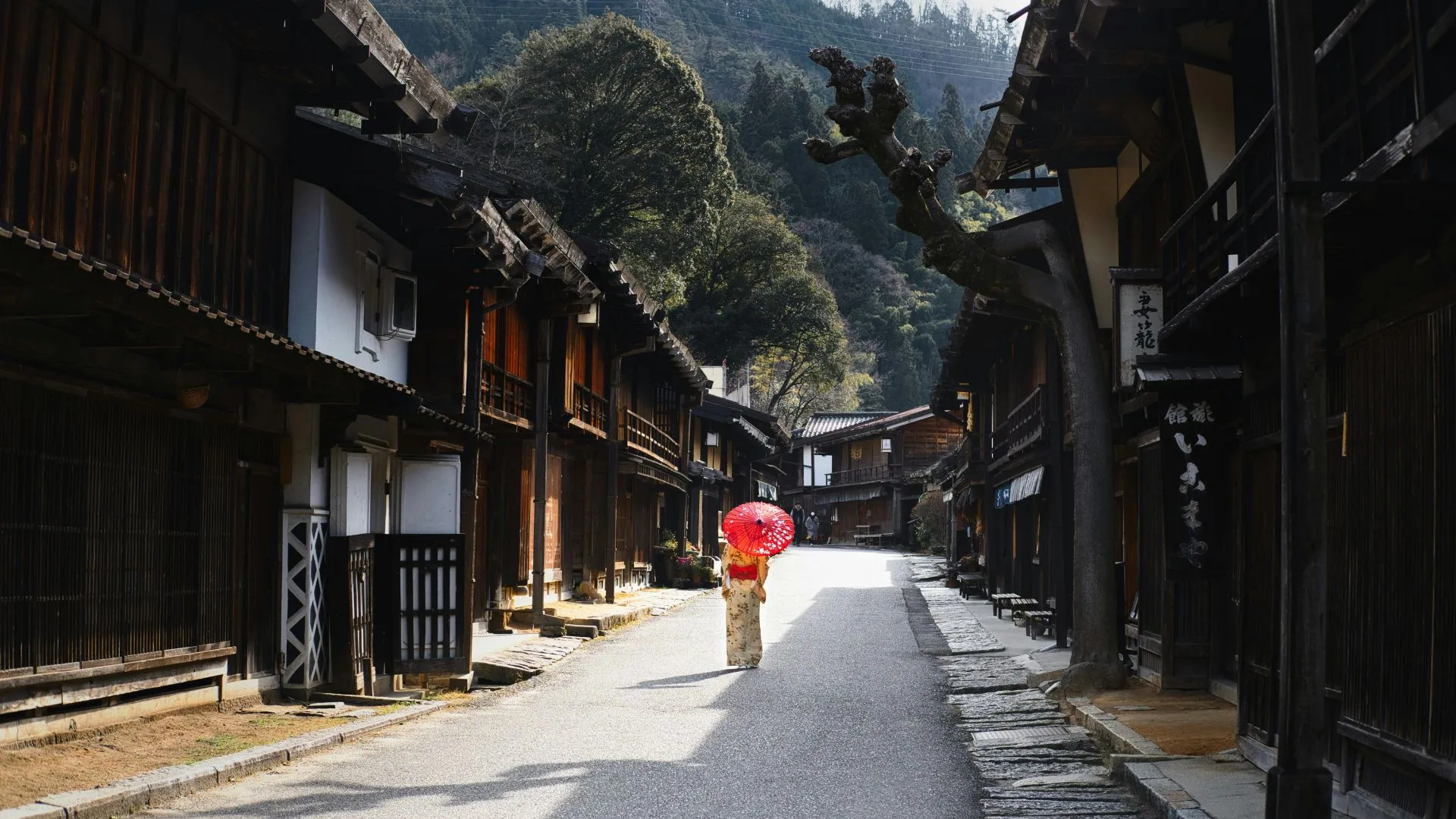
Slow travel is becoming an appealing alternative to rushed holiday schedules. Rather than visiting several destinations within a few days, travellers are increasingly interested in spending more time in one location.
This approach allows visitors to understand local lifestyles, explore neighbourhoods, enjoy regional food, and build a deeper connection with the destination.
For example, instead of visiting five cities during a short European holiday, a traveller might spend an entire week exploring one city and its surrounding countryside. This can create a more relaxed experience and reduce the pressure of constant transportation.
Slow travel can also be helpful for people who want to avoid crowded tourist attractions. Spending more time in a destination may allow visitors to explore quieter areas and travel outside peak sightseeing hours.
Another advantage is flexibility. Travellers can change their daily plans according to weather, personal interests, or local recommendations rather than following a tightly scheduled itinerary.
AI and Digital Tools Are Changing Travel Planning

Technology is playing an increasingly important role in how people organise holidays. Travellers can use digital tools to compare accommodation, research destinations, manage bookings, understand transport options, and organise daily activities.
Artificial intelligence is also influencing travel planning. AI-powered tools can help users explore destination ideas, prepare suggested itineraries, compare travel options, and find activities based on their preferences.
Mobile applications have made it easier to manage different parts of a journey from one device. Digital boarding passes, online check-ins, electronic tickets, navigation applications, and translation tools can make travelling more convenient.
However, technology does not remove the need for careful planning. Travellers should verify important details such as visa requirements, booking conditions, transport schedules, and local regulations before departure.
Digital Travel Tool | Main Purpose | How It Helps Travellers | Common Use |
|---|---|---|---|
AI travel assistants | Suggesting travel ideas | Helps organise personalised plans | Creating itineraries |
Navigation apps | Providing directions | Makes unfamiliar areas easier to explore | Finding local attractions |
Translation tools | Supporting communication | Helps travellers understand languages | Reading menus |
Booking platforms | Managing reservations | Allows comparison of available options | Hotels and flights |
Digital wallets | Managing payments | Reduces the need to carry cash | Contactless transactions |
Technology is making travel planning more accessible, but travellers still benefit from checking information through reliable sources and keeping important documents available offline.
Workations and Longer Holiday Stays
The growth of remote and flexible working arrangements has influenced how some people travel. A workation combines professional responsibilities with a holiday environment, allowing individuals to work remotely while staying in another destination.
Instead of taking a traditional one-week holiday, some professionals choose to spend several weeks in a different city or country. They may work during regular hours and explore the destination during evenings or weekends.
This trend is particularly relevant for people whose jobs allow them to work outside a fixed office location. Coastal towns, peaceful countryside destinations, and cities with reliable internet access can be attractive options.
However, workations require planning. Travellers need to consider internet reliability, time-zone differences, accommodation facilities, visa conditions, and employer policies.
Longer stays can also influence accommodation preferences. Apartments, serviced residences, and rental properties may offer practical facilities such as kitchens, laundry areas, and dedicated workspaces.
Wellness and Health-Focused Holidays
Wellness travel is gaining attention as people look for holidays that support relaxation, physical activity, and personal well-being.
Rather than focusing only on sightseeing and entertainment, wellness-focused holidays may include yoga sessions, meditation, spa treatments, fitness activities, nature walks, and healthy food experiences.
Some travellers choose peaceful mountain retreats, while others prefer beach destinations or countryside accommodation. The main attraction is often the opportunity to take a break from everyday routines.
Wellness travel can also include active experiences. Hiking, swimming, cycling, and outdoor fitness activities allow holidaymakers to combine exploration with physical activity.
Wellness Holiday Type | Popular Activities | Suitable Setting | Main Attraction |
|---|---|---|---|
Yoga retreat | Yoga and meditation | Quiet resorts | Relaxation and mindfulness |
Nature escape | Hiking and walking | Mountains and forests | Outdoor connection |
Spa holiday | Massage and spa treatments | Wellness resorts | Rest and comfort |
Fitness retreat | Exercise and healthy meals | Dedicated fitness centres | Active routines |
Beach wellness stay | Swimming and relaxation | Coastal destinations | Peaceful surroundings |
Wellness holidays are not limited to luxury resorts. Travellers can also create relaxing experiences through affordable accommodation, nature activities, and simple breaks away from busy environments.
Solo Travel Continues to Evolve

Solo travel is becoming a popular option for people who want greater independence and flexibility during their holidays. Travelling alone allows individuals to choose their own destinations, activities, schedules, and budgets.
Some solo travellers enjoy visiting museums, exploring local markets, and discovering historic neighbourhoods at their own pace. Others prefer adventure activities, cultural tours, or organised group experiences where they can meet new people.
Digital technology has also made certain aspects of solo travel easier. Navigation tools, online booking services, translation applications, and travel communities can help individuals prepare for unfamiliar destinations.
Safety remains an important consideration. Solo travellers should research neighbourhoods, understand local transport options, share their itinerary with someone they trust, and keep emergency contact information accessible.
Accommodation choices may also differ for solo visitors. Hostels, guesthouses, boutique hotels, and organised travel experiences can provide opportunities to connect with other travellers.
Family Holidays Are Becoming More Flexible
Family travel is changing as households look for holidays that suit different ages, interests, and schedules. Parents often want destinations that offer entertainment for children while also providing opportunities for adults to relax.
Family holidays may include theme parks, beaches, nature resorts, cultural attractions, and educational experiences. Some families prefer destinations where children can learn about wildlife, history, science, or local traditions.
Flexible accommodation is also important. Hotels with family rooms, holiday apartments, and resorts with child-friendly facilities can make trips more convenient.
Budget planning plays a major role in family travel decisions. Parents often compare transport costs, accommodation options, meal arrangements, attraction tickets, and additional charges before choosing a destination.
Another noticeable preference is flexibility in travel schedules. Families may choose school-holiday periods for longer journeys but consider shorter breaks during other parts of the year.
Off-Season and Lesser-Known Destinations
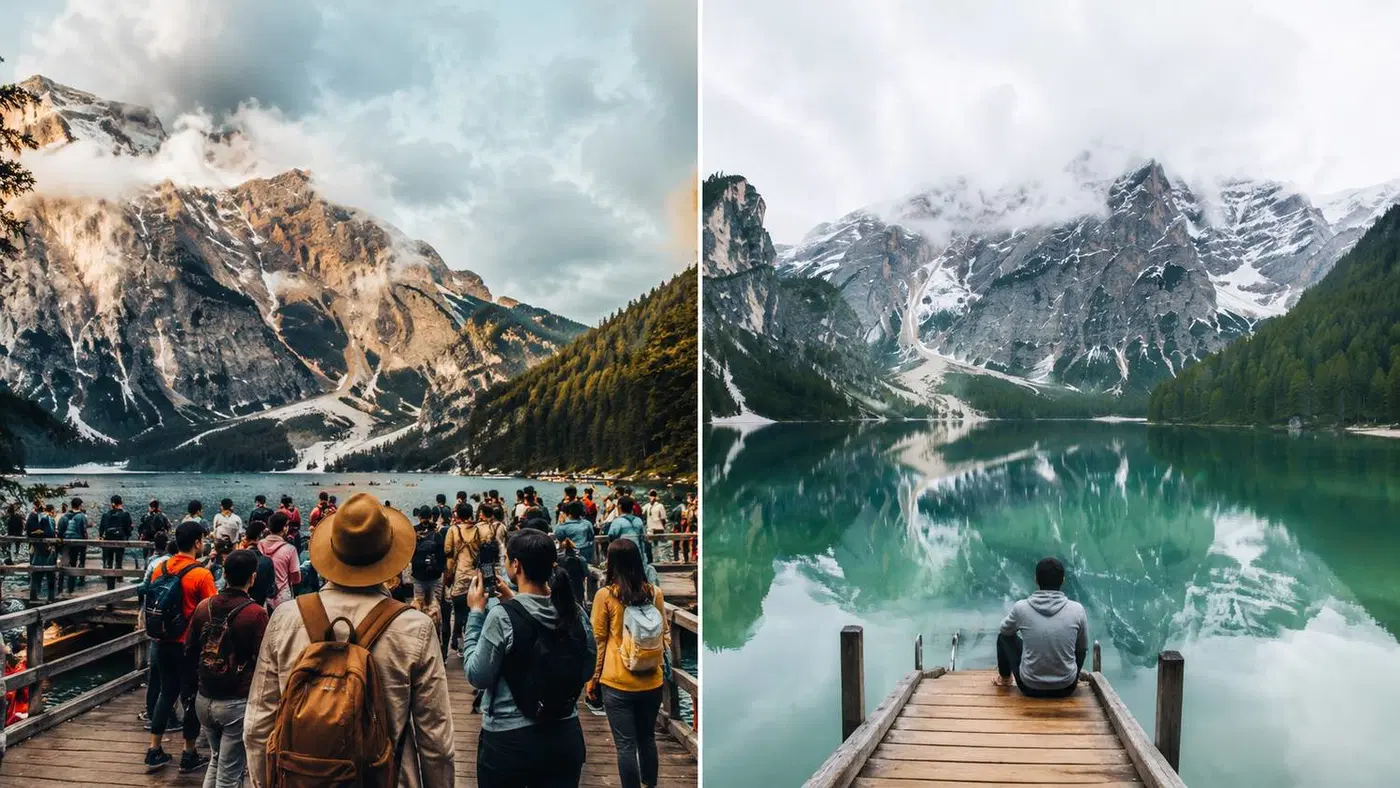
Travellers are increasingly considering destinations outside traditional peak holiday periods. Off-season travel can provide a different experience, with potentially fewer crowds and greater opportunities to explore local areas.
For example, visiting a popular coastal destination outside its busiest summer period may offer a quieter atmosphere. Similarly, exploring a historic city during a less crowded month can make museums, restaurants, and public spaces more comfortable to enjoy.
Lesser-known destinations are also attracting interest. Instead of choosing only internationally famous tourist locations, some holidaymakers are exploring smaller towns, rural communities, and emerging travel regions.
However, off-season travel requires research. Weather conditions, seasonal closures, reduced transport services, and limited activity availability can affect the experience.
Travel Style | Typical Timing | Main Advantage | Important Consideration |
|---|---|---|---|
Peak-season holiday | Busy holiday months | More seasonal activities | Crowds and higher demand |
Shoulder-season trip | Between peak and off-season | Balance of weather and demand | Some seasonal changes |
Off-season travel | Quieter travel periods | Potentially fewer visitors | Weather and closures |
Emerging destinations | Varies by location | New cultural experiences | Local infrastructure |
Rural travel | Throughout the year | Peaceful surroundings | Transport availability |
Exploring less crowded places can create rewarding experiences, but travellers should respect local communities and avoid putting pressure on destinations with limited resources.
Food Tourism and Local Culinary Experiences
Food has become an important part of the travel experience. Many visitors want to discover destinations through traditional dishes, local ingredients, food markets, and regional cooking methods.
Food tourism can include street-food tours, cooking classes, vineyard visits, traditional restaurants, and visits to local farms. These activities offer insight into the culture and history of a destination.
For some travellers, food is even a major reason for selecting a holiday location. They may choose destinations known for regional specialities, traditional food festivals, or distinctive culinary traditions.
Local food experiences can also support small businesses. Eating at independent restaurants and purchasing products from local markets can help travellers contribute to the regional economy.
At the same time, visitors should consider dietary requirements, food hygiene, allergies, and local eating customs when trying unfamiliar dishes.
Adventure and Nature-Based Holidays
Nature and adventure tourism continue to attract travellers who want active experiences and outdoor exploration. Mountains, forests, beaches, rivers, and national parks provide opportunities for activities that differ from everyday routines.
Popular experiences include trekking, camping, cycling, wildlife watching, kayaking, and guided nature walks. These activities can appeal to both beginners and experienced adventure travellers.
Nature-based holidays also encourage people to spend more time outdoors. Some visitors prefer peaceful countryside stays, while others look for physically challenging activities.
Responsible planning is essential. Travellers should understand the difficulty level of an activity, check weather conditions, use appropriate equipment, and follow local safety guidance.
Wildlife experiences should also be selected carefully. Responsible operators avoid disturbing animals and follow conservation rules.
Budget-Conscious Travel and Smarter Spending
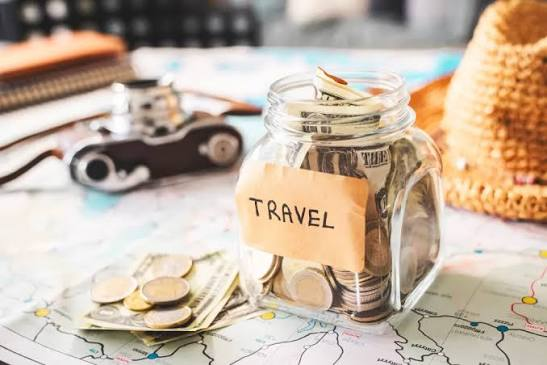
Although travel remains an important priority for many people, holidaymakers are paying closer attention to costs. Rising prices, accommodation expenses, transport charges, and everyday spending can influence destination choices.
Budget-conscious travellers are comparing more options before booking. They may adjust travel dates, select alternative accommodation, use public transport, or choose destinations that offer better overall value.
Some travellers also create separate budgets for transportation, food, accommodation, activities, and shopping. This helps them understand how much they can comfortably spend during a holiday.
Budget travel does not necessarily mean choosing the cheapest available option. It involves balancing price, convenience, safety, and quality.
Booking flexibility is another important factor. Travellers should check cancellation rules, baggage allowances, additional fees, and payment conditions before confirming reservations.
How Travel Preferences Differ Across Generations
Different generations often approach holidays with different expectations. These preferences are not universal, but they can help explain the variety of experiences influencing the travel industry.
Younger travellers may be attracted to flexible itineraries, adventure activities, social experiences, and digital planning tools. Families may prioritise convenience, accommodation facilities, and activities suitable for different ages.
Older travellers may place greater emphasis on comfort, cultural experiences, accessible transport, and carefully organised journeys. However, people of every age group can enjoy a combination of relaxation, exploration, and adventure.
Traveller Group | Common Travel Interest | Preferred Experience | Planning Priority |
|---|---|---|---|
Young adults | Adventure and culture | Flexible trips and social activities | Budget and convenience |
Couples | Relaxation and exploration | Romantic stays and local experiences | Comfort and privacy |
Families | Shared activities | Family-friendly attractions | Safety and facilities |
Working professionals | Flexible holidays | Workations and short breaks | Internet and scheduling |
Older travellers | Culture and comfort | Guided tours and relaxed journeys | Accessibility and convenience |
Travel preferences are influenced by personal interests, income, available time, and lifestyle rather than age alone.
The Future of Holiday Travel
The global travel industry is likely to continue adapting as consumer expectations, technology, and environmental priorities evolve.
Personalisation may become more important as travellers expect recommendations that reflect their interests, budgets, and schedules. Digital services may also make booking, airport procedures, and destination navigation more convenient.
At the same time, destinations may place greater attention on managing visitor numbers, protecting natural resources, and supporting local communities.
Travel companies will need to balance convenience with responsible tourism practices. Accommodation providers, airlines, and tour operators may increasingly focus on flexible services, transparent pricing, and experiences that respond to changing customer expectations.
Travellers will also continue to make choices based on individual priorities. Some will seek luxury and comfort, while others will prefer affordable adventures, cultural discovery, or peaceful nature escapes.
The future of travel will not be defined by one particular holiday style. Instead, it will reflect a wider range of experiences that allow people to travel according to their interests and circumstances.
How to use this guide
Start with the outcome. Decide what you need from global travel trends 2026: changing holiday habits.
Check the important details. Review the examples, warnings, and linked resources.
Take action. Apply the best option and save the result for later use.
FAQ's
Slow travel involves spending more time in one destination instead of visiting multiple places within a short period. It allows travellers to explore local culture, food, and lifestyles at a relaxed pace.
AI tools help travellers discover destinations, create personalised itineraries, compare travel options, and organise holiday activities according to their interests and budgets.
Sustainable tourism is gaining popularity because travellers are becoming more conscious of environmental protection, local communities, wildlife conservation, and responsible travel choices.
AI tools help travellers discover destinations, create personalised itineraries, compare travel options, and organise holiday activities according to their interests and budgets.
Travellers can manage holiday expenses by comparing accommodation, choosing flexible travel dates, considering off-season destinations, using public transport, and planning their budgets in advance.
Sources and notes
Links the author listed for this post.
This article is based on publicly available travel industry insights and changing global holiday preferences. AltFTool offers free online tools and digital resources that can help travellers with everyday planning tasks, calculations, conversions, and other useful activities.
More on AltFTool
- AltFTool (opens in a new tab)
altftool.com


Discussion
0 comments