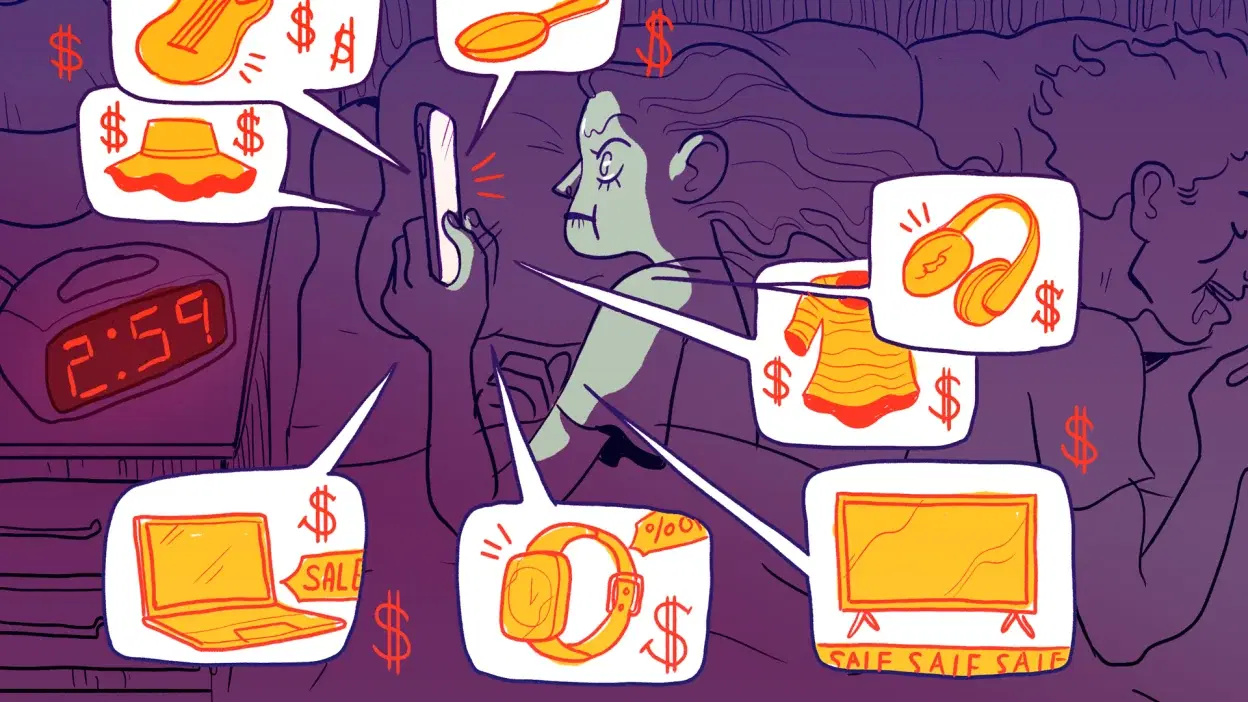
Every November, right as the holiday season kicks into high gear, two massive shopping events take over our screens, inboxes, and local malls: Black Friday and Cyber Monday. Whether you have had your eye on a new laptop, a winter coat, a skincare restock, or a smart TV for the living room, these two days promise some of the biggest price drops of the year.
Still, almost everyone hits the same wall of hesitation once the banners start flashing: Should I buy what I want on Black Friday, or hold out until Cyber Monday for an even better deal?
It is a fair question, and the honest answer is that there is no single rule that fits every item in your cart. Years ago, the line between the two sales was easy to draw. Today, retailers stretch promotions across an entire week—or even the whole month of November—blurring the boundaries and making it harder to tell when a price has truly hit rock bottom.
In 2026, Black Friday lands on November 27, and Cyber Monday follows three days later on November 30. If you want to walk away with genuine savings rather than a pile of impulse buys you regret in December, knowing how each event works makes all the difference.
Let’s break down what separates Black Friday from Cyber Monday, look at which categories perform best on each day, and share a few practical habits that will help you shop smarter this season.
What Is Black Friday?

Black Friday takes place on the Friday immediately after Thanksgiving in the United States and has long been treated as the official starting gun for holiday shopping.
Historically, Black Friday was all about brick-and-mortar chaos. Shoppers lined up outside department stores before sunrise, hoping to grab "doorbuster" deals—heavily discounted items available in tiny quantities to pull crowds through the front doors. If you wanted a cheap television or a popular kids' toy, you had to show up early and move fast.
While physical stores still run major promotions, Black Friday has evolved into a massive digital event too. Almost every major brand and online marketplace launches its Black Friday sale online—often starting on Thanksgiving evening or even earlier in the week.
Today, Black Friday is best known for steep markdowns on big-ticket items like televisions, smartphones, gaming consoles, kitchen appliances, furniture, and winter clothing. Retailers also lean heavily on flash sales, bundled accessories, and limited-stock promos to create urgency.
A quick reality check before you start browsing: Black Friday is engineered to make you feel like you are running out of time. Countdown timers and "Only 2 left in stock!" badges are everywhere. The easiest way to protect your wallet is to write down exactly what you need before the sale starts. If an item was not on your radar a week ago, a 40% discount does not suddenly make it a necessity.
What Is Cyber Monday?
Cyber Monday arrives on the Monday right after the Thanksgiving weekend. Retailers originally coined the term in 2005 after noticing a spike in online shopping when people returned to work—and their fast office internet connections—after a long weekend of family gatherings.
Unlike Black Friday, which grew out of physical retail, Cyber Monday was built strictly for the internet. Even now, it remains centered on e-commerce websites, brand apps, digital subscriptions, and online-only promotions.
During Cyber Monday, you will typically see strong offers on laptops, computer peripherals, software and cloud subscriptions, beauty and skincare sets, clothing, footwear, and everyday home essentials. Instead of physical doorbusters, retailers tend to roll out sitewide promo codes, stackable coupons, free express shipping, and extra discounts when you spend above a certain threshold.
One of the biggest perks of Cyber Monday is convenience. You do not have to fight crowds or rush through aisles. You can sit at your desk with five tabs open, read verified customer reviews, check model numbers, and compare final checkout prices across multiple stores in minutes.
That said, waiting until Monday comes with a catch: not every Black Friday deal sticks around. Some discounts carry over seamlessly, while others vanish completely once stock runs out over the weekend.
Black Friday vs Cyber Monday: What Actually Separates Them?
Even though both events share the same goal—getting you to spend before December—they operate slightly differently behind the scenes.
Where the deals live: Black Friday splits its attention between physical retail stores and online marketplaces. Cyber Monday is almost exclusively an online affair.
The types of discounts: Black Friday leans toward aggressive, headline-grabbing price cuts on specific, high-demand products (often with limited inventory). Cyber Monday favors broader sitewide percentage discounts, promo codes, and digital bundles.
The timing and pressure: Black Friday kicks off the weekend, meaning inventory is fresh and popular sizes, colors, and models are still available. Cyber Monday happens three days later, giving you time to compare prices—but leaving you with whatever stock survived the weekend.
How retailers blur the lines: Many brands now run "Black Friday Week" or "Cyber Week" campaigns where prices barely budge between Friday and Monday. Because of this overlap, looking at the actual price history of an item matters far more than the banner plastered across the homepage.
Category-by-Category: When Should You Buy What?
Different products follow different pricing patterns over the Thanksgiving weekend. Here is how the major categories usually play out so you know when to pull the trigger.
Electronics and Gadgets
Tech is easily the main attraction during late November, and both days bring solid opportunities—just for slightly different gear.
Black Friday tends to win when it comes to large televisions, flagship smartphones, tablets, smart home devices, and gaming consoles. Manufacturers and big-box retailers use these crowd-pleasers to dominate headlines, and the best models often sell out by Saturday afternoon.
Cyber Monday is frequently the sweet spot for laptops, monitors, headphones, PC components, webcams, external hard drives, and software subscriptions (like antivirus tools, VPNs, or creative suites). Direct-to-consumer tech brands often save their best online coupon codes for Monday.
Pro tip for buying laptops and tech: Never buy a gadget based solely on the percentage discount. Retailers love clearing out two-year-old laptop models by slapping a "50% Off" sticker on them. Always check the processor generation, RAM, SSD storage, display panel, and warranty terms. Shortlist two or three exact model numbers before November 27 so you can tell a real bargain from outdated stock.
Clothing, Shoes, and Fashion

If you are updating your wardrobe for winter or picking up gifts, fashion brands treat both days generously.
On Black Friday, department stores and major apparel brands typically slash prices across seasonal collections—think winter coats, boots, knitwear, denim, and activewear. Because it is the first day of the sale, popular sizes (like Medium and Large, or common shoe sizes) are much easier to find.
On Cyber Monday, clothing brands often swap out specific item markdowns for sitewide promo codes (for example, an extra 20% to 30% off everything, including already-discounted sale items). If you are shopping for basics, accessories, or brands that rarely discount their core lineup, Monday can quietly beat Friday's prices.
Beauty, Skincare, and Personal Care
Skincare and makeup brands have become major players during holiday sales. Both Black Friday and Cyber Monday feature tiered discounts, free full-sized gifts with purchase, and holiday value sets.
Cyber Monday often edges ahead slightly for beauty because brand websites love offering online-exclusive mystery bags, free shipping with no minimum spend, and bonus loyalty points on Monday.
Before you stock up on serums or creams, double-check expiry dates, batch codes, and seller authenticity. Third-party marketplace sellers sometimes dump old inventory during massive sales. Stick to official brand stores or authorized beauty retailers.
Home Appliances and Furniture

If you need a washing machine, refrigerator, robot vacuum, air fryer, mattress, or sofa, Black Friday is usually your best bet.
Home goods and major appliances are classic Black Friday territory. Retailers offer deep markdowns alongside bundle deals—such as free installation, extended warranties, or complimentary accessories. While Cyber Monday still features plenty of home deals (especially on smaller kitchen gadgets and bedding), big-ticket furniture and appliance stock can tighten up by Monday.
Always calculate the all-in price before checking out. A fridge that costs less on one site might end up more expensive once you factor in delivery fees, stair-carry charges, or old-appliance haul-away costs.
Toys and Gaming
For parents and gamers, do not wait until Cyber Monday for high-demand items.
Popular toys, LEGO sets, board games, PlayStation or Xbox bundles, and sought-after controllers regularly sell out during Black Friday weekend. While digital game stores (like Steam, PlayStation Store, and Nintendo eShop) run fantastic Cyber Monday sales on downloadable titles, physical consoles and hot holiday toys are far safer to grab on Friday.
Black Friday vs Cyber Monday 2026: Quick Comparison
Shopping Factor | Black Friday (Nov 27, 2026) | Cyber Monday (Nov 30, 2026) |
Primary Format | Both physical stores and online websites | Almost exclusively online |
Best Tech Deals | TVs, smartphones, smart home gear, consoles | Laptops, PC accessories, software, headphones |
Fashion & Apparel | Best size availability, coats, boots, seasonal wear | Sitewide promo codes, extra % off sale items |
Home & Kitchen | Major appliances, mattresses, furniture, vacuums | Small kitchen appliances, bedding, home decor |
Discount Style | Doorbusters, bundle offers, limited-stock drops | Digital coupons, free shipping, cart-value discounts |
Stock Availability | High at the start, sells out fast on popular items | Risk of low stock on specific sizes or models |
Smartest Strategy | Buy high-demand, limited-stock items early | Check for extra coupon codes and compare tabs |
So, Which One Is Actually Better?
If you are hoping for a clean winner, the truth is that Black Friday wins for scarcity, while Cyber Monday wins for flexibility.
Think of it this way:
Shop on Black Friday when you want a specific model, a popular size, a major home appliance, a TV, or a trending gift that has a high chance of selling out. If you see a product you already researched sitting at a price you are happy with on Friday morning, buy it. Waiting three days to save an extra $10 is not worth watching the "Out of Stock" message appear on Monday.
Wait for Cyber Monday when you are flexible about brands, shopping for software or subscriptions, browsing clothes and skincare, or hunting for computer accessories. Monday is also a great second chance to check whether a store dropped an extra 10% coupon code to clear remaining weekend inventory.
The smartest shoppers treat November 27 through November 30 as one continuous four-day window rather than two rival events.
7 Practical Ways to Score Real Deals (Without Falling for Marketing Tricks)

Retailers spend millions studying how to get you to spend more than you intended. A few simple habits will keep you in control:
Track prices at least two weeks early: Some sellers quietly raise a product's "original" price in early November just so they can slap a bigger discount percentage on it for Black Friday. Use free browser extensions or price-history trackers (like CamelCamelCamel or Keepa for Amazon) to verify whether a deal is genuinely the lowest price of the year.
Set a hard category budget: Decide in advance how much you are willing to spend on electronics, clothes, or gifts. When you have a ceiling, you naturally filter out distractions.
Check exact model numbers: Two TVs from the same brand can look identical in photos while having completely different refresh rates or port options. Always match the full SKU or model number when comparing two retailers.
Stack your savings: Before hitting "Pay," check if you can layer a bank card instant discount, cashback portal, student/corporate perk, or newsletter sign-up code on top of the sale price. Just read the fine print—many stores disable promo codes on doorbuster items.
Read the return and price-adjustment policies: Many major retailers offer holiday price-match guarantees. If you buy something on Black Friday and the exact same store drops the price further on Cyber Monday, customer support may refund you the difference if you ask.
Watch out for the "free shipping" trap: Adding a $25 item you do not need just to avoid a $7 shipping fee is not saving money—it is spending $18 extra.
Stick to verified retailers: Scammers love Black Friday weekend. Fake lookalike websites and shady social media ads pop up everywhere offering impossible discounts on trending gadgets. Double-check the URL before entering card details.
Shopping Black Friday and Cyber Monday in India: What You Should Know

Although Black Friday and Cyber Monday started as American retail traditions, they have gained serious momentum in India over the past few years. Today, Indian shoppers do not have to miss out—though the experience looks a little different from the US.
Major platforms like Amazon India, Flipkart, Myntra, AJIO, Nykaa, Croma, and Tata CLiQ all run dedicated Black Friday and Cyber Weekend sales. Fashion, beauty, smartphones, laptops, and audio gear tend to see the strongest local discounts, often paired with instant bank discounts from HDFC, ICICI, SBI, or Axis Bank cards.
At the same time, many Indian shoppers use this weekend to buy from international websites—especially for luxury fashion, niche tech accessories, software subscriptions, and global beauty brands.
If you are ordering from an international store to India, keep four things in mind before paying:
Customs duty and GST: International orders shipped to India are subject to customs duties and IGST, which can add anywhere from 20% to over 40% to your bill. Check whether the site uses Delivered Duty Paid (DDP) at checkout so there are no surprise charges when the courier arrives at your door.
International shipping fees: Sometimes high shipping costs wipe out the sale discount entirely. Look for sites offering free international shipping above a reasonable threshold.
Warranty coverage: Electronics bought from US or UK stores rarely carry an international warranty valid in India. For expensive laptops or phones, buying locally is usually the safer financial move.
Card forex markup: Use a credit or debit card with low or zero foreign currency markup fees so you do not lose an extra 3.5% on currency conversion.
Final Thoughts
Neither Black Friday nor Cyber Monday holds a magic monopoly on the best prices of the year. Black Friday gives you first pick on high-demand electronics, appliances, and seasonal essentials before stock dries up, while Cyber Monday rewards patient online shoppers with promo codes, tech accessory deals, and digital bundles.
The best deal is never the item with the loudest "70% OFF" banner—it is the product you actually needed, bought at a fair price that fits comfortably inside your budget. Make your list early, compare real prices across both days, and let the calendar work in your favor.
In 2026, Black Friday falls on November 27, and Cyber Monday follows three days later on November 30.
Black Friday is usually better for TVs, smartphones, and consoles, while Cyber Monday often brings better deals on laptops, monitors, and software.
Waiting until Cyber Monday can pay off for fashion and skincare since brands often drop extra sitewide promo codes, though popular sizes may sell out over the weekend.
Yes, major Indian platforms like Amazon, Flipkart, Myntra, AJIO, and Nykaa run big Black Friday and Cyber Weekend sales alongside bank card offers.
Track the product's price at least two weeks in advance using a price-history tool so you don't fall for fake, inflated "original" prices.
Sources and notes
Links the author listed for this post.
Information is based on official retailer announcements, seasonal shopping trends, historical shopping patterns and consumer buying guides. Readers should check individual retailer websites for the latest prices and promotional terms.
More on AltFTool
- AltFTool (opens in a new tab)
altftool.com


Discussion
0 comments
No comments yet
Discussion will appear here once it loads.