
Black Friday has become one of the biggest shopping events of the year, attracting millions of consumers looking for discounts, special offers, and seasonal bargains. What was once a single-day shopping event has evolved into a much larger retail season, with online marketplaces, physical stores, and brands competing for customers through attractive promotions.
In 2026, Black Friday shopping is taking place in an environment shaped by changing consumer expectations, digital convenience, inflation concerns, and smarter spending habits. Shoppers are increasingly comparing prices, checking product reviews, using discount codes, and planning purchases before making decisions.
Black Friday 2026 falls on November 27, the day after Thanksgiving in the United States. Retailers are expected to focus on electronics, fashion, home appliances, beauty products, toys, and other popular holiday purchases.
But the biggest question is not simply how much people will spend. It is what consumers are buying, why they are buying it, and how retailers are adapting to changing shopping behaviour.
This article explores the major Black Friday 2026 shopping trends, consumer spending patterns, popular product categories, and the future of holiday retail.
1. Black Friday 2026: What Makes This Shopping Event Important?
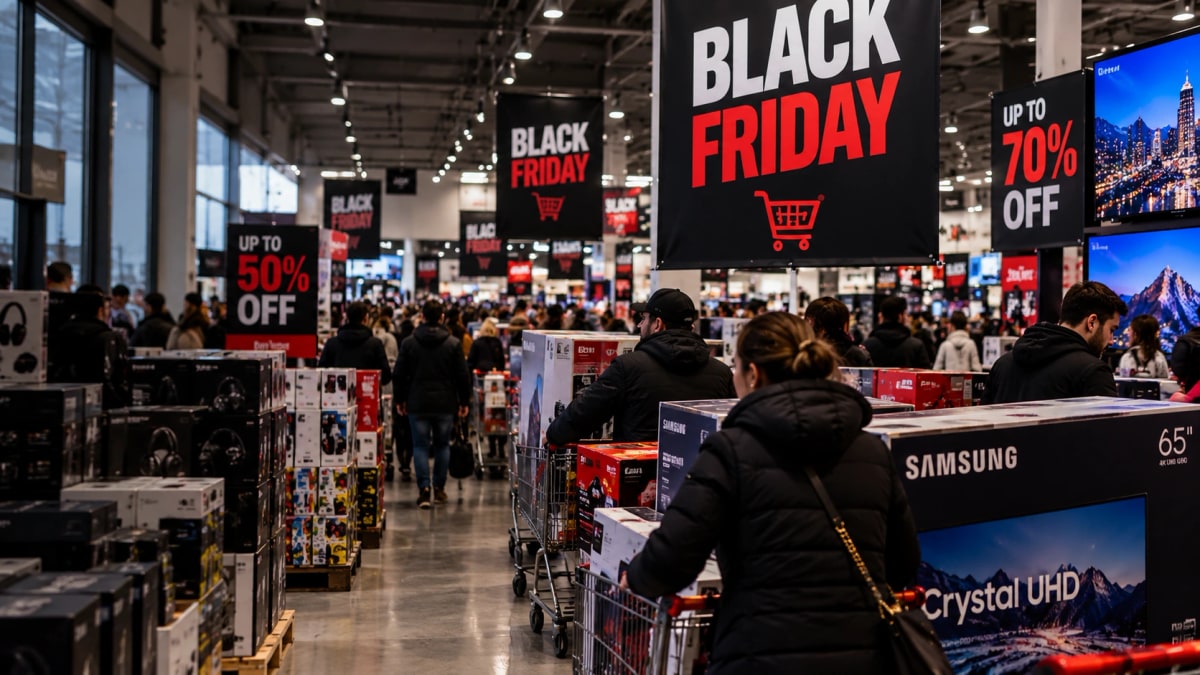
Black Friday plays an important role in the global retail industry. It marks the beginning of the major holiday shopping period and provides retailers with an opportunity to attract customers through limited-time discounts.
For consumers, it offers a chance to purchase expensive products at reduced prices, prepare holiday gifts, and take advantage of promotional campaigns.
Retailers also use the event to increase website traffic, attract new customers, clear seasonal inventory, and encourage repeat purchases.
Why Black Friday Matters in 2026
Several factors make this year's shopping season particularly interesting:
Digital-first shopping: Consumers are increasingly comfortable purchasing products through websites and mobile applications.
Price-conscious behaviour: Many shoppers are comparing deals before spending money.
Early promotions: Retailers are extending discounts beyond the traditional Black Friday date.
Personalised offers: Brands are using shopping history and customer preferences to promote relevant products.
Flexible payments: Buy Now, Pay Later services and digital wallets are influencing purchasing decisions.
Black Friday is no longer just about finding the cheapest product. It is increasingly about finding the right product at the right price.
2. Consumer Spending Trends in Black Friday 2026
Consumer spending is one of the most important indicators of Black Friday performance. Retailers closely monitor shopping activity to understand whether customers are spending more, reducing unnecessary purchases, or prioritising essential products.
In 2026, shoppers are likely to remain selective about where their money goes. Attractive discounts can encourage spending, but consumers are also paying attention to household budgets, product quality, and long-term value.
Major Spending Patterns to Watch
Consumer trend | Shopping behaviour |
Planned purchases | Consumers prepare shopping lists before the sale |
Discount hunting | Shoppers compare prices across retailers |
Online spending | More purchases take place through digital platforms |
Premium shopping | Customers look for discounts on expensive products |
Budget management | Consumers set spending limits |
Gift shopping | Holiday gifts remain an important purchase category |
Are Consumers Becoming More Careful With Money?
Yes, price awareness is an important part of modern shopping behaviour. Many consumers no longer purchase products simply because a retailer advertises a large percentage discount.
Instead, they consider the original price, available alternatives, customer reviews, delivery charges, and return policies.
For retailers, this means that trust and genuine value are becoming just as important as attractive promotional campaigns.
3. Most Popular Shopping Categories During Black Friday 2026
Certain product categories traditionally attract significant attention during Black Friday. Consumers often use the event to purchase expensive items, replace household products, and buy gifts for friends and family.
Here are some categories expected to attract shoppers in 2026.
1. Electronics and Gadgets
Electronics remain an important part of Black Friday shopping. Smartphones, laptops, televisions, headphones, gaming consoles, and smart home devices attract customers looking for meaningful savings.
Many shoppers wait for major sales before upgrading their technology.
Popular shopping interests include:
Smartphones and accessories
Laptops and tablets
Smart televisions
Wireless headphones
Gaming equipment
Smartwatches and fitness trackers
Retailers can attract customers by combining discounts with warranties, accessories, and attractive product bundles.
2. Fashion and Lifestyle
Clothing, footwear, bags, and accessories are also important Black Friday purchases. Fashion brands use seasonal promotions to introduce winter collections and encourage customers to purchase multiple products.
Shoppers may look for discounts on jackets, sneakers, dresses, sportswear, and everyday essentials.
3. Home Appliances and Furniture
Black Friday offers an opportunity to purchase household products that may otherwise require a larger budget.
Popular choices include washing machines, refrigerators, vacuum cleaners, kitchen appliances, mattresses, and furniture.
Customers often compare energy efficiency, durability, warranty coverage, and customer feedback before buying.
4. Beauty and Personal Care
Skincare, cosmetics, fragrances, haircare products, and personal grooming equipment attract customers during major shopping events.
Gift sets and product bundles can make these purchases particularly appealing during the holiday season.
5. Toys and Gaming Products
Families often use Black Friday to prepare for Christmas and other holiday celebrations. Toys, educational games, gaming accessories, and children's products can experience increased demand.
4. Online Shopping vs In-Store Shopping: Where Are Consumers Spending?
The growth of e-commerce has significantly changed Black Friday shopping. Customers can now compare products, explore promotional offers, and complete purchases without visiting a physical store.
However, traditional retail stores continue to offer advantages such as immediate produc
Comparing Online and Offline Shopping
Factor | Online shopping | In-store shopping |
Convenience | Shop from anywhere | Requires visiting a store |
Product comparison | Easy to compare websites | Compare available store products |
Availability | Wider online selection | Depends on local inventory |
Delivery | Products arrive later | Immediate purchase collection |
Experience | Digital browsing | Physical product inspection |
Discounts | Online-exclusive promotions | Store-specific offers |
Why Online Shopping Continues to Grow
Online shopping offers flexibility and convenience. Consumers can check multiple retailers within minutes and avoid travelling between stores.
Mobile applications, digital wallets, personalised recommendations, and faster checkout processes also make online purchasing easier.
At the same time, retailers are developing omnichannel shopping experiences. Customers might discover a product online, examine it in a store, and complete the purchase through a mobile application.
This combination is helping retailers connect digital and physical shopping experiences.
5. The Rise of Early Black Friday Deals
Black Friday promotions are no longer limited to one Friday. Many retailers now introduce discounts weeks before the main event.
Early promotions help businesses distribute customer demand across a longer period instead of relying entirely on one busy shopping day.
How Early Deals Influence Spending
Consumers can spread purchases across several weeks.
Retailers can generate sales before the main event.
Customers get more time to compare prices.
Popular products may sell out before November 27.
Promotional campaigns create excitement around holiday shopping.
For shoppers, early deals can be useful, but they should compare prices carefully. An early discount is not necessarily the best offer available.
Smart shopping tip: Track the regular selling price of a product before purchasing it during a promotional event.
6. How Inflation and Household Budgets Affect Shopping Decisions
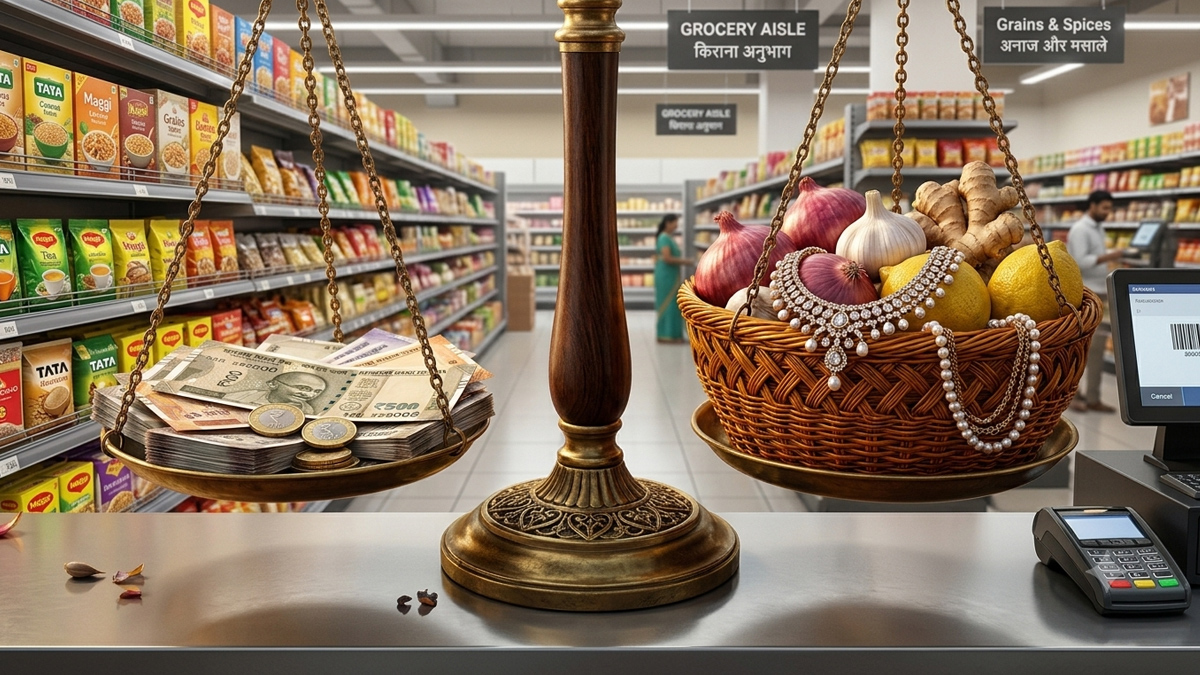
Economic conditions play an important role in consumer spending. Inflation, borrowing costs, employment conditions, and household income can influence how much people are willing to spend during Black Friday.
When household expenses increase, consumers may reduce discretionary purchases or focus on essential products.
For example, a shopper who previously planned to purchase a new smartphone, television, and home appliance might decide to buy only the product they need most.
Spending Habits in a Budget-Conscious Market
Shopping priority | Consumer response |
Essential products | Prioritise necessary purchases |
Expensive electronics | Wait for stronger discounts |
Fashion | Compare brands and promotional offers |
Home products | Focus on quality and durability |
Holiday gifts | Set a fixed gifting budget |
Retailers must understand that customers are looking for genuine savings rather than promotional messages alone.
Brands that offer transparent pricing, flexible delivery, and reliable customer service may have an advantage.
7. Artificial Intelligence and Personalised Shopping Experiences
Artificial intelligence is becoming increasingly important in online retail. During Black Friday 2026, retailers can use AI-powered tools to understand shopping behaviour and improve the customer experience.
These technologies help businesses analyse customer preferences, recommend products, and manage inventory.
How AI Is Changing Black Friday Shopping
Personalised recommendations: Online platforms can suggest products based on previous searches, purchases, and browsing activity.
AI shopping assistants: Virtual assistants can help customers find products, compare features, and answer common shopping questions.
Demand forecasting: Retailers can analyse historical sales data to estimate which products may experience increased demand.
Dynamic pricing: Some retailers use automated systems to adjust prices according to demand, competition, and inventory conditions.
Customer support: Chatbots can provide information about delivery, returns, discounts, and product availability.
AI can make shopping more convenient, but retailers must also maintain transparent pricing and protect customer information.
8. Social Media and Influencers Are Shaping Shopping Decisions
Social media has become an important discovery channel for consumers. Platforms such as Instagram, TikTok, YouTube, and Pinterest allow brands to showcase products, publish reviews, and promote seasonal discounts.
Influencers and content creators can also introduce shoppers to products they may not have discovered through traditional advertising.
The Growing Influence of Social Commerce
Social commerce combines entertainment, product discovery, and purchasing opportunities.
During Black Friday, consumers may discover a discounted product through a short video, watch a product demonstration, read comments, and visit the retailer's website.
However, shoppers should remain careful about misleading advertisements and unrealistic discount claims.
Useful shopping practices include:
Checking independent product reviews.
Comparing prices across different websites.
Reading return and refund policies.
Verifying the seller's identity.
Avoiding suspicious payment links.
9. How Retailers Are Preparing for Black Friday 2026
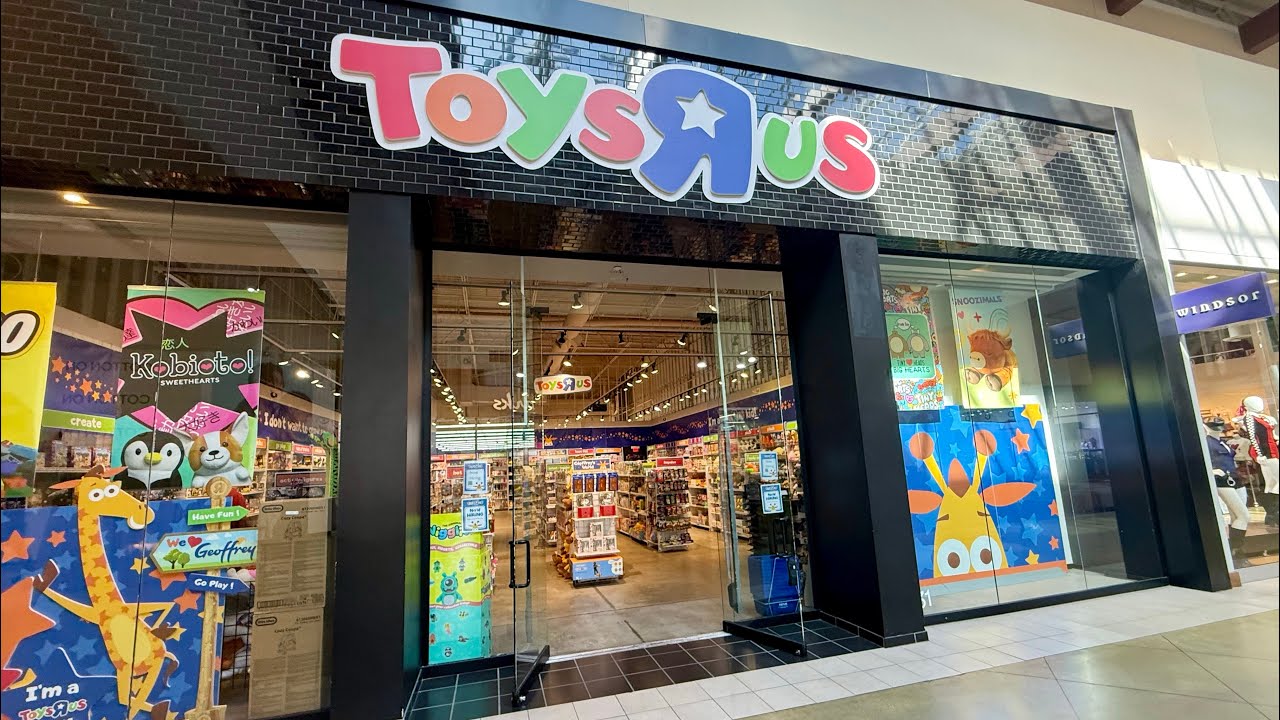
Black Friday creates opportunities for retailers, but it also brings operational challenges. Businesses must prepare their websites, inventory, customer service teams, and delivery networks before the shopping rush begins.
Key Retail Strategies
Retail strategy | Business objective |
Early promotions | Build customer interest |
Product bundles | Increase average order value |
Loyalty rewards | Encourage repeat purchases |
Mobile optimisation | Improve smartphone shopping |
Inventory planning | Reduce stock shortages |
Fast delivery | Improve customer satisfaction |
Personalised marketing | Reach relevant audiences |
Why Customer Experience Matters
A large discount may attract customers, but a poor shopping experience can damage a retailer's reputation.
Slow websites, confusing checkout processes, hidden charges, and delayed deliveries can discourage customers from completing purchases.
Retailers that provide accurate product information, secure payment options, clear policies, and responsive customer support can build stronger relationships with shoppers.
10. Important Black Friday 2026 Spending Forecasts and Statistics
Several major research organisations have published forecasts that help explain what retailers and consumers can expect from the 2026 holiday shopping season.
The following figures provide useful insights into expected spending and shopping behaviour.
Research organisation | 2026 findings |
Bain & Company | Black Friday–Cyber Monday retail sales expected to exceed $85 billion |
Adobe | US online holiday sales forecast at $275.1 billion |
PwC | Average holiday spending expected to decline by 5% |
Circana | Average holiday spending expected to be $779 |
BCG | 81% of consumers aware of Black Friday intend to shop year-end sales events |
What do these numbers tell us?
The forecasts suggest that consumer demand remains strong, but shoppers are becoming more selective. Online shopping continues to expand, while promotional events are attracting customers who want to maximise their budgets.
It is important to remember that these are forecasts and survey findings, not final Black Friday sales results.
Bain & Company+4
11. Smart Shopping Tips for Black Friday 2026
Black Friday can offer attractive savings, but shopping without a plan can lead to unnecessary purchases. A little preparation can help consumers make better decisions.
Here are some practical tips for shopping smarter.
Prepare a shopping list: Identify the products you genuinely need before browsing promotional offers.
Set a spending limit: Decide how much you can comfortably spend without affecting essential expenses.
Compare prices: Check the same product across different retailers instead of trusting the first advertised discount.
Read customer reviews: Look for feedback about product quality, performance, and durability.
Check return policies: Understand whether discounted products can be returned or exchanged.
Shop from trusted websites: Avoid unfamiliar websites offering unrealistic discounts.
Watch additional charges: Consider shipping fees, taxes, and other costs before completing payment.
Avoid impulse purchases: A limited-time offer does not automatically mean you need the product.
Remember: The best Black Friday deal is not necessarily the biggest discount. It is the purchase that provides genuine value within your budget.
12. What Does Black Friday 2026 Mean for the Future of Retail?
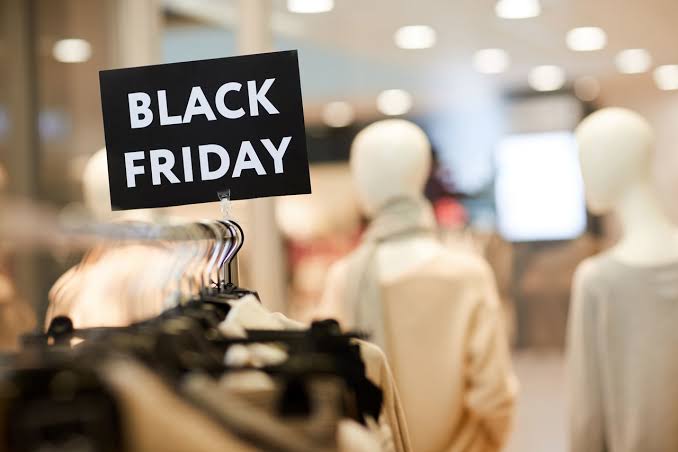
Black Friday is becoming an important indicator of how retail businesses are evolving. The event demonstrates the growing relationship between technology, consumer expectations, pricing strategies, and digital shopping experiences.
Retailers are moving towards more personalised promotions, faster fulfilment, improved mobile shopping, and better customer engagement.
Consumers, meanwhile, are becoming more informed and selective. They want convenient shopping experiences, transparent discounts, and products that justify their spending.
Another important development is the growing influence of artificial intelligence. AI-powered shopping assistants and product discovery tools could make it easier for customers to identify suitable products and compare offers.
For businesses, the challenge will be to balance competitive pricing with profitability while maintaining customer trust
FAQ'S
Black Friday 2026 takes place on November 27, 2026.
Electronics, fashion, home appliances, beauty products, toys, and gaming accessories are popular shopping categories.
Both offer advantages. Online shopping provides convenience and easy price comparisons, while physical stores allow customers to inspect products.
Retailers introduce early promotions to attract customers, spread demand, and generate sales before the main shopping weekend.
Consumers can prepare shopping lists, compare prices, set budgets, check reviews, and avoid unnecessary purchases.
Sources and notes
Links the author listed for this post.
This article uses industry research, consumer surveys, and retail forecasts from: - Deloitte – 2026 Holiday Retail Survey - Bain & Company – Black Friday 2026 Sales Forecast - Adobe – 2026 US Holiday Online Shopping Forecast - PwC – Holiday Outlook 2026 - BCG – Year-End Sales Events Consumer Study 2026 - Circana – 2026 Holiday Spending Study
More on AltFTool
- AltFTool (opens in a new tab)
altftool.com


Discussion
0 comments
No comments yet
Discussion will appear here once it loads.