
Insurance is one of those things we usually think about only when something goes wrong. But honestly, that is exactly why it deserves attention before an emergency happens. A good insurance policy can help protect your savings, family, health, vehicle, home, or business from expenses that may otherwise become difficult to manage.
In 2026, there are many insurance options available, from health and life insurance to motor, travel, home and business insurance. The challenge is not simply finding a policy—it is choosing coverage that actually matches your needs and budget.
This guide explains the major types of insurance, what they generally cover, how premiums work, and the important things to check before buying a policy.
What Is Insurance?
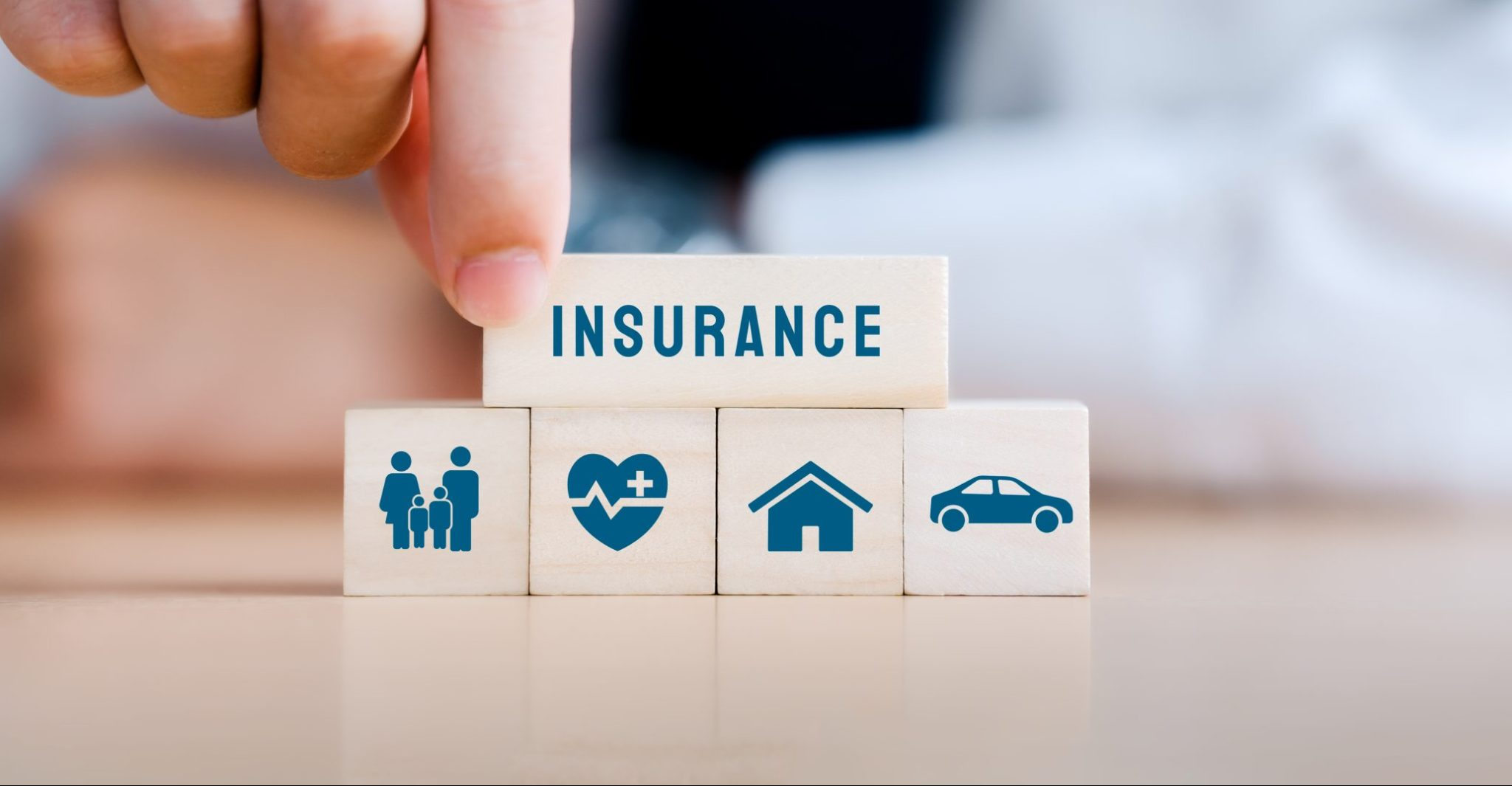
Insurance is a financial arrangement where you pay a premium to an insurance company in return for protection against specified risks.
For example, with health insurance, you pay a premium for coverage against eligible medical expenses. With motor insurance, the policy can provide financial protection for covered losses involving your vehicle, subject to the policy terms.
The basic idea is simple:
You pay a manageable amount today to reduce the financial impact of a potentially large expense tomorrow.
However, every insurance policy has conditions, exclusions, limits and claim requirements. So reading the policy details is just as important as comparing the premium.
Why Is Insurance Important in 2026?
The cost of healthcare, vehicle repairs, travel and other unexpected expenses can put pressure on household finances. Insurance can act as a financial safety net when a covered event occurs.
Key benefits of insurance
Helps manage unexpected financial losses
Protects savings from certain large expenses
Provides financial support to dependants through life insurance
Helps cover eligible medical expenses
Provides protection against covered vehicle-related losses
Can provide financial assistance after certain property losses
Supports financial planning and risk management
Important: Insurance does not eliminate financial risk completely. It transfers certain risks to the insurer according to the terms and conditions of the policy.
Major Types of Insurance in 2026
Life Insurance
Main Purpose: Financial protection for dependants
Generally Protects: Family income and financial security
Health Insurance
Main Purpose: Medical expense protection
Generally Protects: Health-related finances
Motor Insurance
Main Purpose: Vehicle-related protection
Generally Protects: Cars and two-wheelers
Home Insurance
Main Purpose: Property protection
Generally Protects: Home and belongings
Travel Insurance
Main Purpose: Travel-related protection
Generally Protects: Travellers and trips
Business Insurance
Main Purpose: Business risk protection
Generally Protects: Business operations
Personal Accident Insurance
Main Purpose: Protection against covered accidental events
Generally Protects: Individual and family finances
1. Life Insurance
Life insurance is primarily designed to provide financial protection to the policyholder's beneficiaries after the policyholder's death, according to the policy terms.
It can be particularly important for people who have dependants, outstanding financial responsibilities or long-term family goals.
Common life insurance options
Term insurance: Provides life cover for a specified period.
Whole life insurance: Generally provides coverage for a longer period, subject to the policy terms.
Endowment plans: Combine insurance with a savings-oriented component.
ULIPs: Combine life insurance with investment components, with returns linked to market performance and associated risks.
A simple tip
If your primary objective is financial protection for your family, compare the life cover, policy duration, exclusions and premium rather than choosing a policy only because it offers an investment feature.
2. Health Insurance
Healthcare expenses can become a major financial burden, particularly during hospitalisation or serious illness.
Health insurance can help cover eligible medical expenses according to the policy's coverage, limits, waiting periods and exclusions.
When comparing health insurance, check:
Sum insured
Hospitalisation coverage
Room-rent limits
Waiting periods
Pre-existing disease rules
Network hospitals
Co-payment requirements
Deductibles
Exclusions
Claim process
Don't choose only by premium
A policy with a lower premium may not necessarily provide better value. Always compare what you receive for that premium.
3. Motor Insurance
If you own a car or two-wheeler, motor insurance is an important part of vehicle ownership.
Motor insurance policies can provide different levels of protection depending on the policy selected.
Common types include:
Third-party insurance:
Provides coverage for specified third-party liabilities arising from the use of the insured vehicle, subject to the policy and applicable law.
Comprehensive insurance:
Generally combines third-party liability cover with coverage for certain losses or damages to the insured vehicle, subject to terms and exclusions.
Before buying motor insurance, compare:
IDV where applicable
Premium
Deductible
Add-ons
Claim settlement process
Network garages
Exclusions
4. Home Insurance
Your home may be one of your biggest financial assets, while your household belongings can also represent significant value.
Home insurance can provide protection against specified risks affecting the building, contents or both, depending on the policy.
Coverage may vary for events such as fire, certain natural events, theft and other insured risks.
Before choosing home insurance
Make sure you understand whether the policy covers:
Building structure
Household contents
Personal belongings
Certain natural disasters
Fire-related losses
Theft or burglary
Temporary accommodation, where applicable
Never assume that every type of damage is automatically covered.
5. Travel Insurance
Travel insurance can be useful when you're travelling within India or internationally.
Depending on the plan, travel insurance may provide coverage for specified situations such as medical emergencies, trip-related disruptions, baggage issues or travel delays.
Travel insurance may be especially useful for:
International trips
Family holidays
Long journeys
Adventure-focused travel
Expensive planned trips
Before purchasing, check the geographical coverage, medical limits, exclusions and claim requirements.
6. Business Insurance
Business owners face risks that individuals may not encounter. Property damage, liability claims, interruptions and other unexpected events can affect business finances.
Depending on the business and policy, insurance may cover certain risks related to:
Property
Employees
Liability
Equipment
Business interruption
Commercial vehicles
Professional services
The right business insurance depends heavily on the industry, size and nature of the business.
How to Choose the Best Insurance Plan in 2026
Choosing insurance can feel confusing because every company highlights different benefits. Instead of looking only at advertisements, follow a simple comparison process.
1. Understand Your Actual Need
Start by asking:
What financial risk am I trying to protect myself from?
For example:
Family income → Life insurance
Medical expenses → Health insurance
Vehicle damage/liability → Motor insurance
Travel emergencies → Travel insurance
Property risks → Home insurance
Once the purpose is clear, comparing policies becomes much easier.
2. Compare Coverage, Not Just Premium
A low premium can look attractive, but it may come with lower coverage, higher deductibles, restrictions or exclusions.
What to Compare | Why It Matters |
|---|---|
Coverage amount | Determines the financial protection available |
Premium | Your regular insurance cost |
Deductible | Amount you may need to pay before certain coverage applies |
Exclusions | Shows what isn't covered |
Waiting period | Important for certain health-related coverage |
Policy duration | Defines the period of protection |
Claim process | Affects how you access benefits after a covered event |
Add-ons | Can provide additional protection at extra cost |
3. Read the Exclusions Carefully
This is one of the most important steps.
An insurance policy is not a promise to pay for every possible loss. Exclusions identify situations, conditions or expenses that are not covered.
Before purchasing, always check:
What is covered?
What is not covered?
What limits apply?
Are there waiting periods?
Are there deductibles or co-payments?
What documents are required for claims?
4. Check the Claim Process
A policy is useful only when you understand how to use it when a covered event occurs.
Look for clear information about:
How to file a claim
Required documents
Claim notification timelines
Cashless facilities, where applicable
Reimbursement procedures
Customer support
Keep your policy documents and important contact information accessible.
Smart Insurance Tips for 2026
Here are a few practical habits that can make insurance planning easier:
✔ Review your coverage annually
Income, family responsibilities, assets and financial commitments can change.
✔ Keep policy documents organised
Store digital and physical copies where you can access them easily.
✔ Understand renewal dates
Missing a renewal can affect continuity or leave you without coverage, depending on the policy.
✔ Compare before renewing
Don't automatically renew without checking whether the coverage and premium still suit your needs.
✔ Be honest in your application
Accurate information is essential when purchasing insurance.
✔ Don't over-insure or under-insure
The goal is appropriate protection—not simply buying the largest possible policy.
Conclusion
Choosing the right insurance is not just about finding the lowest premium—it is about finding the right protection for your actual needs. From life and health insurance to motor, home, travel, business and personal accident coverage, each type of insurance serves a different purpose.
Before buying a policy, always compare the coverage, premium, exclusions, waiting periods, deductibles and claim process. Take your time, read the policy terms carefully and choose coverage that fits your financial situation.
A well-chosen insurance plan can give you more than financial protection—it can also bring greater confidence and peace of mind when unexpected situations arise.
FAQ's
It depends on your situation. Health and life insurance can be important priorities for many families, while motor insurance is relevant to vehicle owners.
Compare coverage, premium, exclusions, deductibles, waiting periods, claim procedures and policy conditions—not just price.
No. A lower premium may come with lower coverage or more restrictions. Compare the overall value of the policy.
Yes, a person can have multiple policies, depending on the type and purpose of the insurance.
Yes. Reviewing your coverage periodically can help you determine whether it still matches your financial responsibilities and needs.
Sources and notes
Links the author listed for this post.
General insurance and financial-planning information based on standard insurance concepts. Policy terms, coverage, exclusions, premiums and claim conditions vary by insurer and product.
Discussion
0 comments
No comments yet
Discussion will appear here once it loads.