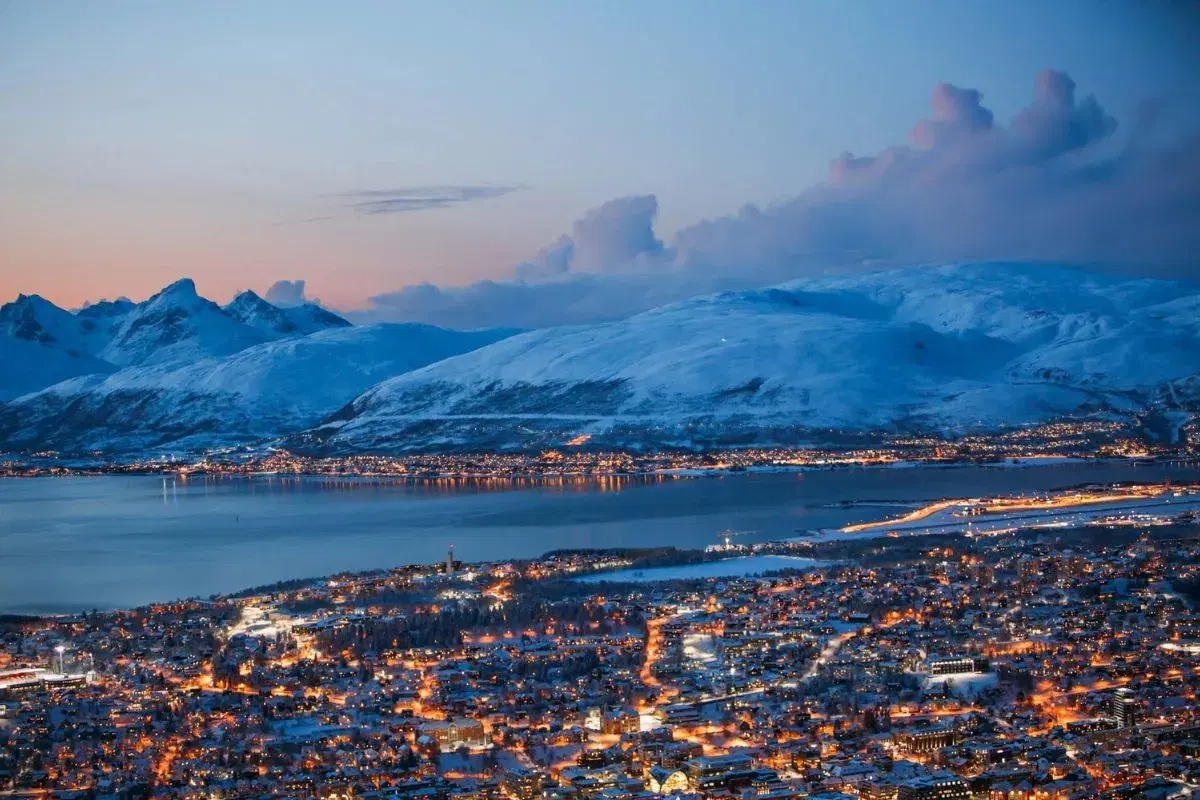
There is a distinct magic to the final stretch of the year. As November winds down and December takes over, the world seems to split into two completely different kinds of travellers. On one side, you have the cold-weather purists—the people who cannot wait to pull on thick woollen socks, wrap their hands around a steaming mug of hot chocolate, and watch snow settle onto wooden rooftops. On the other side, you have the sun-chasers—travellers who see winter as the ultimate excuse to pack a swimsuit, escape grey skies, and spend their afternoons beside warm, turquoise water.
For me, winter travel has always been about breaking out of the daily grind and stepping into a different rhythm. Whether that means watching a train wind through frozen Alpine passes, wandering through a cobblestone square glowing with fairy lights, or sitting on a quiet houseboat surrounded by palm trees, the season offers a variety that no other time of year quite matches.
With 2026 entering its final weeks, the window to plan a memorable end-of-year escape is right in front of us. Whether you are looking for a romantic retreat, a fun-filled family holiday, an adrenaline-heavy adventure, or a slow, restorative break with friends, the destinations below offer some of the best seasonal experiences you can find right now.
1. Switzerland: Classic Alpine Magic and Scenic Trains
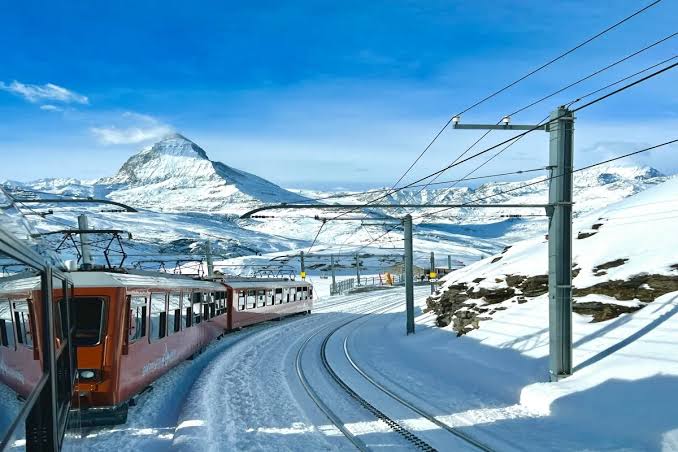
If your mental picture of a winter holiday looks like a snow globe, Switzerland is the place that brings it to life. Few countries do winter with as much effortless charm. Between its jagged, snow-blanketed peaks, car-free mountain villages, and world-famous rail network, travelling here feels like stepping straight into a classic holiday postcard.
Zermatt remains one of the biggest draws, largely because it sits right beneath the iconic pyramid peak of the Matterhorn. Even if you have never strapped on a pair of skis in your life, riding the Gornergrat Railway up the mountainside or taking a cable car to Glacier Paradise gives you front-row seats to some of Europe's most dramatic scenery. Over in Interlaken, positioned neatly between Lake Thun and Lake Brienz, travellers get easy access to the Jungfrau region—a playground for winter hikers, sledders, and skiers alike.
One experience worth building an entire itinerary around is a panoramic Swiss train ride, such as the Glacier Express or the Bernina Express. Sitting inside a heated carriage with floor-to-ceiling windows while frozen waterfalls, deep gorges, and tiny snow-covered hamlets glide past outside is easily one of the most relaxing ways to see the Alps.
Practical planning note: Switzerland is fantastic for couples and families, as public transport runs with clockwork precision. However, it is undeniably expensive. Booking train passes (like the Swiss Travel Pass) and mountain hotels well ahead of time will save you from steep last-minute rates, and opting for lunches at local bakeries or supermarkets like Coop and Migros can help keep daily food costs reasonable.
2. Finnish Lapland: Glass Igloos and the Northern Lights
Located well above the Arctic Circle, Finnish Lapland feels less like a regular holiday spot and more like the setting of a childhood storybook. Endless stretches of snow-laden pine forests, frozen lakes, and deep blue twilight skies make it an unforgettable escape for anyone craving genuine Arctic wilderness.
Rovaniemi, the regional capital, is famously known as the official hometown of Santa Claus. For families travelling with children in December, visiting Santa Claus Village—where you can cross the Arctic Circle line and send postcards from the official post office—is an obvious highlight. Beyond the festive cheer, Lapland is packed with quintessential winter activities: gliding silently through the woods on a husky sled, taking a peaceful reindeer sleigh ride, or heading out on a guided snowmobile safari across frozen rivers.
For many visitors, the ultimate bucket-list stay here is a glass-roofed igloo or Aurora cabin in places like Saariselkä or Levi. Being able to lie under a warm duvet and watch green ribbons of the Northern Lights dance overhead—without standing outside in freezing temperatures—is a genuinely special experience.
Practical planning note: The Northern Lights are a natural phenomenon, so clear skies and solar activity are never guaranteed; giving yourself at least three to four nights in the region significantly improves your chances. Also, do not underestimate the cold. Temperatures regularly drop to −20∘C-20^\circ\text{C}−20∘C or lower, so proper thermal base layers, wool socks, and insulated waterproof outerwear are non-negotiable.
3. Kyoto, Japan: Quiet Temples and Steaming Comfort Food
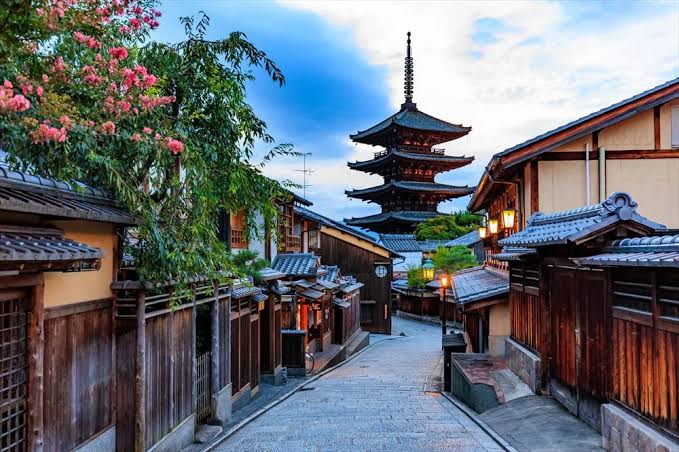
While most travellers flock to Kyoto for spring cherry blossoms or autumn maple leaves, winter reveals a quieter, deeply atmospheric side of Japan’s former imperial capital. With slightly thinner crowds and crisp, clear air, wandering through historic wooden neighbourhoods like Gion and Higashiyama feels far more intimate.
Iconic landmarks such as Kinkaku-ji (the Golden Pavilion), the vermilion torii gates of Fushimi Inari Taisha, and the towering stalks of the Arashiyama Bamboo Grove take on a serene, contemplative mood during the colder months. If you are lucky enough to catch one of the occasional light snowfalls that dust the temple roofs, the scenery is unforgettable.
Winter is also hands-down the best season to eat in Kyoto. Cold evenings are made for ducking into tiny, lantern-lit restaurants for rich bowls of miso ramen, bubbling pots of yudofu (Kyoto’s famous simmered tofu specialty), and steaming cups of freshly whisked Uji matcha paired with delicate seasonal sweets.
Practical planning note: Snow is never guaranteed in central Kyoto itself, as the city sits in a valley. If you want guaranteed snow alongside your cultural sightseeing, consider pairing Kyoto with a short trip north to Shirakawa-go or Kanazawa, where heavy snowfall blankets traditional thatched-roof farmhouses.
4. Iceland: Blue Ice Caves and Volcanic Landscapes
For travellers who prefer raw, untamed nature over cosy city breaks, Iceland in winter is unmatched. The island’s dramatic mix of glaciers, black-sand beaches, thundering waterfalls, and steaming geothermal pools takes on an almost otherworldly quality when framed by snow and ice.
Using Reykjavik as a base, you can easily explore the famous Golden Circle route, watch the Strokkur geyser erupt against a crisp winter sky, and stand beside partially frozen waterfalls like Skógafoss and Seljalandsfoss. After a day out in the biting wind, sinking into the milky, mineral-rich waters of the Blue Lagoon or the newer Sky Lagoon is pure bliss.
One of the true highlights of an Icelandic winter is stepping inside a natural blue ice cave beneath Vatnajökull, Europe’s largest glacier. Because these caves melt and reform every year, the translucent, electric-blue ice walls you see in winter are completely unique to that single season.
Practical planning note: Daylight hours in late November and December are very short—often just four to five hours—so plan your outdoor sightseeing tightly around midday. Weather in Iceland changes in minutes; if you are not confident driving on icy, wind-swept roads, book guided super-jeep tours instead of renting a car.
5. Vienna, Austria: Grand Palaces and Traditional Christmas Markets
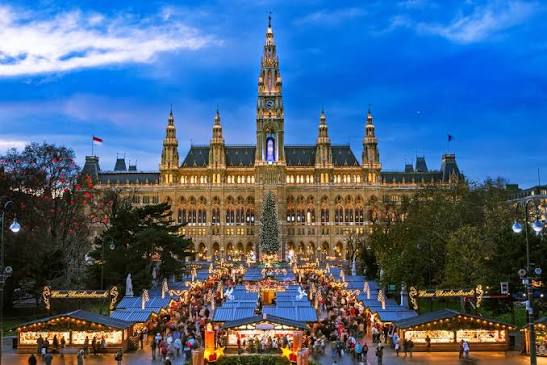
Few cities celebrate the festive season with as much elegance as Vienna. From mid-November right through December, Austria’s capital transforms into a glowing symphony of imperial architecture, classical music, and the irresistible aroma of roasted chestnuts and spiced punch (Punsch).
The centrepiece of the season is the Viennese Dream Christmas Market in front of the neo-Gothic City Hall (Rathausplatz), where dozens of wooden stalls sell hand-blown glass ornaments, beeswax candles, and traditional treats. Smaller, more intimate markets tucked into the courtyards of Schönbrunn Palace and Belvedere Palace offer an equally magical backdrop without quite the same crush of crowds.
Between market-hopping, Vienna’s grand coffeehouse culture provides the ultimate winter refuge. Spending a cold afternoon inside a historic café like Café Central or Café Sacher with a melange coffee and a slice of original Sachertorte is practically a rite of passage.
Practical planning note: Many European Christmas markets begin closing down between December 23 and December 26. If you are planning a trip specifically for the festive stalls, double-check the exact closing dates for each market before locking in your flights.
6. Prague, Czech Republic: Fairytale Streets on a Sensible Budget
With its gothic spires, baroque facades, and winding cobblestone lanes, Prague looks like a fairytale city at any time of year—but a dusting of winter snow elevates it to another level entirely. Compared to Western European capitals like Paris or Zurich, it also offers noticeably better value for your travel budget.
The Old Town Square serves as the festive heart of the city, anchored by a towering Christmas tree, medieval astronomical clock, and wooden huts serving trdelník (chimney cake), grilled sausages, and hot mulled wine (svařák). Early in the morning, before the tour groups arrive, walking across the mist-covered Charles Bridge while looking up at Prague Castle is one of Europe's finest urban views.
When the chill sets in, Prague’s historic pubs and cosy cellar restaurants invite you to linger over hearty Czech comfort food—think slow-cooked beef goulash with bread dumplings—and some of the best pilsner beer in the world.
Practical planning note: Prague is immensely popular during the week between Christmas and New Year’s Eve. Book central accommodation early, and wear sturdy, non-slip boots—wet or icy cobblestones in the Old Town can get surprisingly slick.
7. Quebec City, Canada: Old-World European Charm in North America
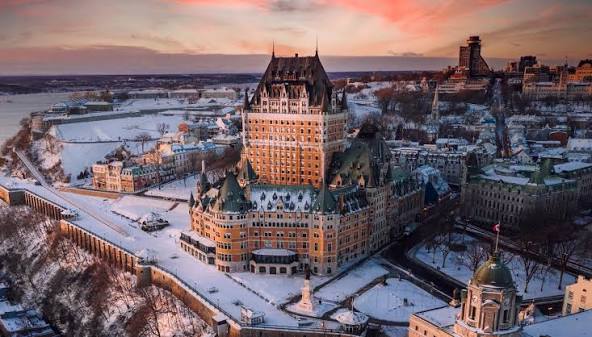
If you love the look and feel of a historic European winter without crossing the Atlantic, Quebec City delivers it in spades. As the only walled city north of Mexico, its historic district—Old Quebec—is a UNESCO World Heritage site filled with 17th- and 18th-century stone buildings, French bistros, and steep, snowy streets.
Dominating the skyline is the Fairmont Château Frontenac, arguably the most photographed hotel in the world. Right below it lies the Quartier Petit-Champlain, a pedestrian-only lane lined with independent boutiques, art galleries, and cafés draped in twinkling lights and evergreen garlands. Outdoor enthusiasts can also head just outside the city for snowshoeing, dog sledding, or sliding down the historic wooden toboggan run at Dufferin Terrace.
Practical planning note: While the famous Quebec Winter Carnival takes place in February (putting the next edition in early 2027), the city is arguably at its most romantic during the December holiday season. Do pack serious winter gear—wind chills coming off the St. Lawrence River make temperatures feel much colder than the thermometer suggests.
8. Dubai, UAE: Winter Sunshine, Desert Dunes, and City Glamour
Not everyone wants to spend their precious holiday time layering up in thermal underwear. If your ideal winter break involves bright blue skies, outdoor dining, and daytime temperatures hovering around a pleasant 24∘C24^\circ\text{C}24∘C to 26∘C26^\circ\text{C}26∘C, Dubai is one of the easiest and most reliable warm-weather escapes in the world.
While summer in Dubai is far too hot for spending time outdoors, November through February is prime season. You can comfortably stroll along Dubai Marina, relax on the sand at Jumeirah Beach, explore the bustling gold and spice souks along Dubai Creek, or take in panoramic views from the Burj Khalifa without breaking a sweat.
One of the best ways to balance the city’s futuristic skyline is with an evening desert safari. Heading out into the red sand dunes of the Arabian Desert in a 4x4, watching the sun dip below the horizon, and enjoying dinner under the stars offers a completely different side of the emirate.
Practical planning note: Because winter is peak tourist season in the UAE, hotel rates and attraction tickets are at their highest. Booking major attractions like the Burj Khalifa or the Museum of the Future a few weeks in advance saves both money and long queues at the door.
9. Thailand: Tropical Beaches, Island Hopping, and Street Food
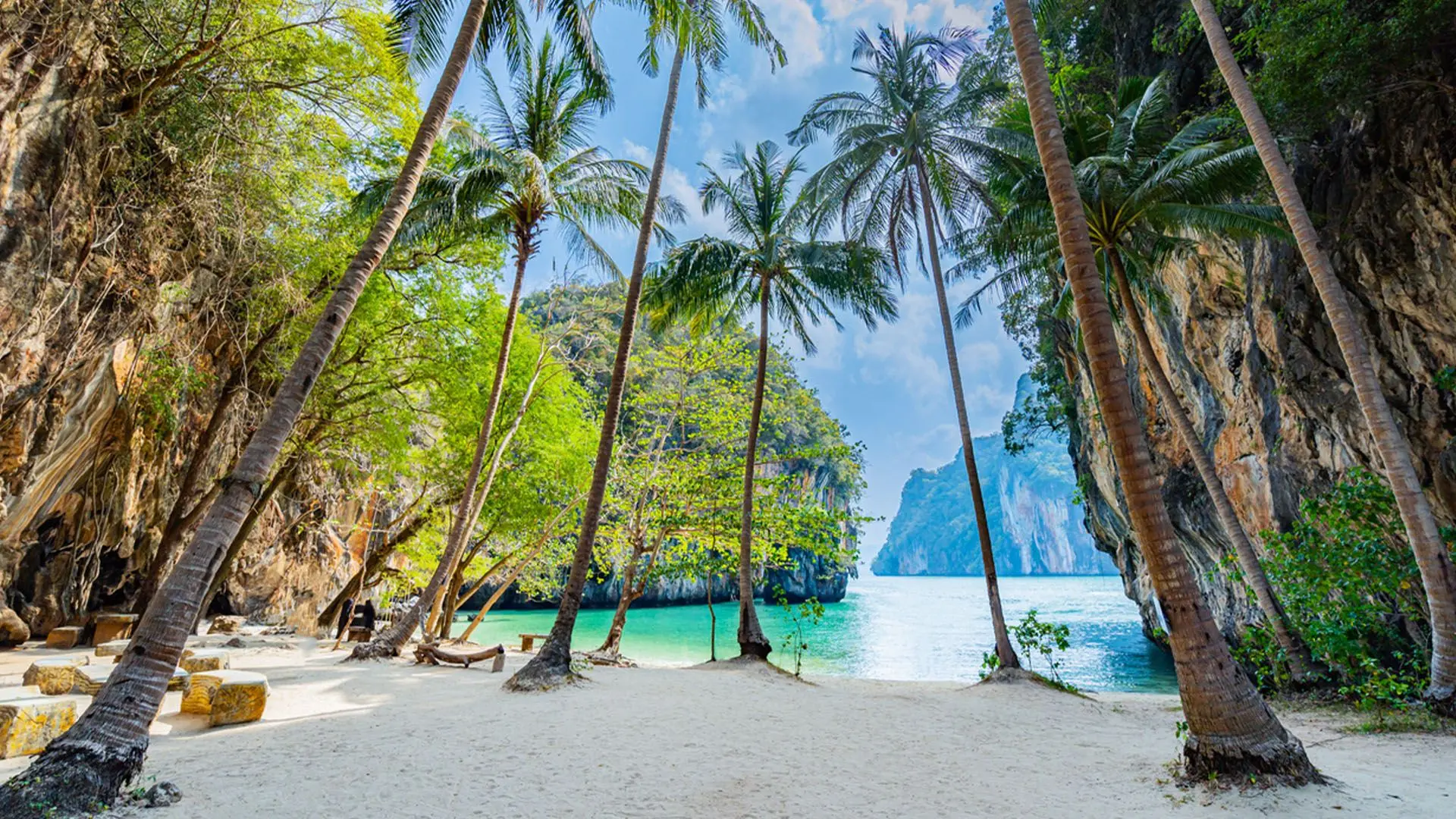
For travellers dreaming of trading heavy winter coats for flip-flops and ocean breezes, Thailand is hard to beat. By late November and December, the monsoon rains along the Andaman coast have cleared, leaving behind calm seas, clear visibility for snorkelling, and warm, sunny days.
What makes Thailand so appealing is how easily you can tailor a trip to your pace. You can start with two or three energetic days in Bangkok—exploring ornate temples like Wat Arun, cruising the Chao Phraya River, and sampling world-class street food—before flying south to the coast. Phuket offers lively beaches, luxury resorts, and easy boat access to the Phi Phi Islands, while neighbouring Krabi is loved for its dramatic limestone cliffs, Railay Beach, and laid-back island atmosphere. If you prefer cool mountain mornings and night markets over beaches, Chiang Mai in the north is equally inviting at this time of year.
Practical planning note: Thailand’s weather varies by coast. While December is ideal for Phuket, Krabi, and Koh Lanta on the west coast, islands in the Gulf of Thailand (like Koh Samui) can still experience occasional late-season rain until late December—keep that in mind when picking your beach base.
10. Kerala, India: Misty Tea Hills and Peaceful Backwaters
If you are looking for a restorative winter getaway closer to home—or simply want a warm, nature-rich destination without extreme heat—Kerala in southern India is at its absolute best between November and February. The humidity drops, the skies clear, and the entire state looks lush and vibrant following the retreating monsoons.
A classic Kerala winter itinerary blends two completely different landscapes. You can start in the Western Ghats at Munnar, where rolling hills are carpeted in emerald-green tea plantations and crisp mountain air calls for a light sweater in the mornings. From there, head down to Alleppey (Alappuzha) to board a traditional wooden kettuvallam (houseboat), drifting slowly through palm-fringed canals while watching village life unfold along the banks. If you want a few days by the Arabian Sea, the red cliffs of Varkala and the crescent beaches of Kovalam are both within easy reach.
Beyond the scenery, Kerala’s cuisine shines in winter—think freshly made appam with coconut stew, fluffy puttu, spicy Malabar fish curry, and traditional banana-leaf sadya feasts.
Practical planning note: The last two weeks of December are the busiest travel window of the year in Kerala, particularly around Fort Kochi (which hosts the popular Cochin Carnival at year-end) and Alleppey houseboats. Book your stays and houseboats well ahead of time to get the best waterfront properties.
Switzerland, Finnish Lapland, Iceland, and Quebec City offer reliable snow, scenic mountain views, and classic winter activities.
Dubai, Thailand’s Andaman coast (Phuket and Krabi), and Kerala provide sunny skies and comfortable temperatures during winter.
Vienna and Prague are top choices for traditional Christmas markets, festive lights, seasonal food, and historic architecture.
Booking flights, hotels, and popular experiences several months in advance helps secure better prices and availability during the peak holiday rush.
Pack thermal base layers, a warm fleece or wool sweater, a waterproof outer jacket, gloves, and sturdy non-slip winter boots.
Sources and notes
Links the author listed for this post.
Destination information and seasonal travel recommendations are based on established travel guides, tourism resources, and current winter travel coverage. Sources include Lonely Planet, Euronews, and travel industry publications.
More on AltFTool
- AltFTool (opens in a new tab)
altftool.com


Discussion
0 comments