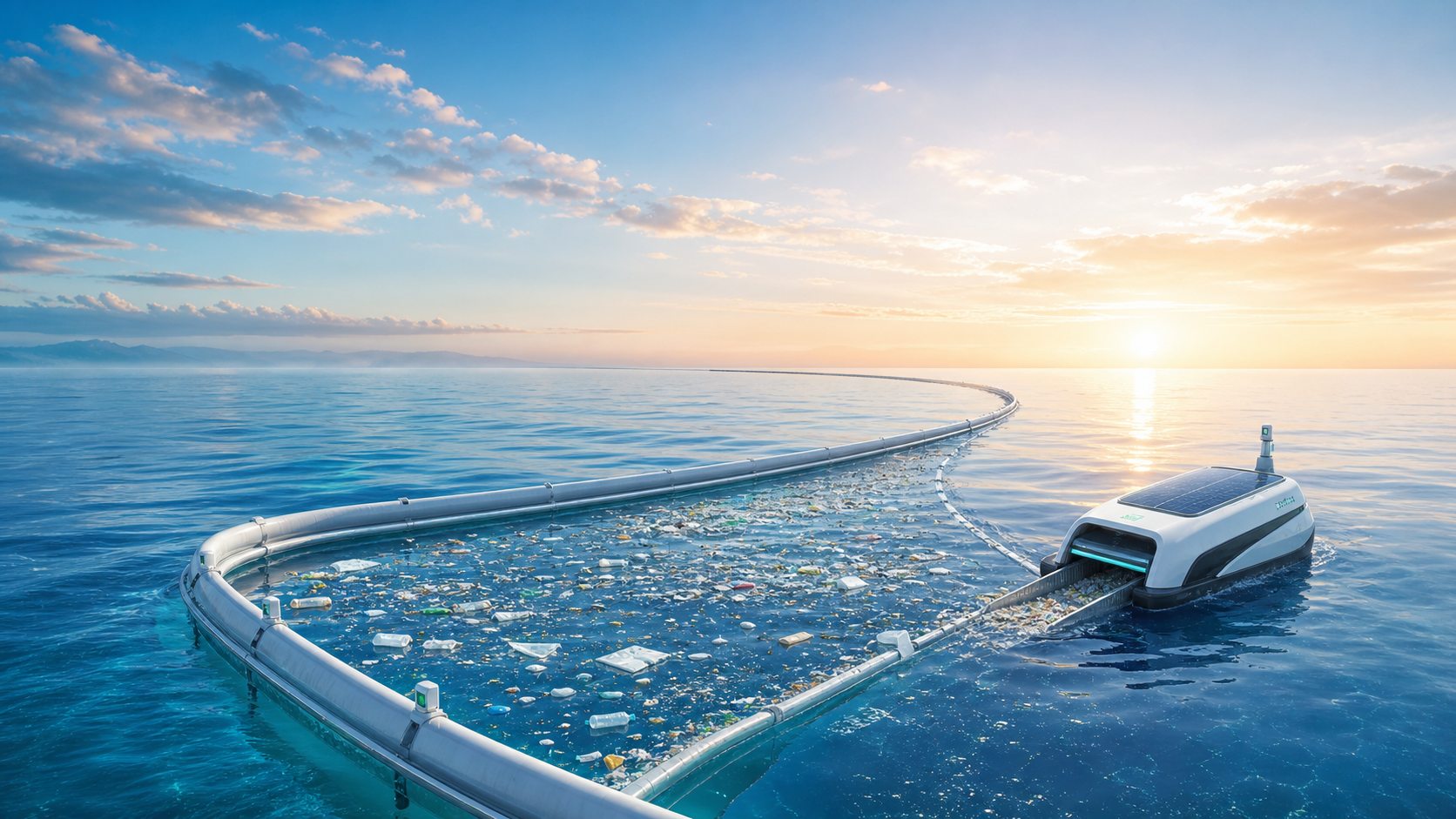
Ocean Cleanup Technology Ocean cleanup technology includes floating barriers, river interceptors, collection vessels, better material tracking, and prevention systems on land. The most useful solutions treat marine waste as a full lifecycle problem rather than a single cleanup event.
14 Original Facts
- 01Many cleanup strategies focus on rivers because rivers can move plastic waste from land into the ocean.
- 02Floating collection systems are designed to guide debris toward a retrieval point without blocking marine animals.
- 03Ocean cleanup work is easier when waste is intercepted before it breaks into tiny fragments.
- 04Microplastics are harder to collect than larger debris because they spread widely and mix into water and sediment.
- 05Material identification helps cleanup teams understand which products and packaging types appear most often.
- 06A strong cleanup plan includes prevention, collection, sorting, recycling, and safe disposal.
- 07Weather, currents, and wave action affect how floating debris moves across open water.
- 08Cleanup equipment must be durable because saltwater, sunlight, and storms are harsh on materials.
- 09Public data dashboards can make cleanup projects more transparent by showing collected material and operating regions.
- 10Community shoreline cleanups remain useful because they remove waste before tides and storms move it farther away.
- 11Technology alone cannot solve marine waste if product design and disposal habits stay unchanged.
- 12Reusable packaging and better waste systems reduce pressure on cleanup projects downstream.
- 13Remote sensing can help identify debris patterns, but local observation is still important.
- 14The best ocean cleanup tools are judged not only by how much they collect but also by how safely they operate.