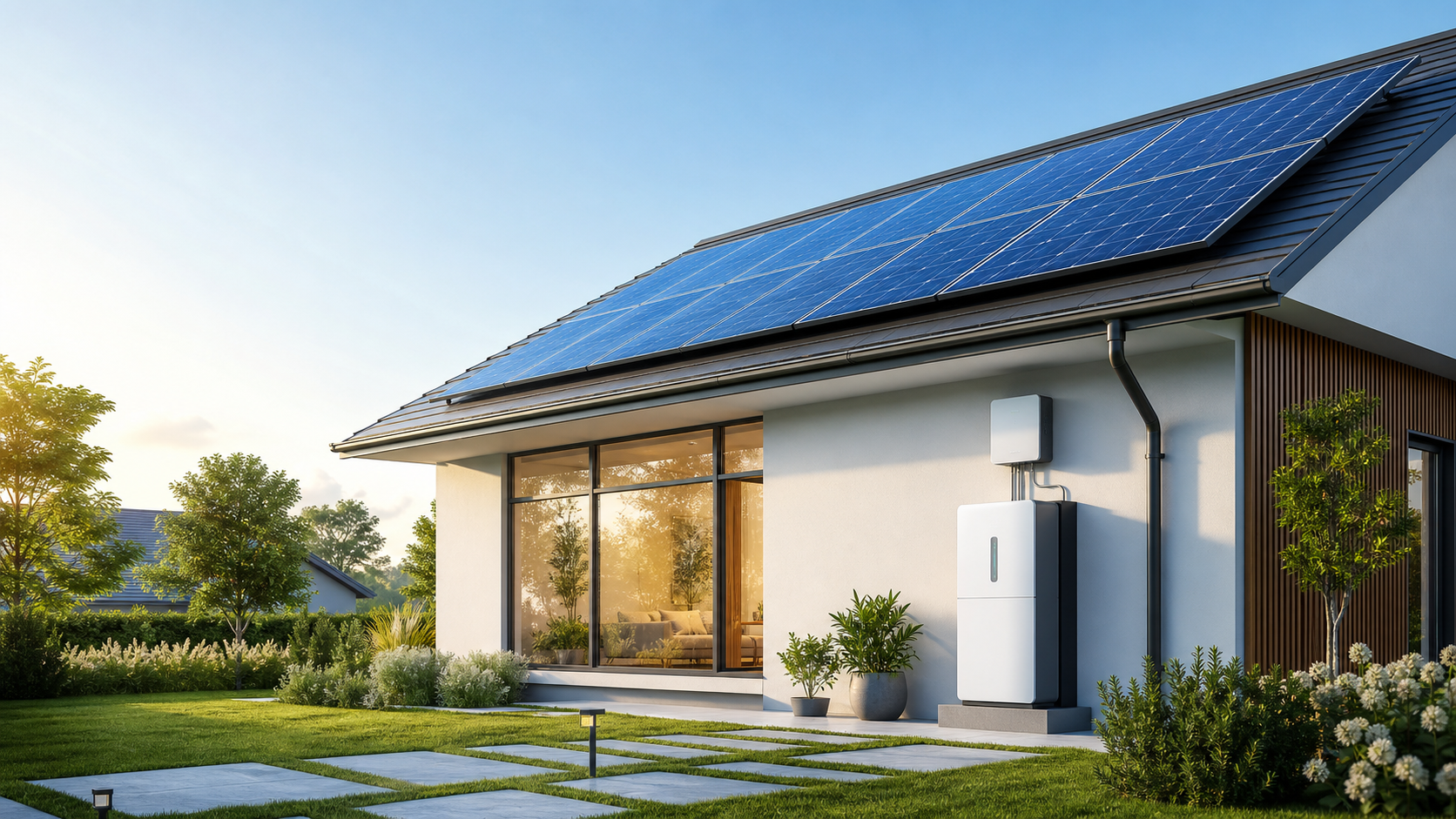
Home Solar Energy Basics Home solar energy can feel complicated at first, but the core idea is simple: panels capture sunlight, equipment converts it, and the household uses or stores the electricity. These facts explain the system in plain language for readers comparing cleaner home energy options.
14 Original Facts
- 01Solar panels produce direct current electricity, while most home appliances use alternating current.
- 02An inverter is the equipment that converts panel output into electricity a home can use.
- 03Panel performance depends on sunlight, roof angle, shading, temperature, and system design.
- 04A battery can store extra electricity for later use, but a solar system can also operate without battery storage.
- 05South-facing roof space is often useful in the Northern Hemisphere, though good design depends on the property.
- 06Shade from trees, chimneys, and neighboring buildings can reduce output from part of a solar array.
- 07Solar monitoring apps help homeowners see production patterns across days, months, and seasons.
- 08Panels usually produce more power during bright daytime hours than during early morning or evening.
- 09A solar installation should be designed around real energy use rather than only the available roof area.
- 10Electric bills can change after solar because timing of use, net metering rules, and utility plans all matter.
- 11Panel warranties and inverter warranties may have different lengths, so both should be reviewed.
- 12A clean electrical panel and safe roof condition make planning a home solar project easier.
- 13Solar energy pairs naturally with efficiency upgrades because using less electricity can make a smaller system more effective.
- 14A home solar quote is easier to compare when system size, expected production, equipment, warranties, and financing are listed clearly.