
A green roof can reduce rooftop surface temperatures by up to 40°C compared to a conventional dark roof.
Loading page
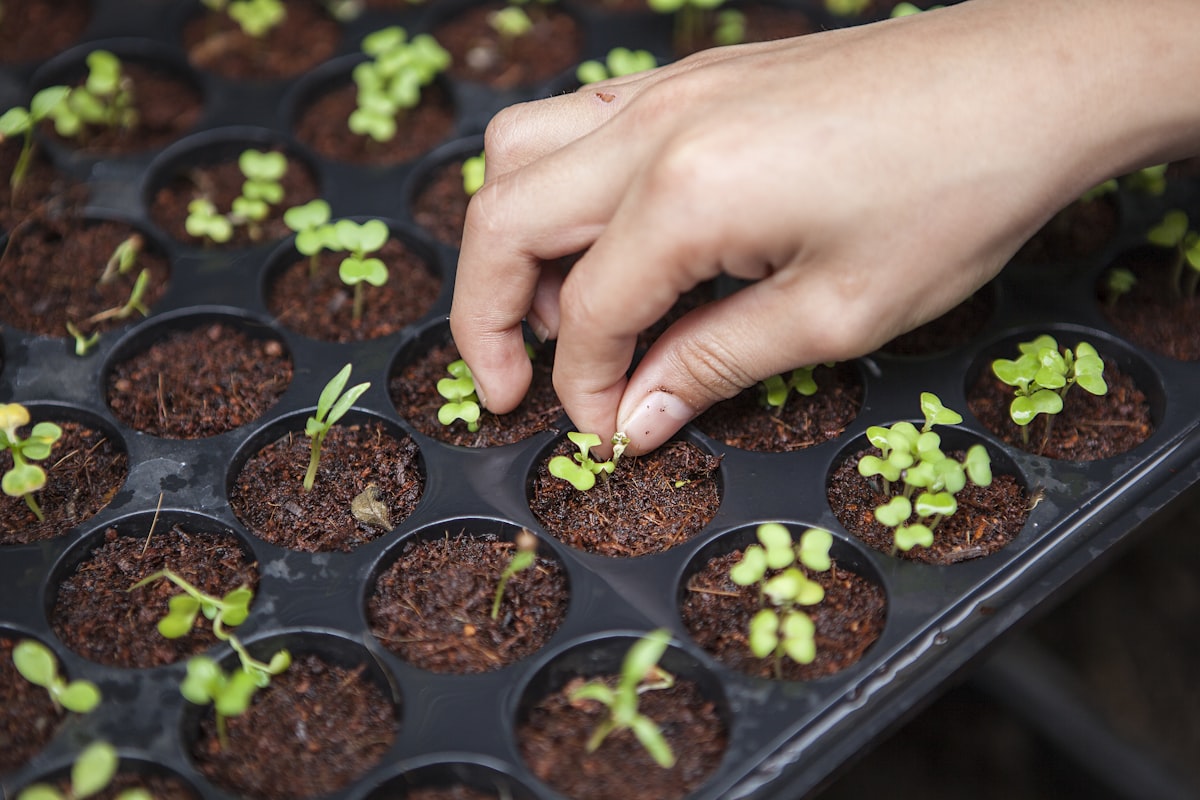
Rooftops were dead space for a century. Now they grow tomatoes, host bees and cool entire blocks. This guide digs into the engineering, ecology and economics behind the rooftop farming movement.
A green roof can reduce rooftop surface temperatures by up to 40°C compared to a conventional dark roof.
Rooftop gardens can cut a building's summer cooling energy use by 15–30% through insulation and evapotranspiration.
One square meter of green roof can retain 10–15 liters of stormwater, easing pressure on city drains.
Brooklyn Grange operates over 5.5 acres of rooftop farms in New York City, among the largest in the world.
Rooftop soil beds are typically lightweight engineered mixes weighing 60–70% less than regular garden soil.
Green roofs can double the lifespan of a waterproof roof membrane by shielding it from UV and thermal shock.
Rooftop farms can yield 4–8 kg of produce per square meter per year with intensive planting.
Toronto's green-roof bylaw requires many new developments to cover 20–60% of available roof space with vegetation.
Rooftop gardens support pollinators — studies have found dozens of bee species foraging six stories above street level.
A 1,000 sq ft rooftop garden can absorb roughly 250 kg of CO2 per year depending on planting density.
Green roofs reduce the urban heat island effect, with neighborhoods measuring 1–3°C cooler near dense installations.
Rooftop greenhouses use up to 90% less water than field farming by recapturing condensation and runoff.
Montreal's Lufa Farms runs commercial hydroponic rooftop greenhouses harvesting 50+ crop varieties year-round.
Sedum mats, a popular extensive green-roof plant, can survive weeks without irrigation once established.
Rooftop gardens reduce airborne particulates — vegetation can trap up to 20% of local dust and smog particles.
Buildings with accessible rooftop gardens report higher tenant retention and rental premiums of 7–15%.
Container depth matters because shallow planters dry out faster and limit what root systems can do.
Wind is stronger on many roofs than at street level, so rooftop plants often need sturdy supports and wind-tolerant species.
Drainage planning is essential because standing water can damage surfaces and stress plant roots.
Small rooftop gardens often begin with herbs because herbs are compact, useful, fragrant, and easy to harvest in small amounts.

A clear guide to panels, inverters, battery storage and everyday clean power choices.

Precision ovens, induction tech, smart water valves and automations that make cooking calmer and cleaner.