
01Food & Harvest
in 4 months
Chinese New Year
🇨🇳BeijingChina
Feb 17 – Mar 3, 2027 · 16 daysExplore

The new year on the day the light wins.
Dates
21 March – 24 March 2027
Location
Central Iran, Iran
Duration
5 days
Thirteen days of visiting, beginning the moment the sun crosses the equator. The haft-sin table is set before it does.
Nowruz falls on the spring equinox, and it is observed from the Balkans to Xinjiang by an estimated 300 million people. It was inscribed by UNESCO in 2010 and is an official UN observance.
In Iran the celebrations run thirteen days. On the thirteenth, sizdah bedar, everyone goes outside — parks fill, grass is sat on, and the sabzeh grown on the haft-sin table is thrown into running water.
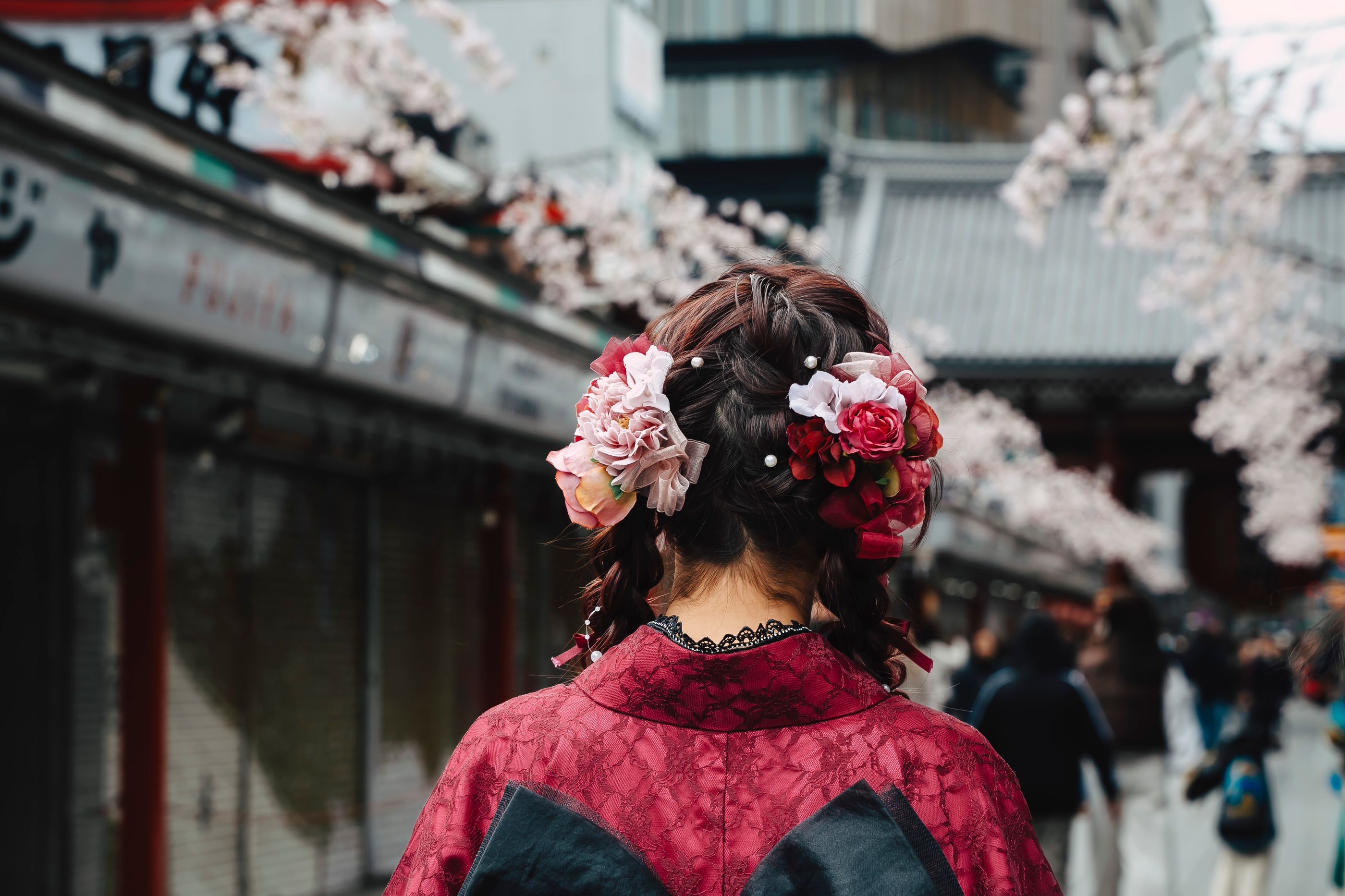
Haft-sin — seven items beginning with the Persian letter sin, arranged on a cloth. Chaharshanbe Suri — jumping fire on the last Wednesday eve of the old year.

Sabzi polo mahi: herbed rice with white fish, the first meal of the new year.

Traditional Persian classical repertoire, and the improvisational avaz. Street celebration uses dammam drums and the Kurdish/Bakhtiari folk traditions; Nowruz TV specials run for two weeks.
Back to top
Nowruz is Zoroastrian in origin, tied to the spring equinox and the figure of Jamshid. It pre-dates Islam in Iran and survived conversion by being re-coded as a cultural rather than religious occasion.
Back to top
The festival is at least 3,000 years old and is documented in the Achaemenid period as a tribute ceremony at Persepolis. It survived Arab conquest, Mongol invasion and three revolutions, and was added to UNESCO's heritage list in 2010.
Back to top5 images · Isfahan · 2027

Spring tribute ceremonies at Persepolis establish the festival's scale.
Nowruz survives the Arab conquest by shifting from rite to cultural date.
Nowruz is inscribed on the Representative List of Intangible Cultural Heritage.
Observed across Iran, Afghanistan, Central Asia, the Caucasus and the diaspora.

Destination
Isfahan
Central Iran, Iran
Isfahan is a one-hour domestic flight from Tehran, or 6 hours by train.
Naqsh-e Jahan square at the equinox moment; the Chaharshanbe Suri fire night beforehand.
Iranian visas take time. Apply through an agency at least eight weeks in advance.
Dates
21 March – 24 March 2027
5 days · 300 million observers
The questions people ask most often about Nowruz.
The moment of the spring equinox — which can be 20 or 21 March, at an exact local time.
Other festivals filed under food & harvest and zoroastrian.