

01Festival of Lights
in 39 days
Diwali
🇮🇳JaipurIndia
Nov 8–9, 2026 · 3 daysExplore

The spring festival of colour, thrown by hand.
Dates
3 March – 4 March 2027
Location
Uttar Pradesh, India
Duration
3 days
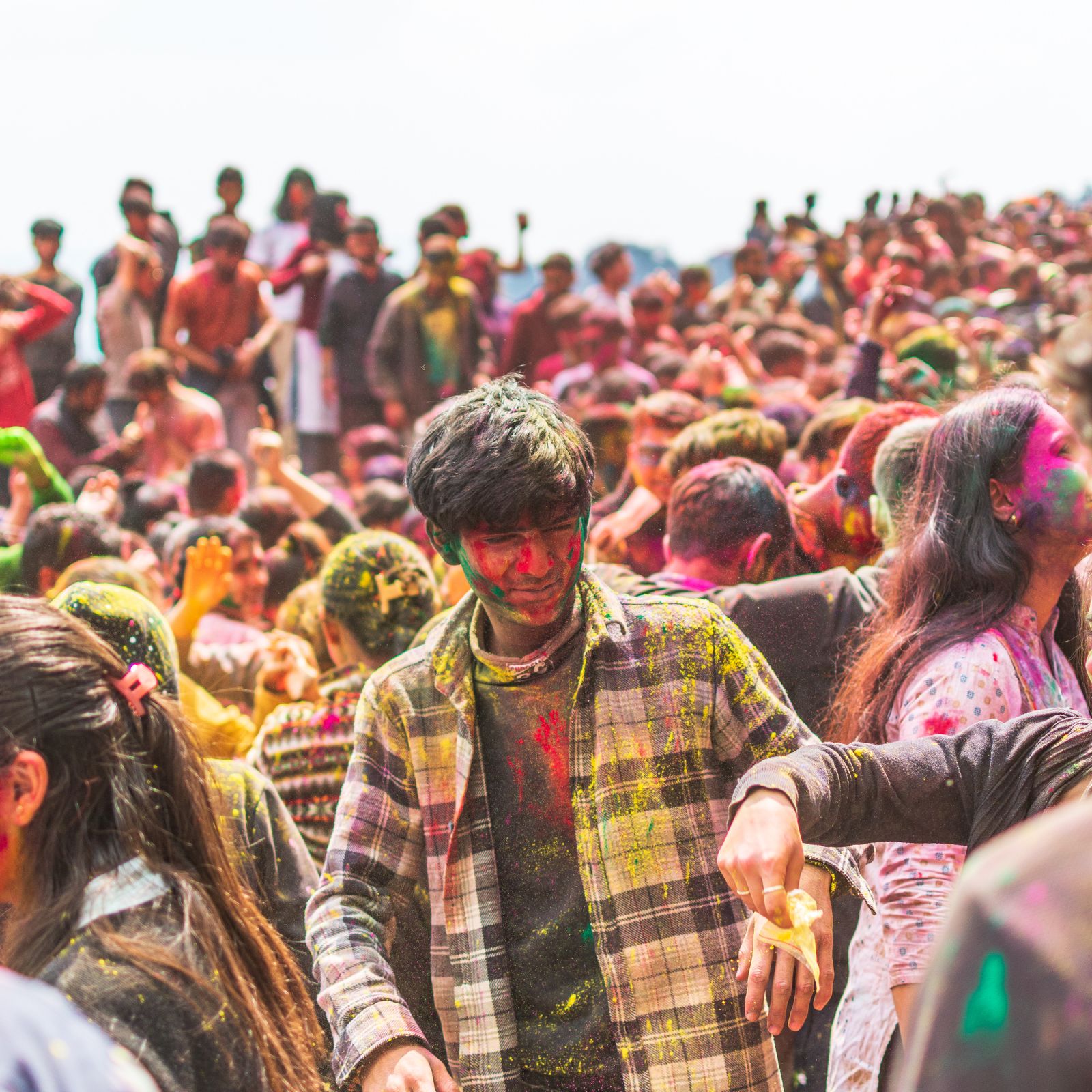
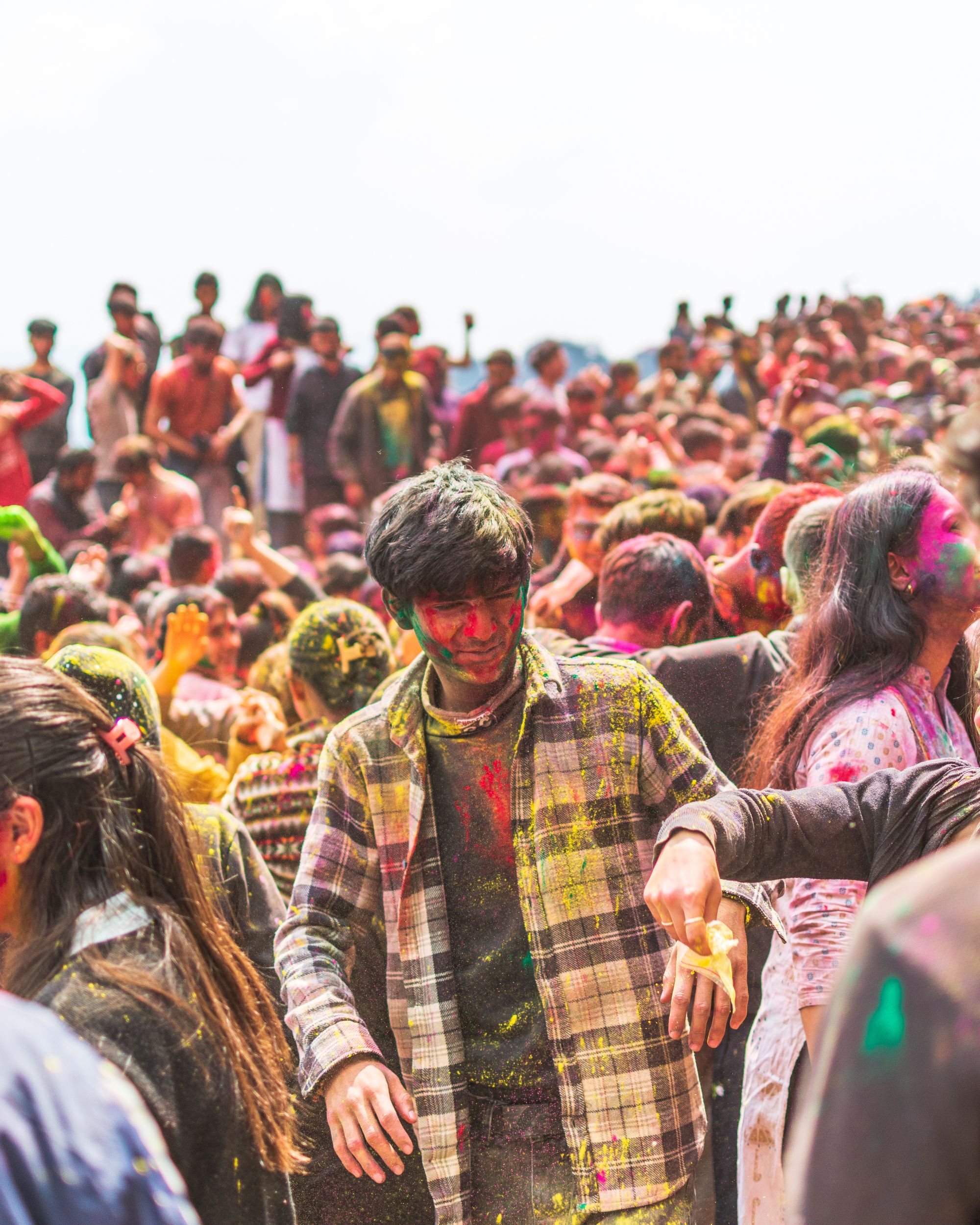
For one day the caste map of an Indian town is overwritten in magenta, turmeric and indigo. Holi is the only festival where it is socially mandatory to ruin a stranger's clothes.
Holi falls on the last full moon of the Hindu lunar month Phalguna. The night before, a bonfire is lit for Holika — a ritual reminder that devotion survives fire. The morning after, the fire is forgotten and the pigment begins.
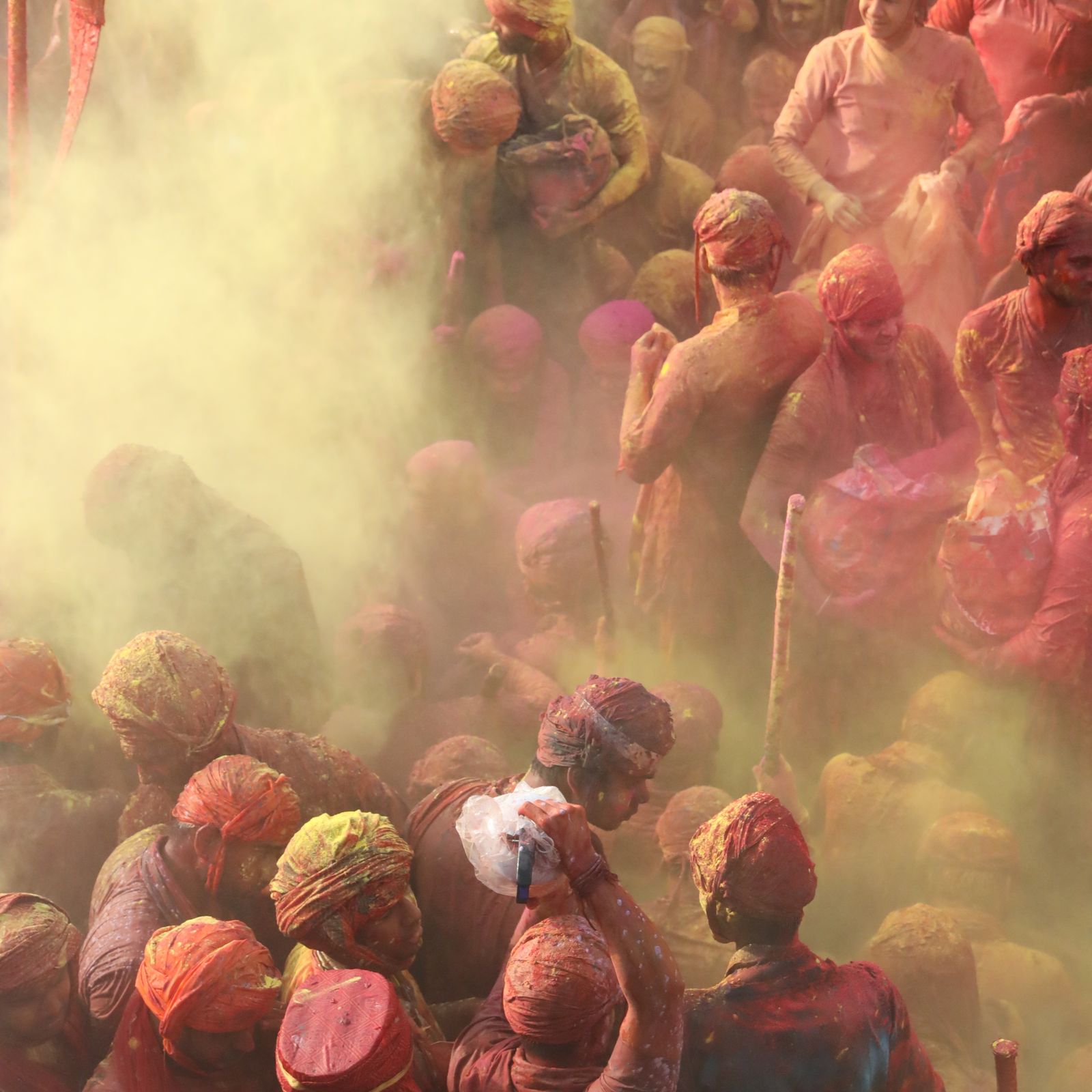
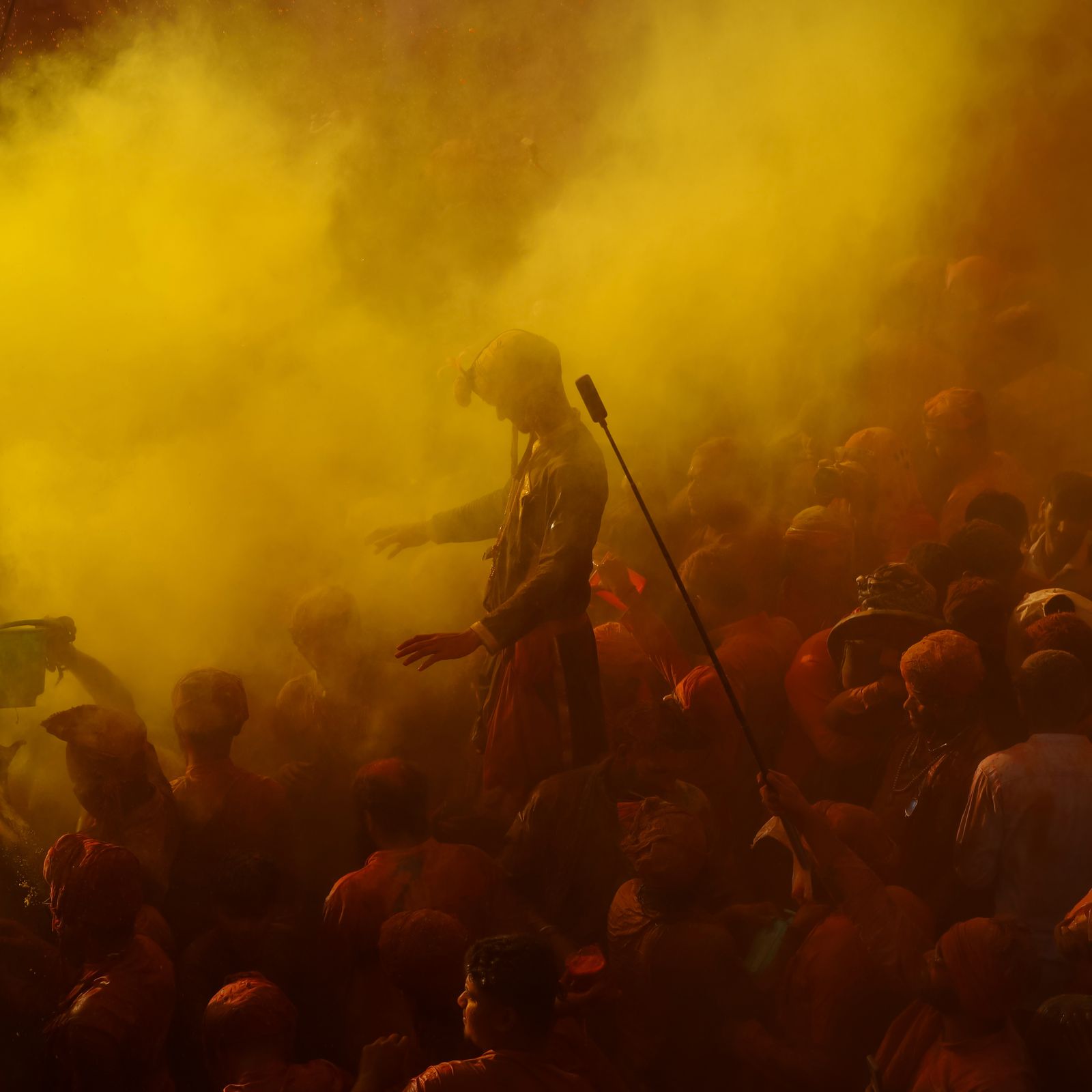
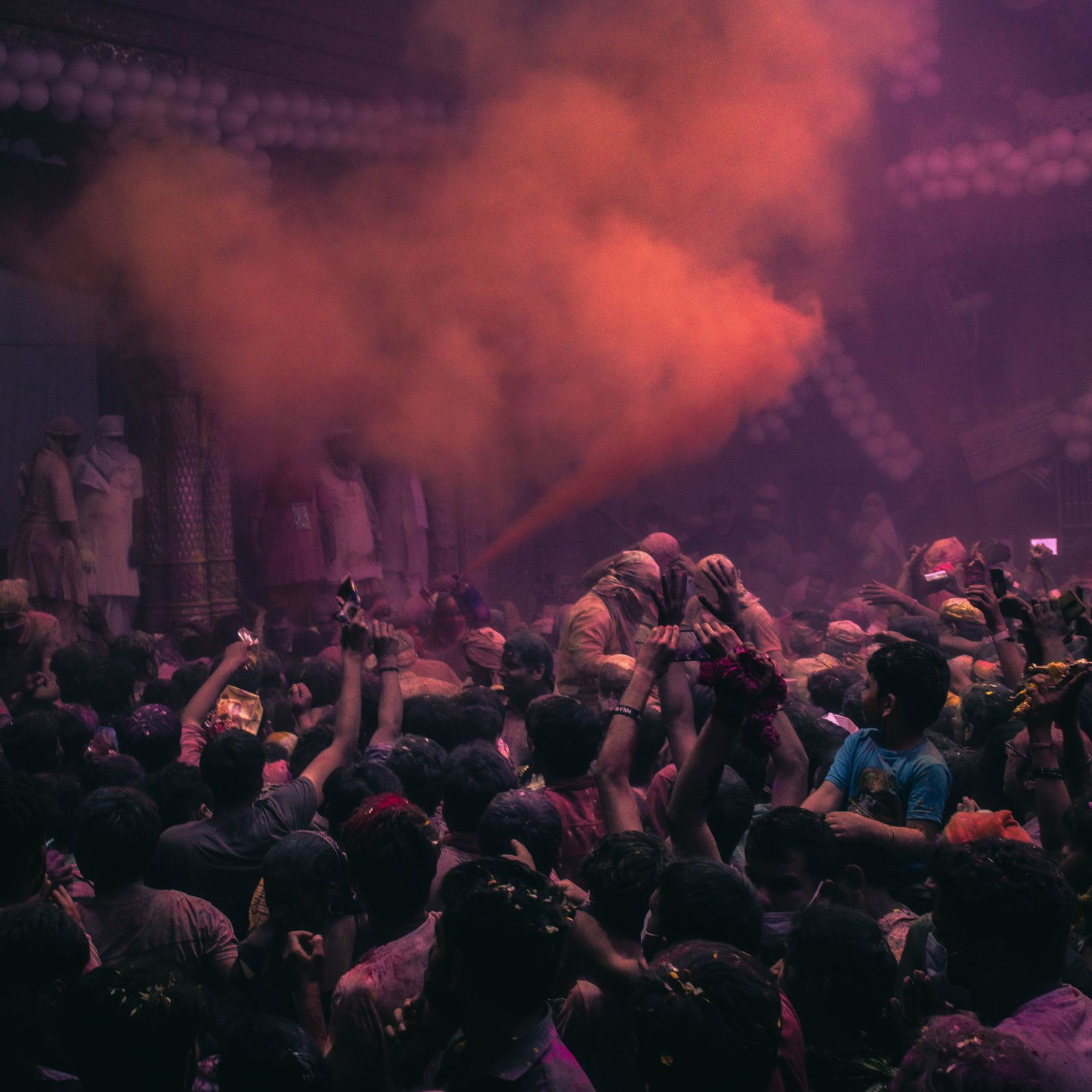
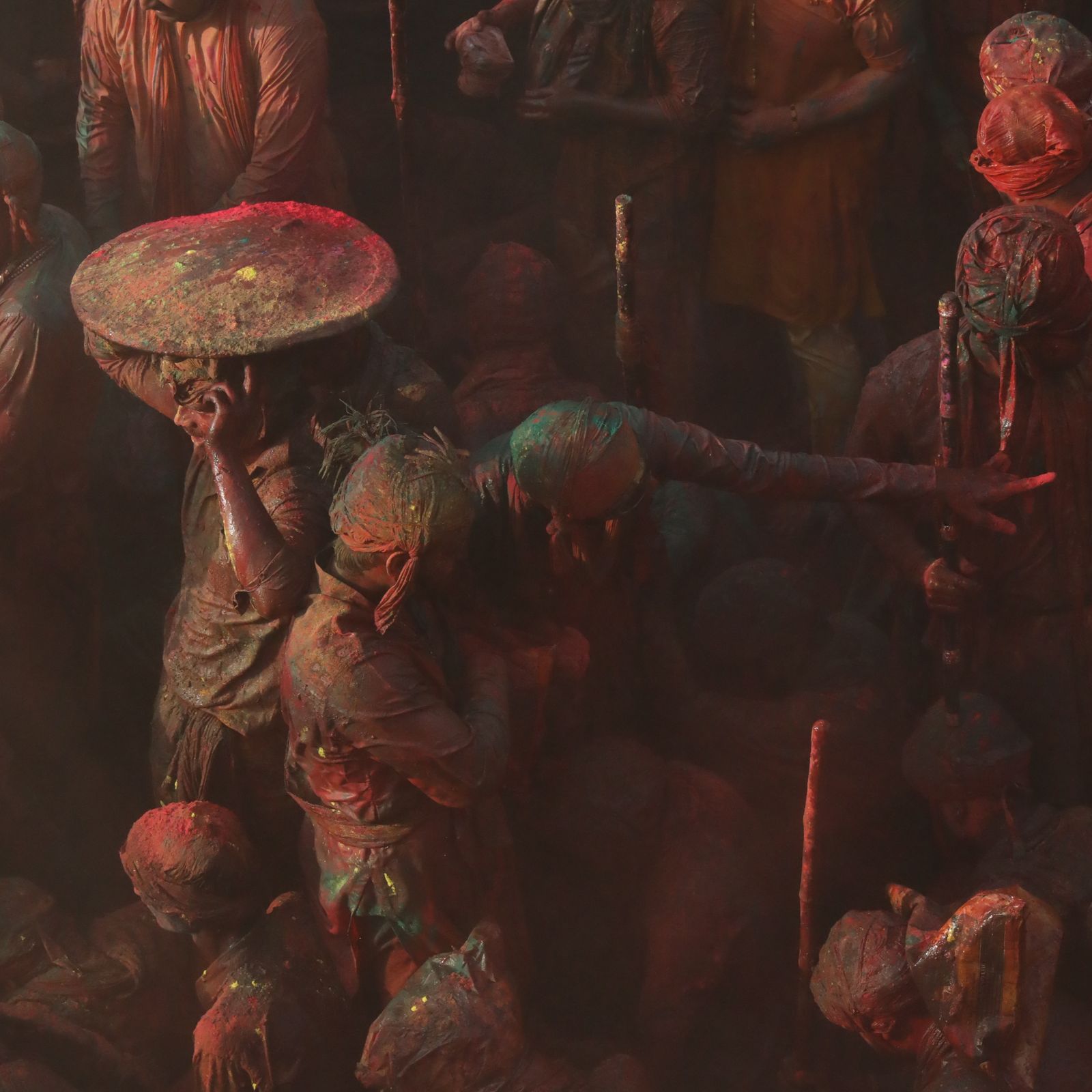
In Mathura and Vrindavan, Krishna's birthplace, the festival runs for more than a week. Temples smear guests on arrival; women form processions carrying lathis of cloth and song; by mid-afternoon the streets are ankle-deep in coloured powder and nobody is recognisable.
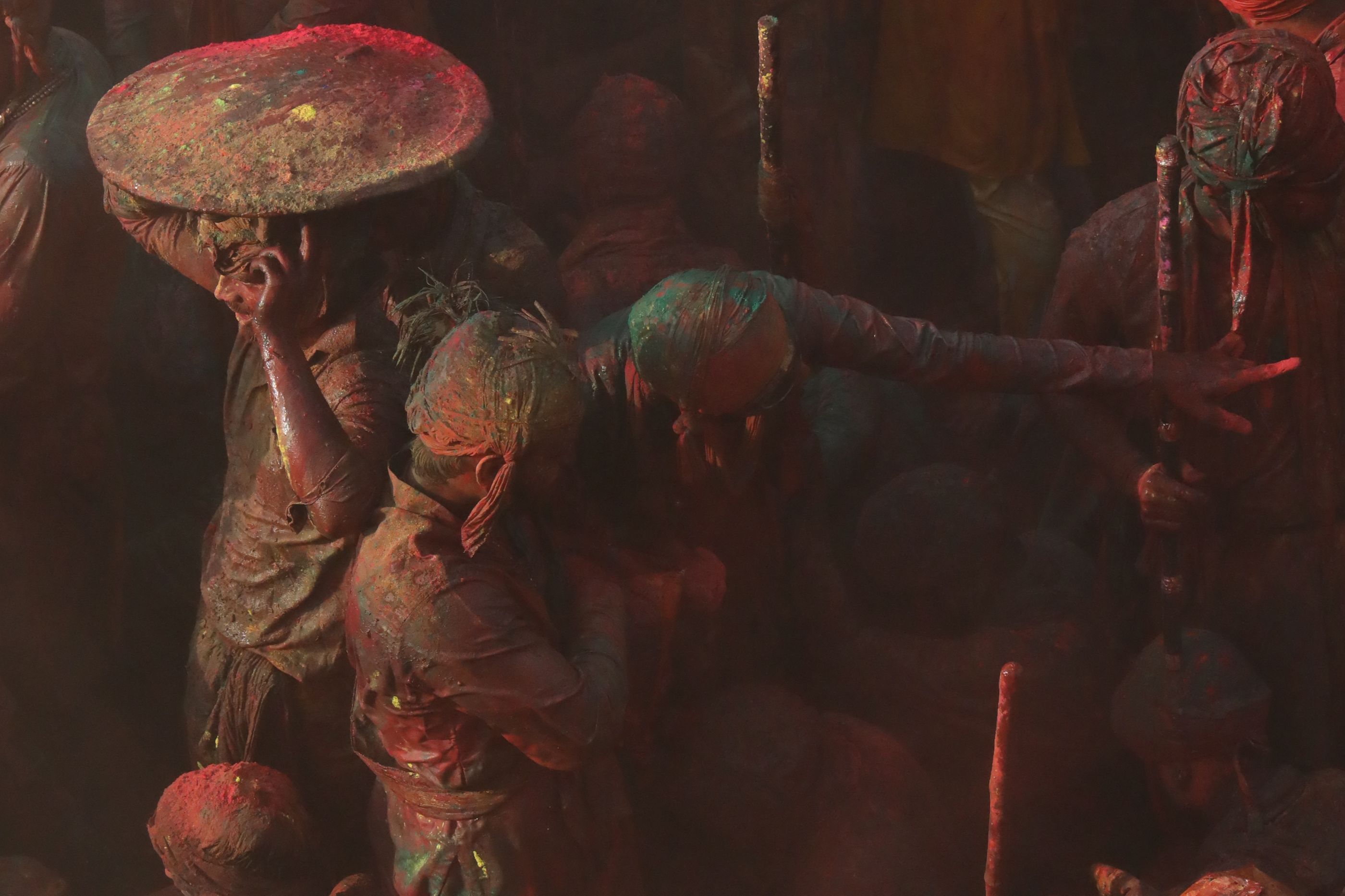
Holika Dahan — the bonfire lit at dusk on the eve of the full moon. Rangapanchami — the second morning, when dry powder replaces water entirely.
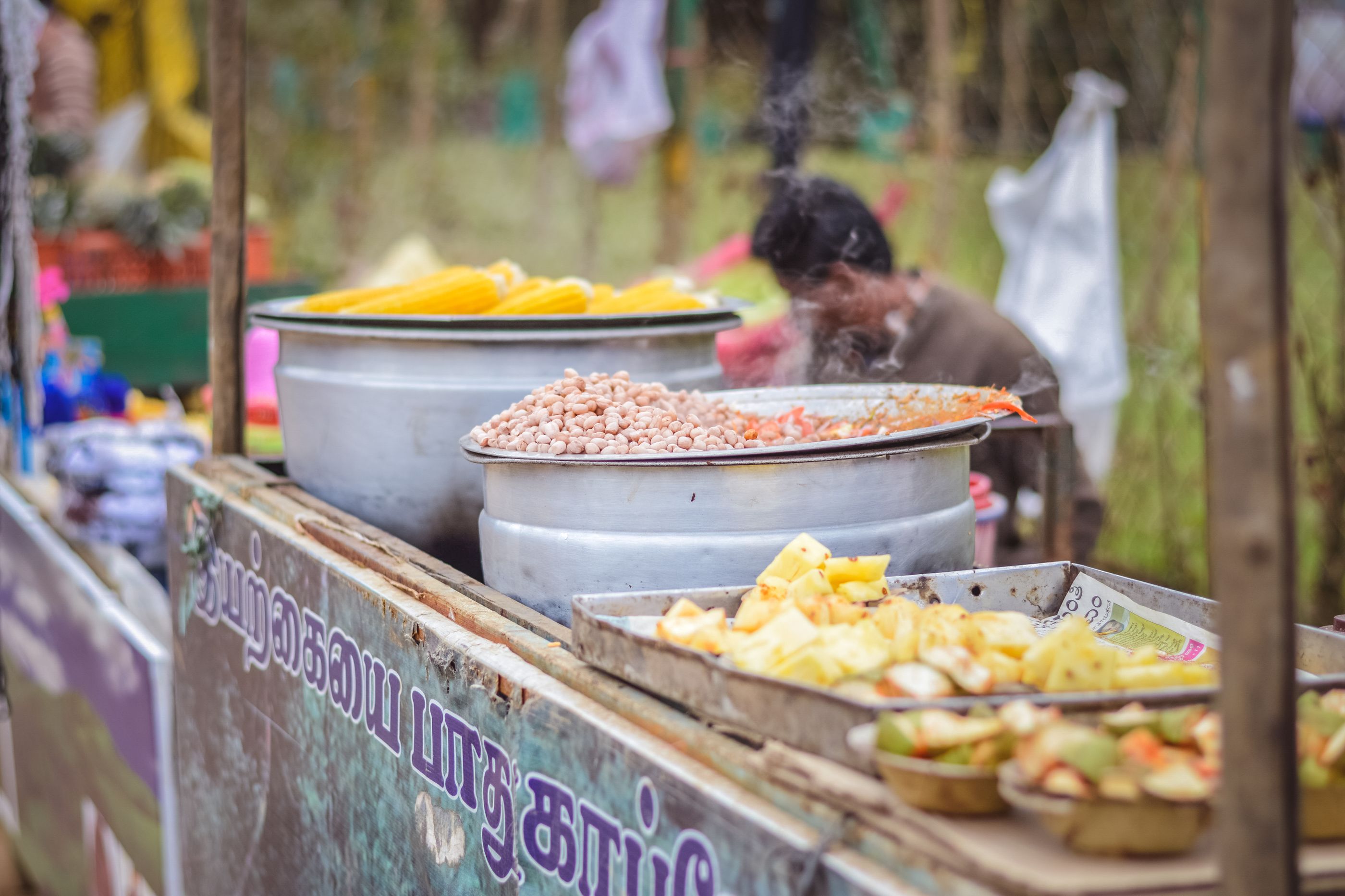
Gujiya — half-moon pastries of khoya and cardamom, fried and dipped in syrup.

Dholak, manjira and the eternal Holi repertoire of Bollywood playback — 'Rang Barse' on every speaker from Amritsar to Ahmedabad. In the Braj region, temple drums replace electronics entirely and the singing is in Brajbhasha.
Back to top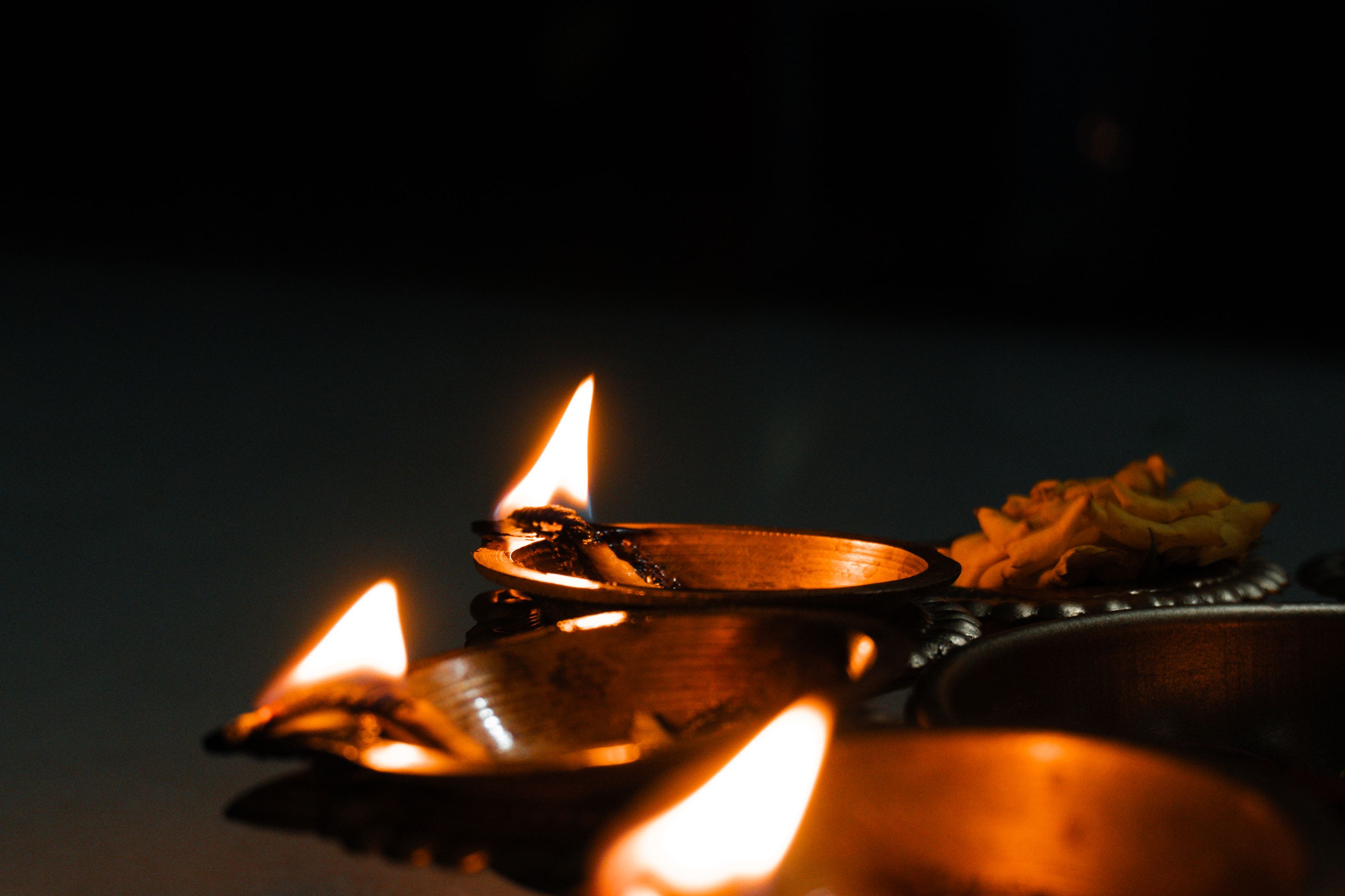
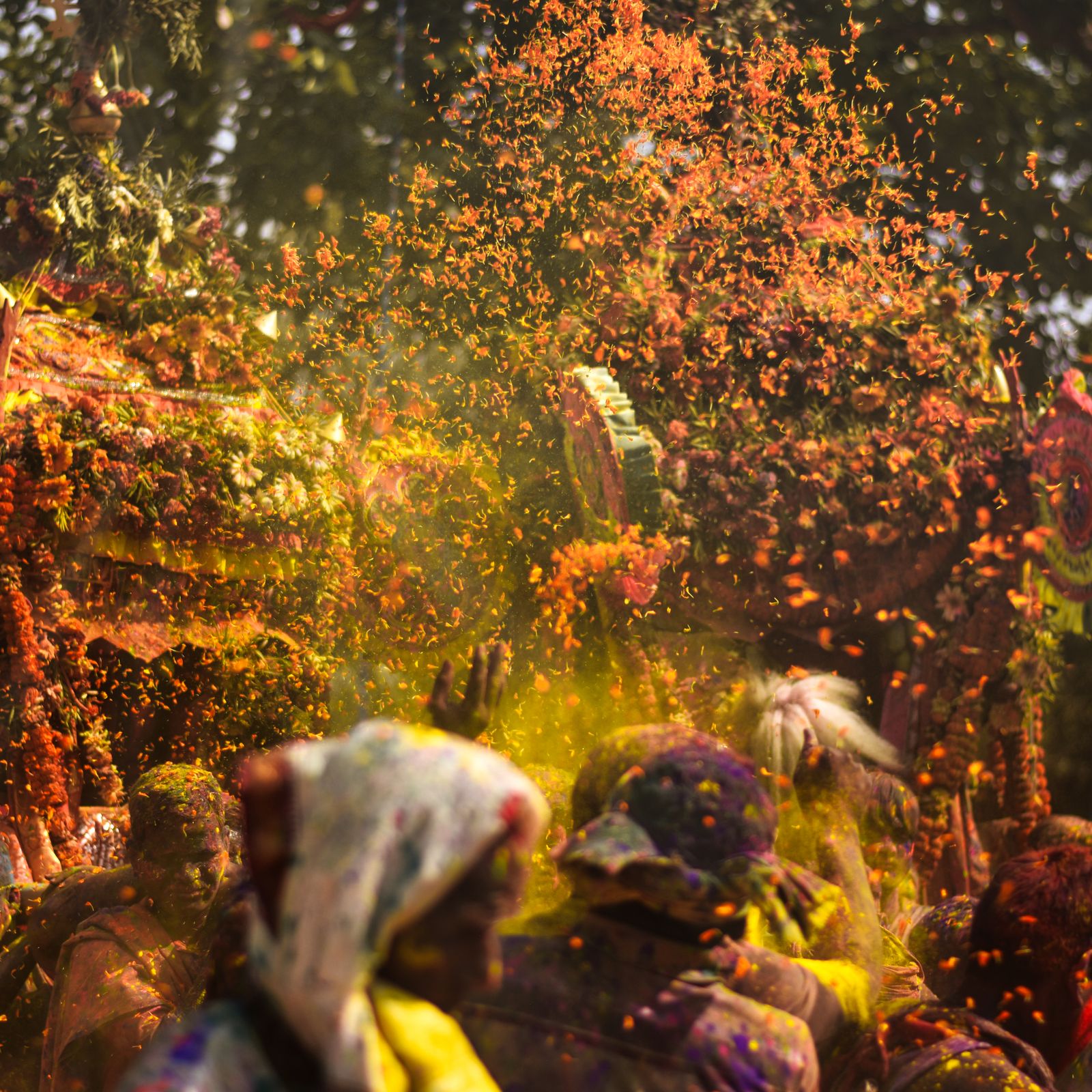
The festival sits inside Vaishnavism's retelling of Krishna and Radha: the story goes that Krishna, anxious about his dark skin, painted Radha's face to match his own. Every handful of gulal thrown is a re-enactment of that permission.
Back to top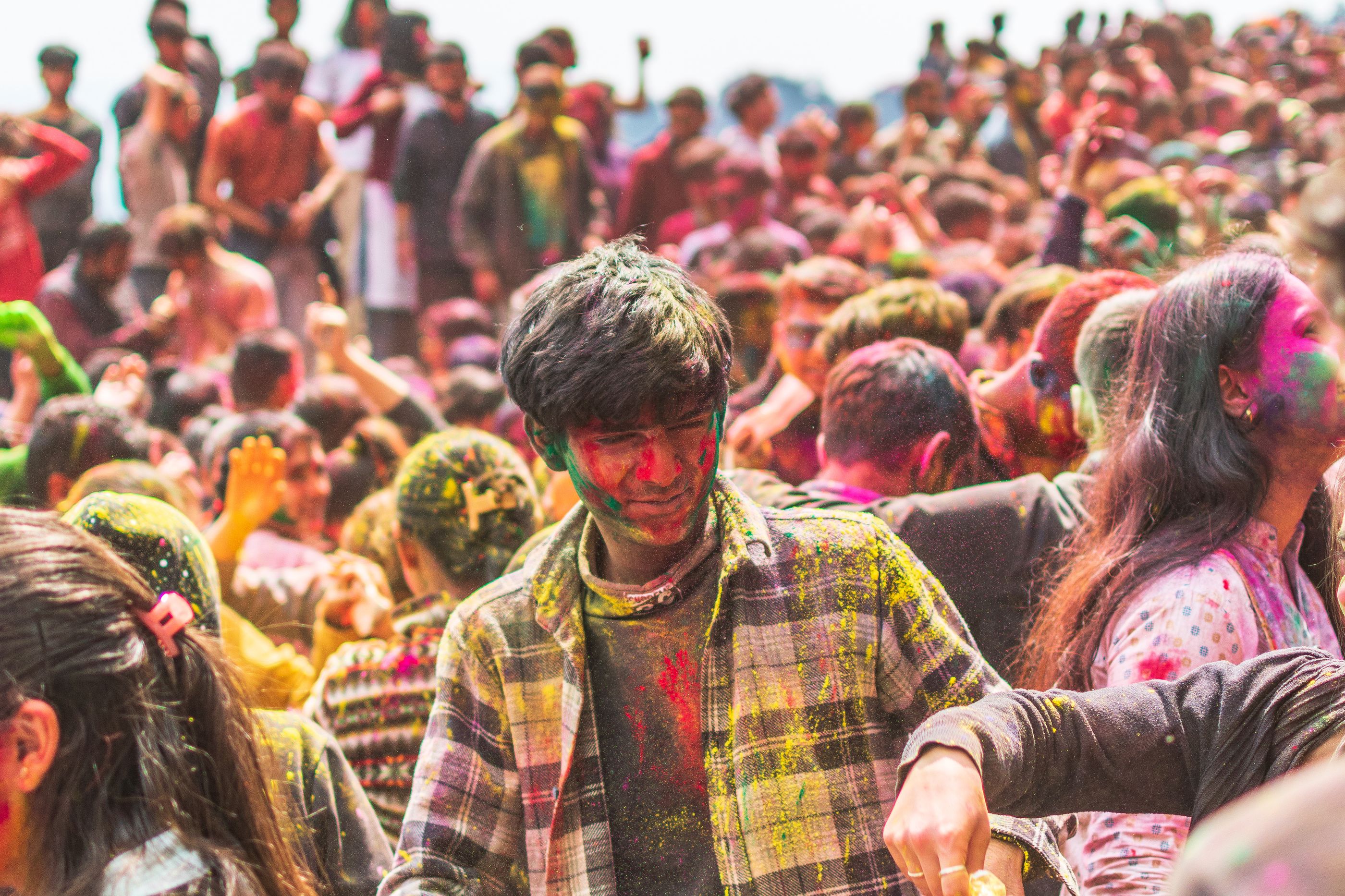
References to a spring colour rite appear in the Puranas and in the seventh-century Ratnavali. The Mughal courts adopted Holi wholesale — Emperor Akbar banned it only after breaking a hip, and Aurangzeb re-banned it in 1665. Delhi's artists revived it publicly in the twentieth century and it has not stopped spreading since.
Back to top6 images · Mathura · 2027
Spring colour rites described in the Brahma Vaivarta Purana and early Nataka drama.
Holi celebrated at Fatehpur Sikri with eunuchs, poets and gallons of coloured water.
Aurangzeb bans public Holi; celebrations move into private courtyards for a century.
Colour runs are now staged on six continents, most of them in the northern spring.
Destination
Mathura
Uttar Pradesh, India
Agra is the nearest airport to Mathura/Vrindavan, roughly 60 km. Delhi to Mathura is a 2.5-hour express train.
Arrive two days early. Holika Dahan the night before is the calmest, most photogenic entry point.
Wear white and expect to bin it. Protect cameras with a rain sleeve and carry nothing you value.
Dates
3 March – 4 March 2027
3 days · Millions across India
The questions people ask most often about Holi.
In temple towns yes, but agree boundaries. Use organic colours where you can, keep your mouth closed around water balloons, and never go out alone after dark.
Other festivals filed under colour & powder and hindu.