
01Food & Harvest
Live now
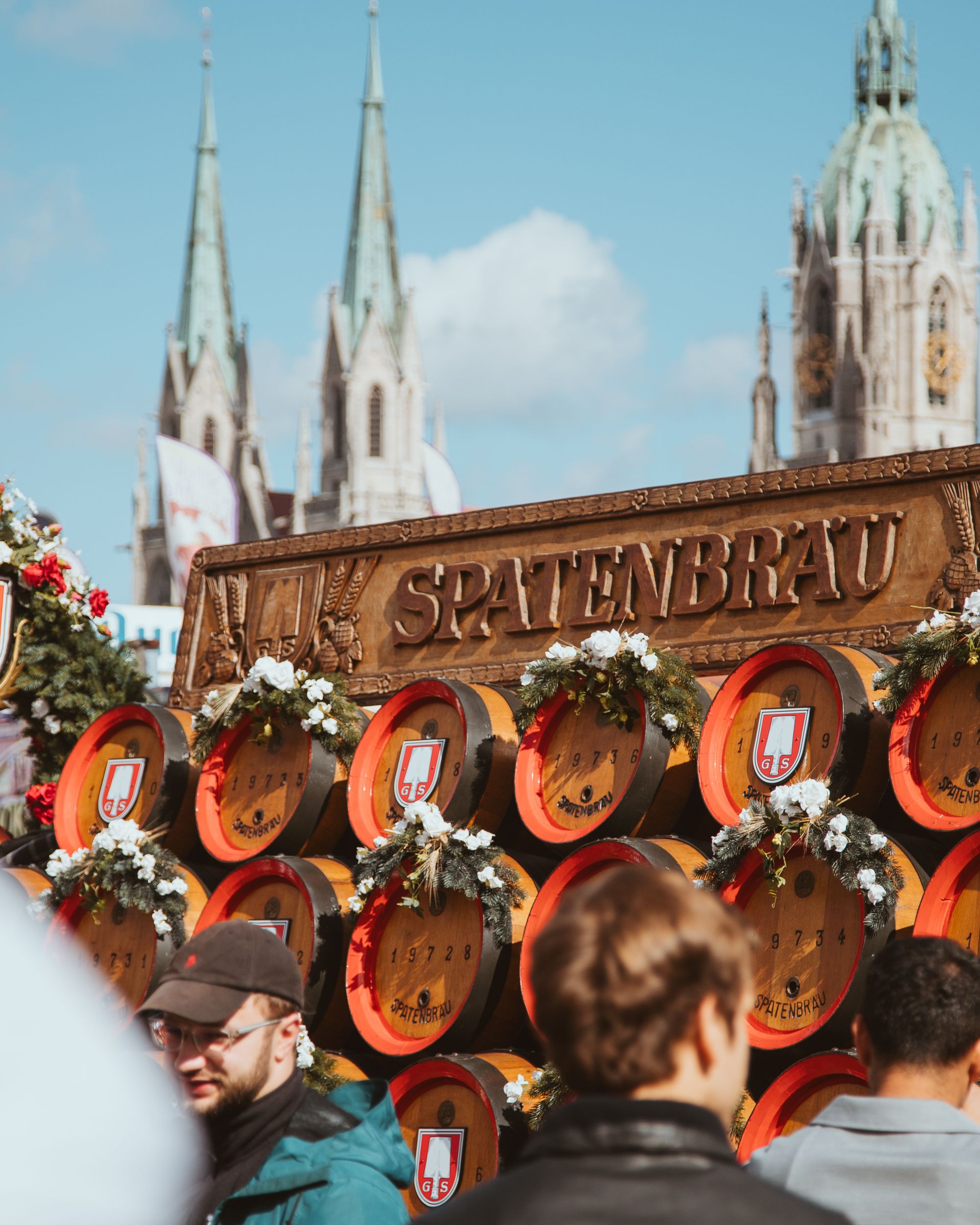
Oktoberfest
🇩🇪MunichGermany
Sep 19 – Oct 4, 2026 · 17 daysExplore

The largest annual migration of human beings on earth.
Dates
17 February – 3 March 2027
Location
Municipality, China
Duration
16 days
Roughly three billion journeys are made in the six weeks around it. The festival is not really about the fireworks — it is about who you are sitting next to.
The new year is the second new moon after the winter solstice, which puts it between 21 January and 20 February. Each year takes one of twelve animals and one of five elements; the cycle repeats every sixty years.
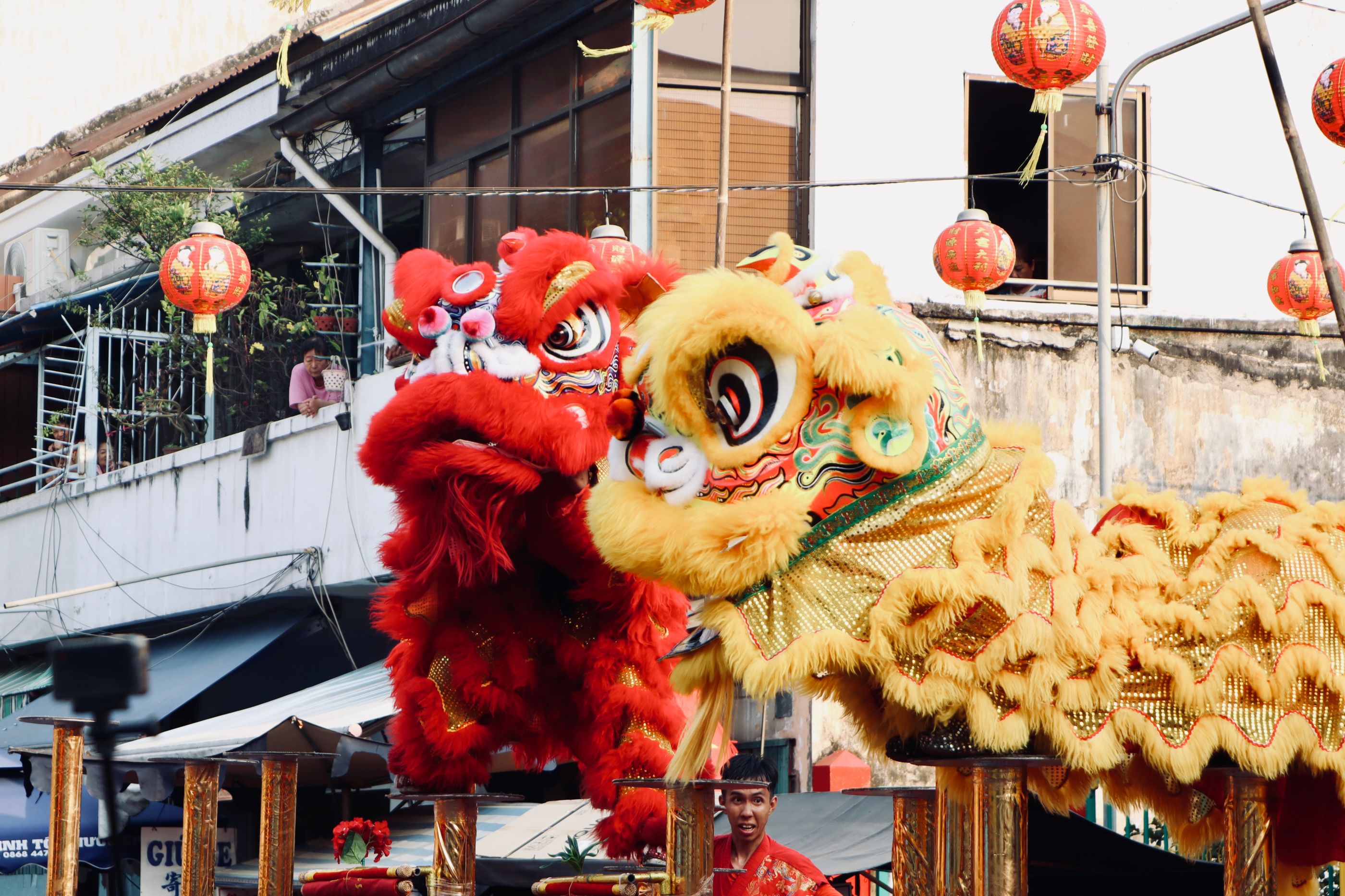
Public celebration runs fifteen days, closing with the Lantern Festival on the first full moon. In Beijing the temple fairs — Ditan, Longtan, Changdian — reopen for the whole fortnight with acrobats, snacks and puppet theatre.
Red envelopes (hongbao) — cash given by elders, digitally as often as on paper now. Reunion dinner on new year's eve, with dishes chosen for their homophones.

Fish (yú, surplus), dumplings (yuán, ingot-shaped), nian gao (rising year).

Gongs and firecrackers rather than melody. Temple fairs use guban and suona; the soundtrack of the modern holiday is the same two Cantopop standards played in every shopping mall for three weeks.
Back to top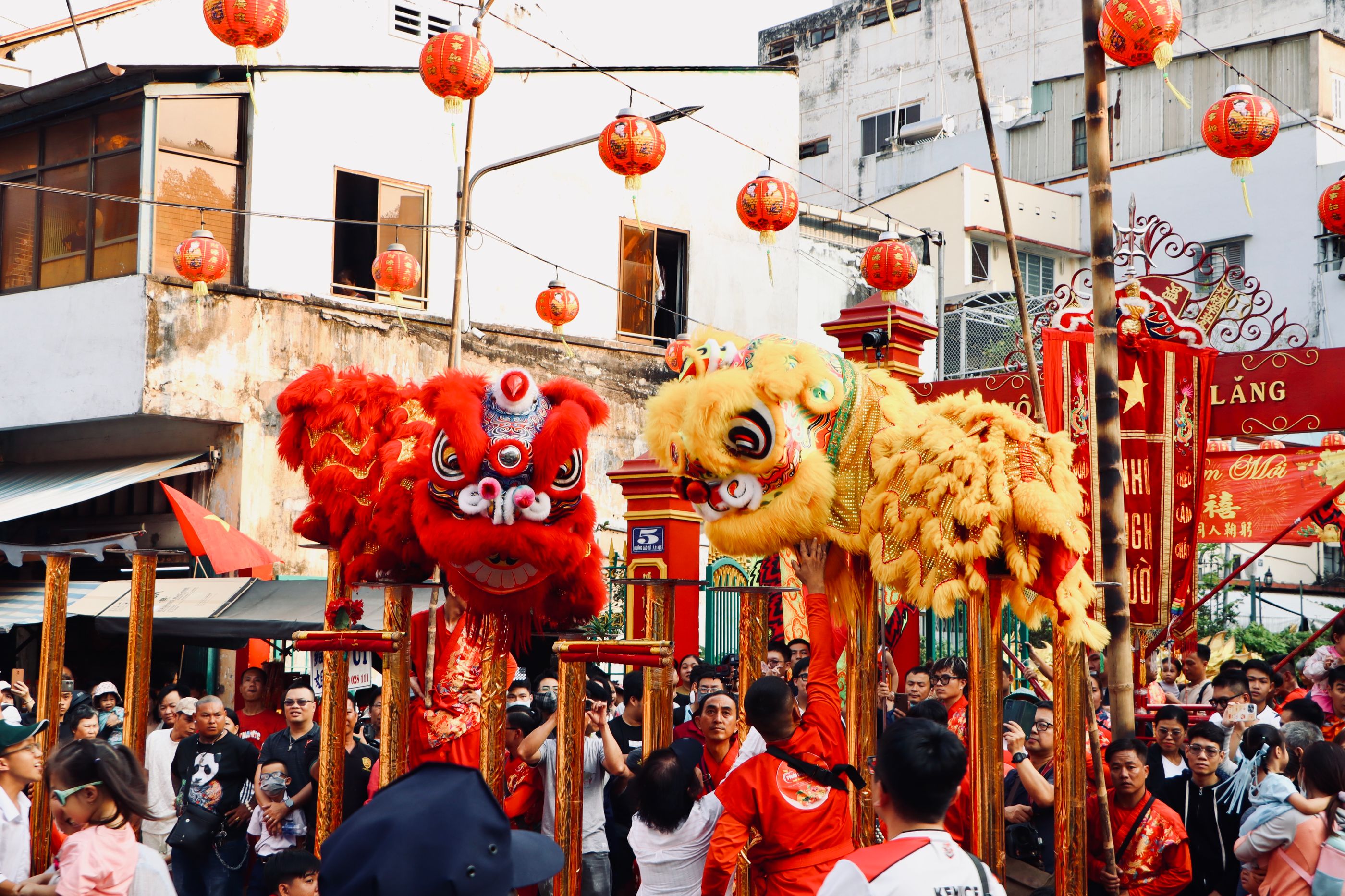
The opening ritual is a household one: offerings to the kitchen god, whose paper effigy is burned so he can report to the Jade Emperor, then replaced on new year's day so he returns with good news.
Back to top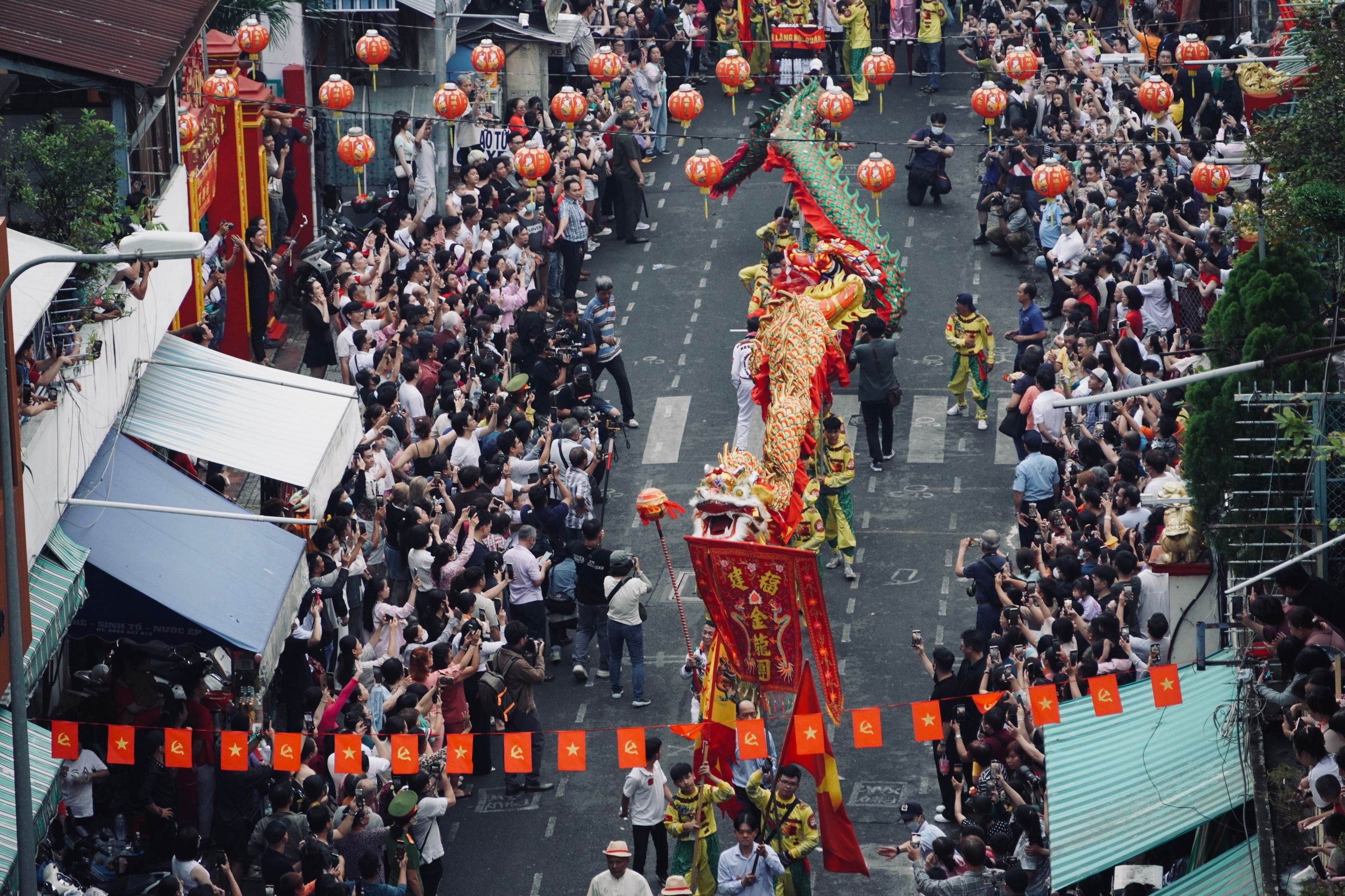
The holiday's structure is Shang and Zhou dynasty in origin; the firecracker element arrived with gunpowder in the Tang. In 1912 the Republic tried to move the new year to 1 January. In 1928 it was banned outright, and reinstated in 1949 — by then the migration had become irreversible.
Back to top6 images · Beijing · 2027

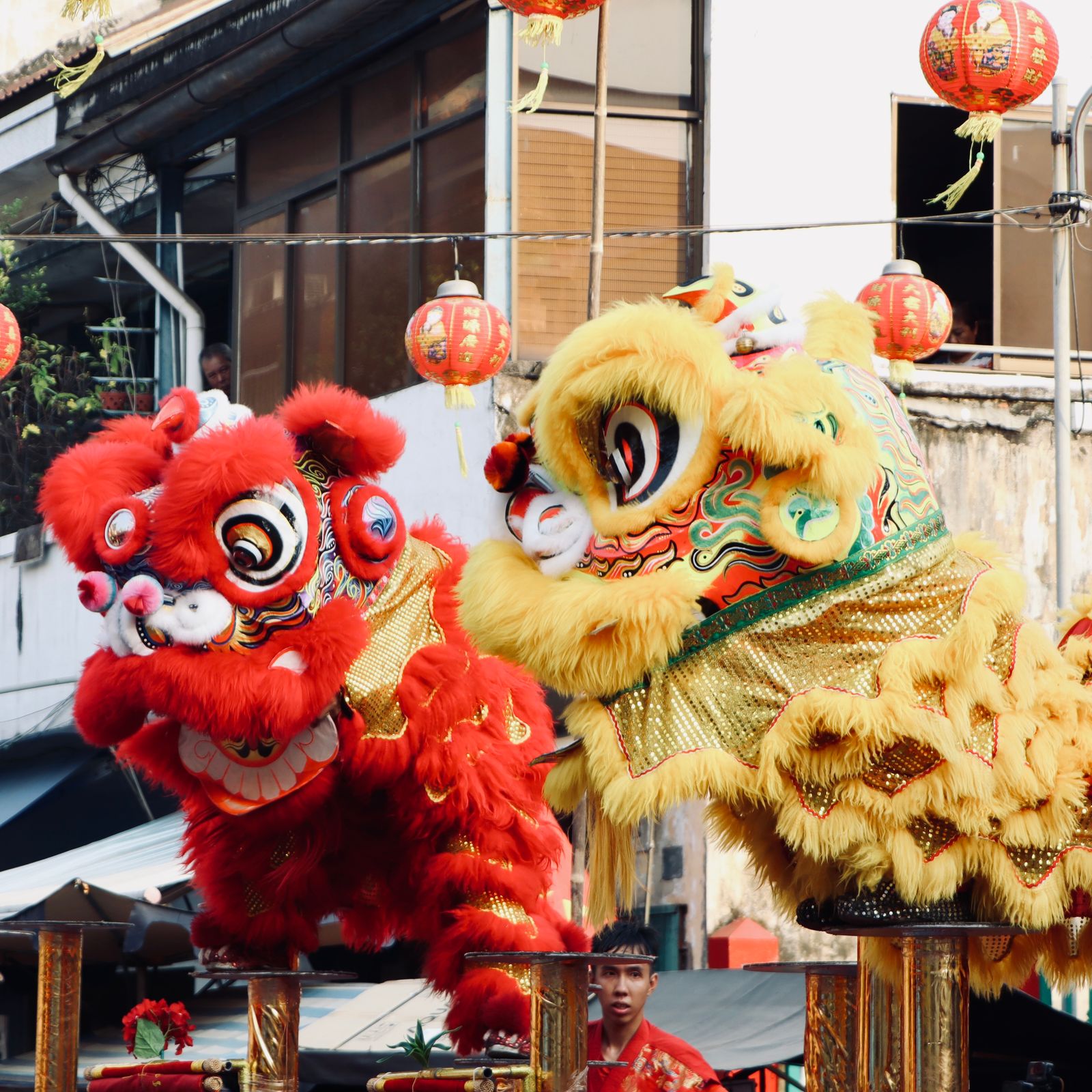
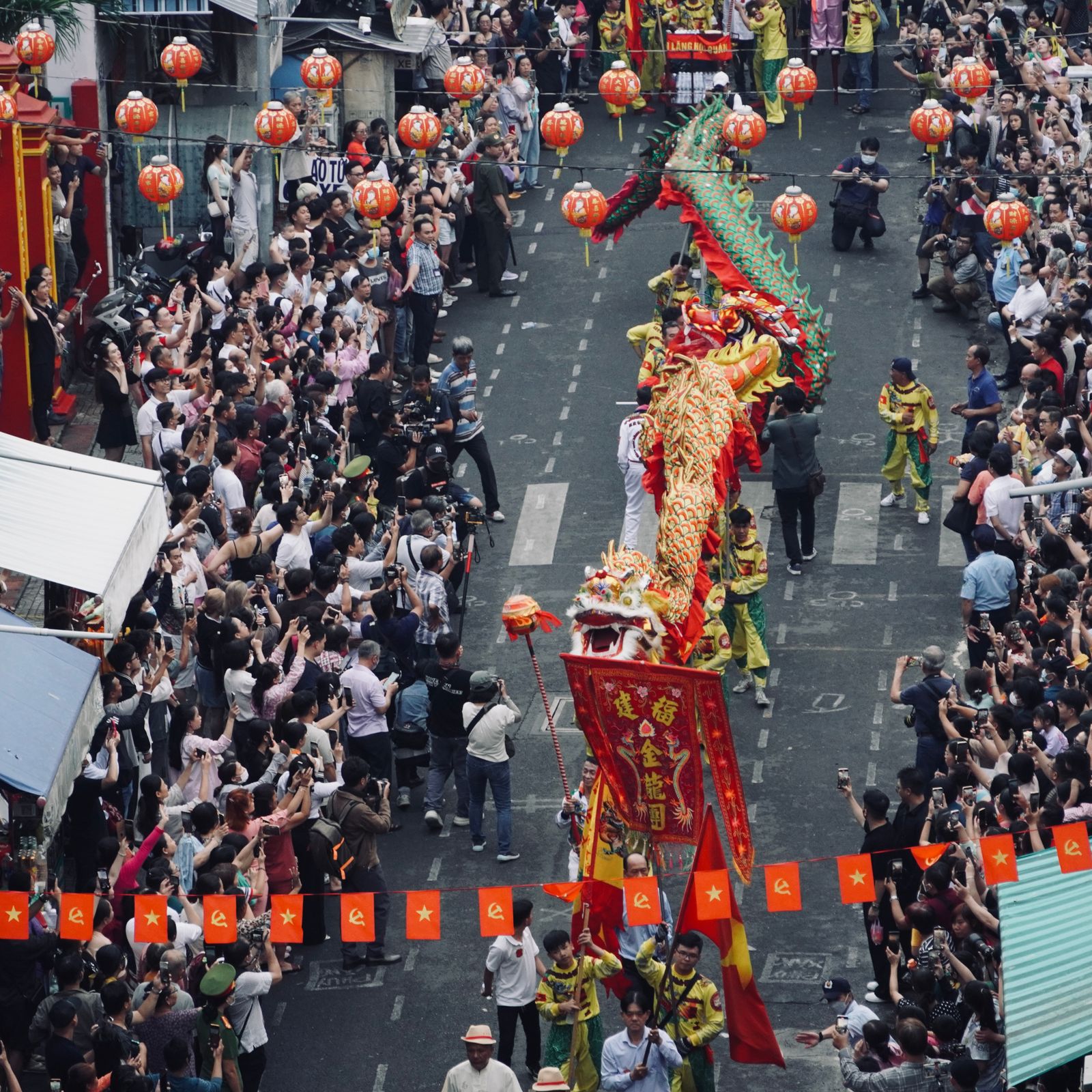
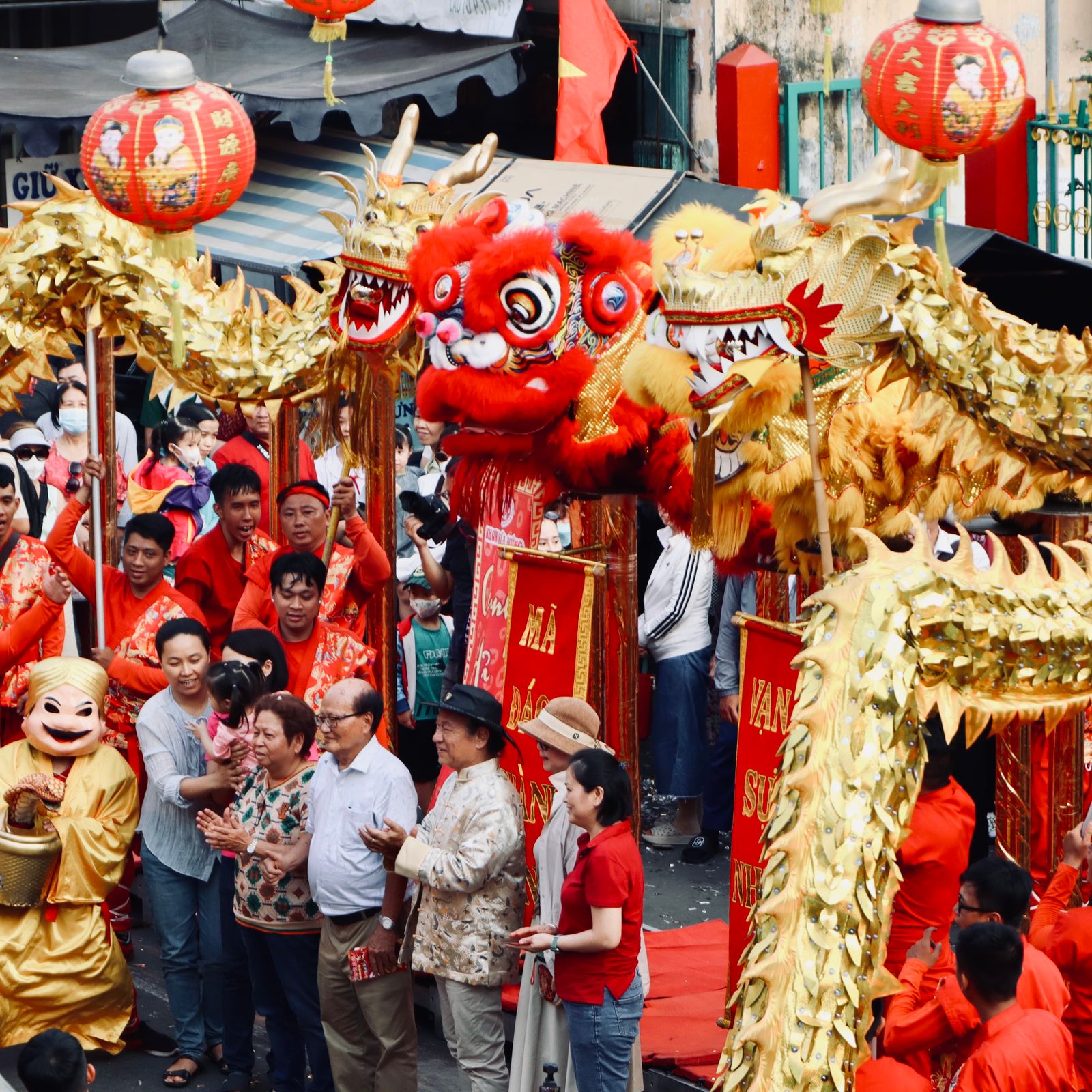
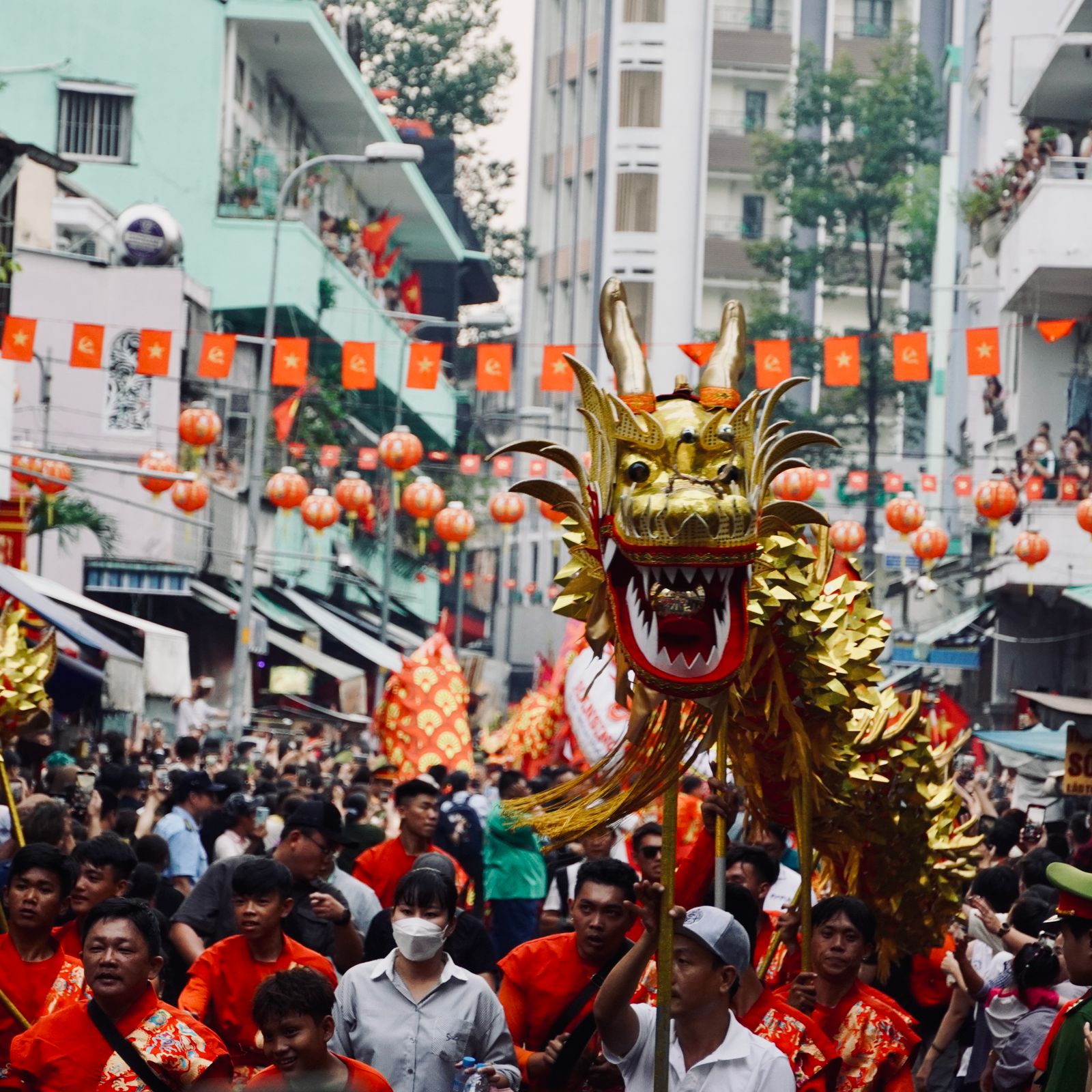
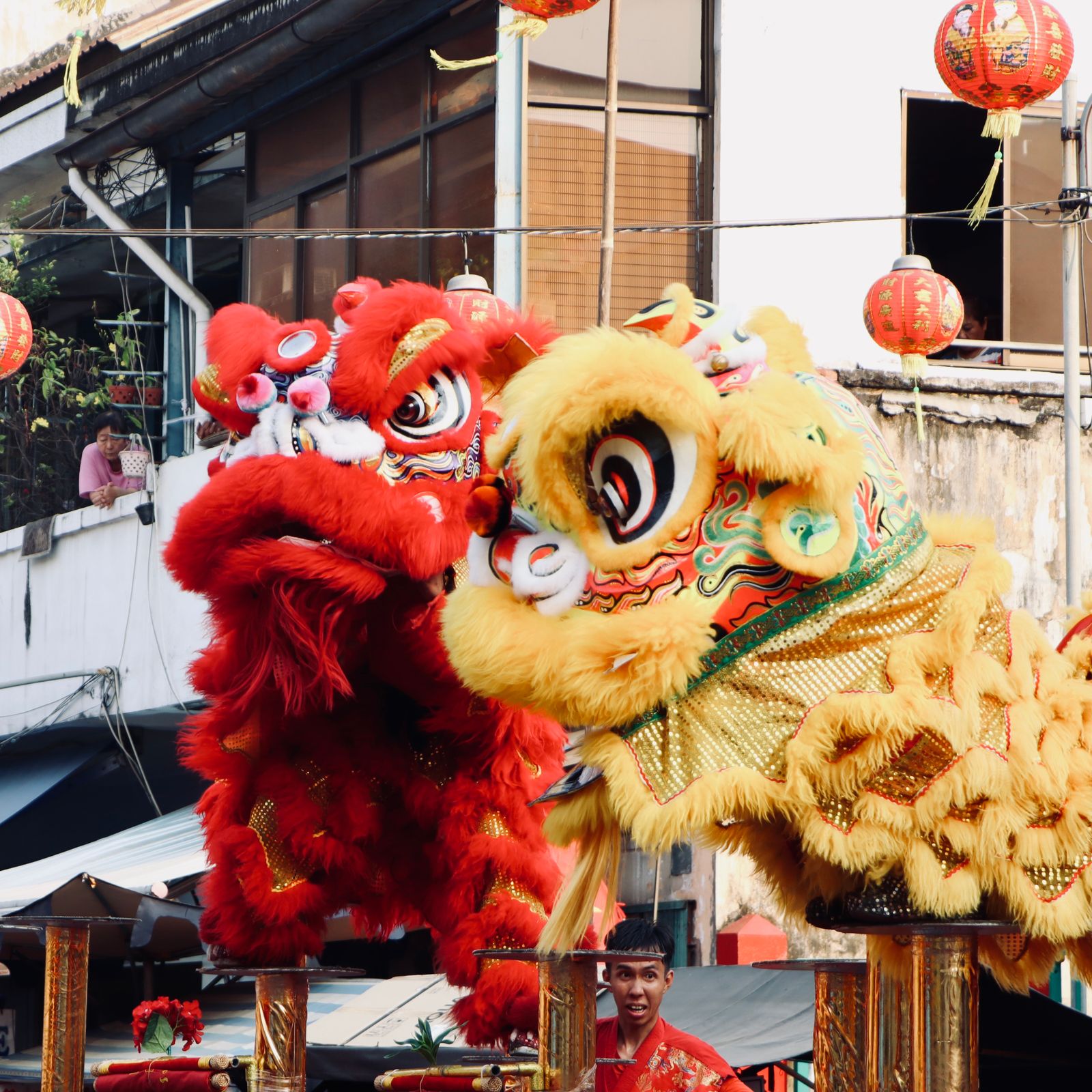
Autumn and winter sacrifices to ancestors set the shape of the spring festival.
Bamboo crackers are replaced by the firecracker we still ban and still set off.
The new year is formally moved to 1 January; the lunar holiday survives privately.
Chunyun becomes the largest recurring human migration in history.
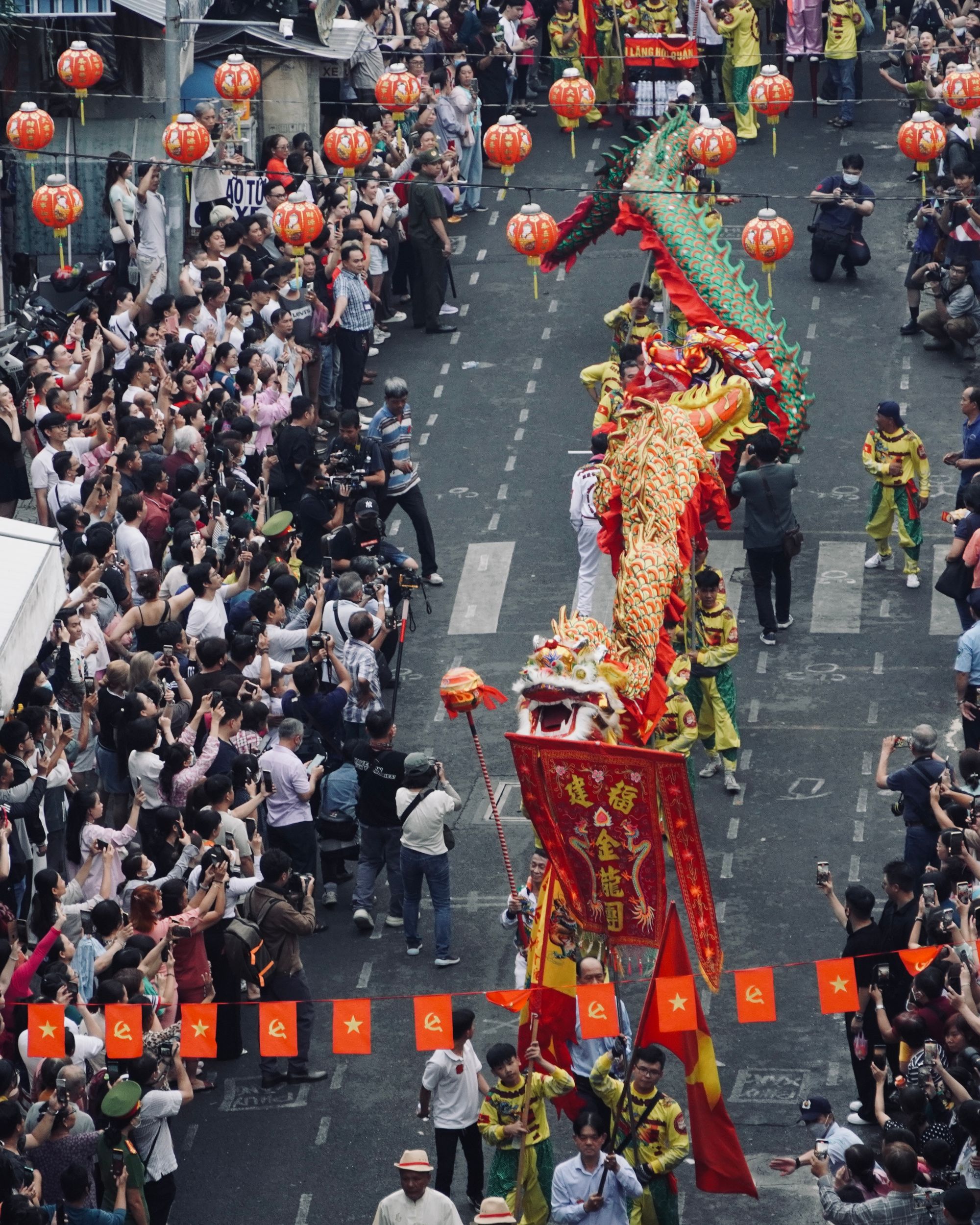
Destination
Beijing
Municipality, China
PEK/PKX. Book intercity rail 30 days ahead — tickets for the eve sell out in minutes.
Temple fairs at Ditan and Longtan; Chaoyang Park's ice lanterns; Badachu for the incense.
Most independent shops close for three to seven days. Plan food around it.
Dates
17 February – 3 March 2027
16 days · 1.5 billion observers
The questions people ask most often about Chinese New Year.
It is lunar — the second new moon after the winter solstice — so it lands between 21 January and 20 February.
Other festivals filed under food & harvest and folk & dynastic.


