
01Food & Harvest
in 4 months
Chinese New Year
🇨🇳BeijingChina
Feb 17 – Mar 3, 2027 · 16 daysExplore

The fast is broken. The whole street eats.
Dates
20 March – 22 March 2027
Location
Marmara, Türkiye
Duration
4 days
Ramadan ends with the sighting of the new moon. In Istanbul that means a three-day holiday, new clothes for every child, and a cemetery visit before breakfast.
The day begins with a small breakfast — usually a date — followed by the Eid prayer in congregation, which in Istanbul means the mosque courtyards and the surrounding streets fill before 8am.
Zakat al-Fitr, a charitable donation of food or its equivalent, is paid before the prayer so that nobody is excluded. Afterwards comes the visiting: grandparents, neighbours, colleagues, and the graves of parents.

Bayramlaşma — visiting elders to kiss their hand and receive a small gift. Zakat al-Fitr — the obligatory alms paid before the Eid prayer.
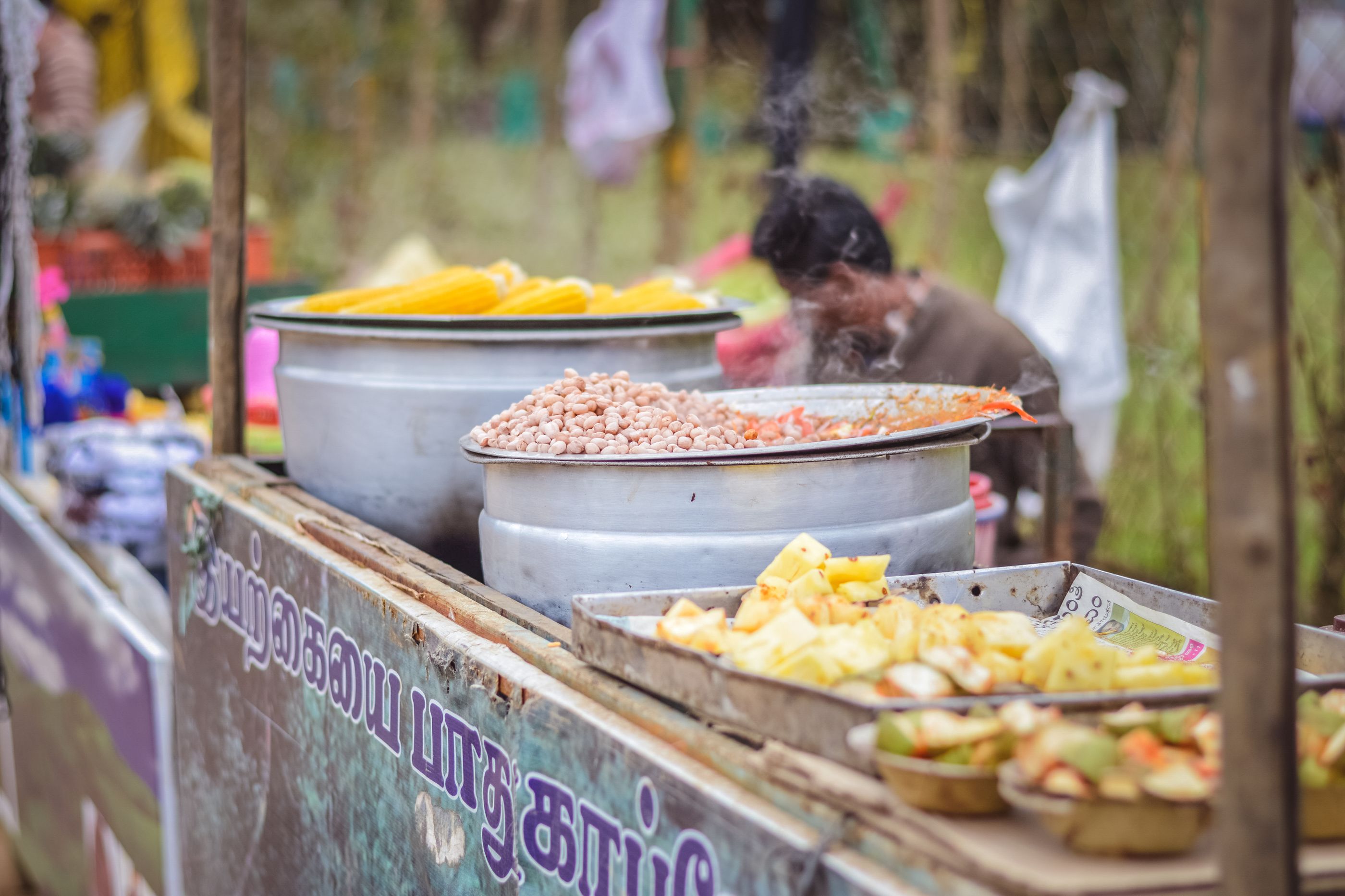
Baklava, şekerpare and Turkish delight, offered to every single visitor.

No instrumental tradition is prescribed. Ottoman fasıl ensembles play informally at home; the public soundtrack is drummers waking the neighbourhood for the pre-dawn meal during Ramadan, and silence on Eid morning.
Back to top
Eid al-Fitr — the Festival of Breaking the Fast — closes Ramadan, the month in which the Quran was first revealed. It is one of the two Eid holidays in the Islamic calendar, the other being Eid al-Adha at the end of the Hajj.
Back to top
The observance is Qur'anic, and the two Eids were formalised in the early Islamic community of Medina. Because the calendar is lunar, Eid moves back roughly eleven days each solar year, which means it cycles through every season over about 33 years.
Back to top7 images · Istanbul · 2027
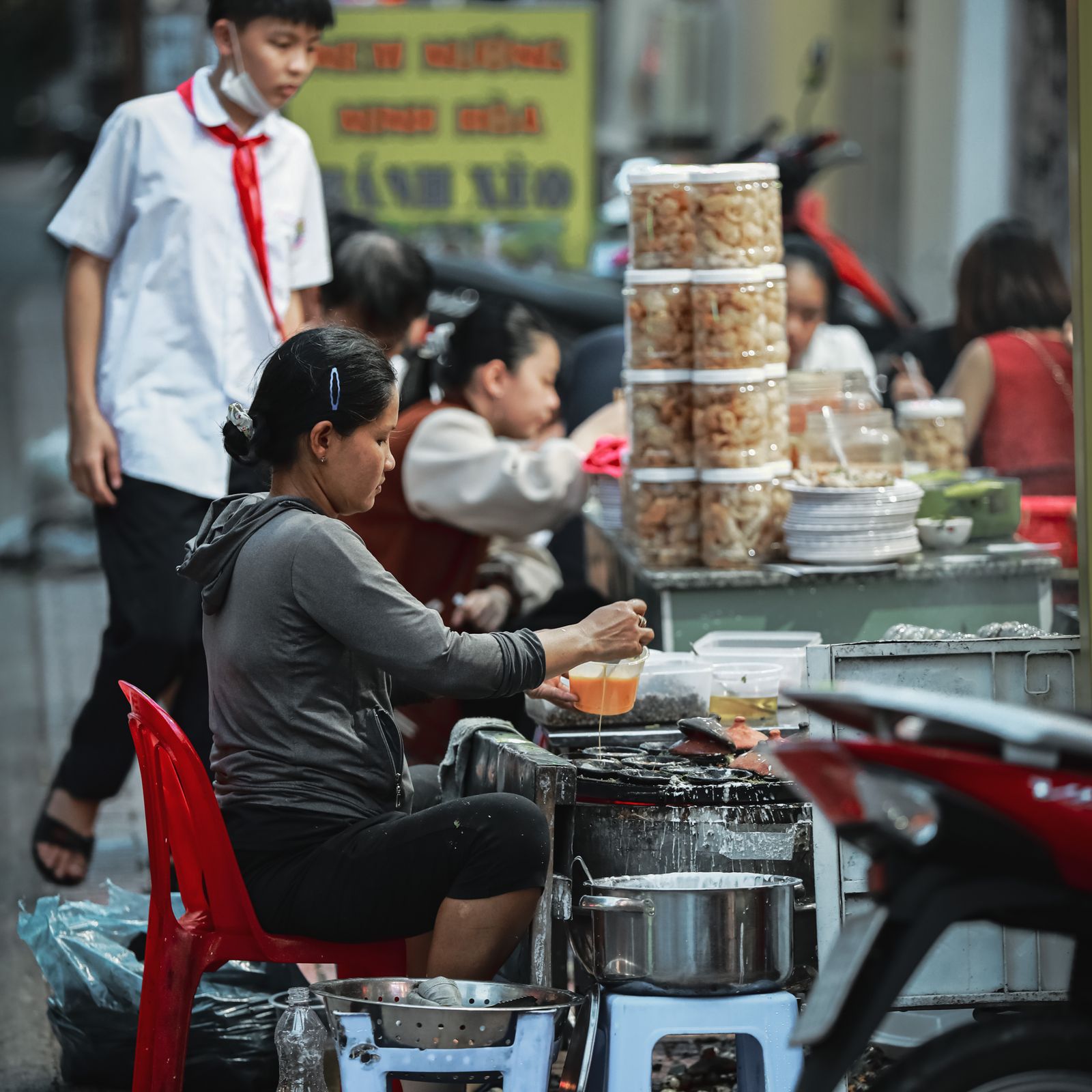

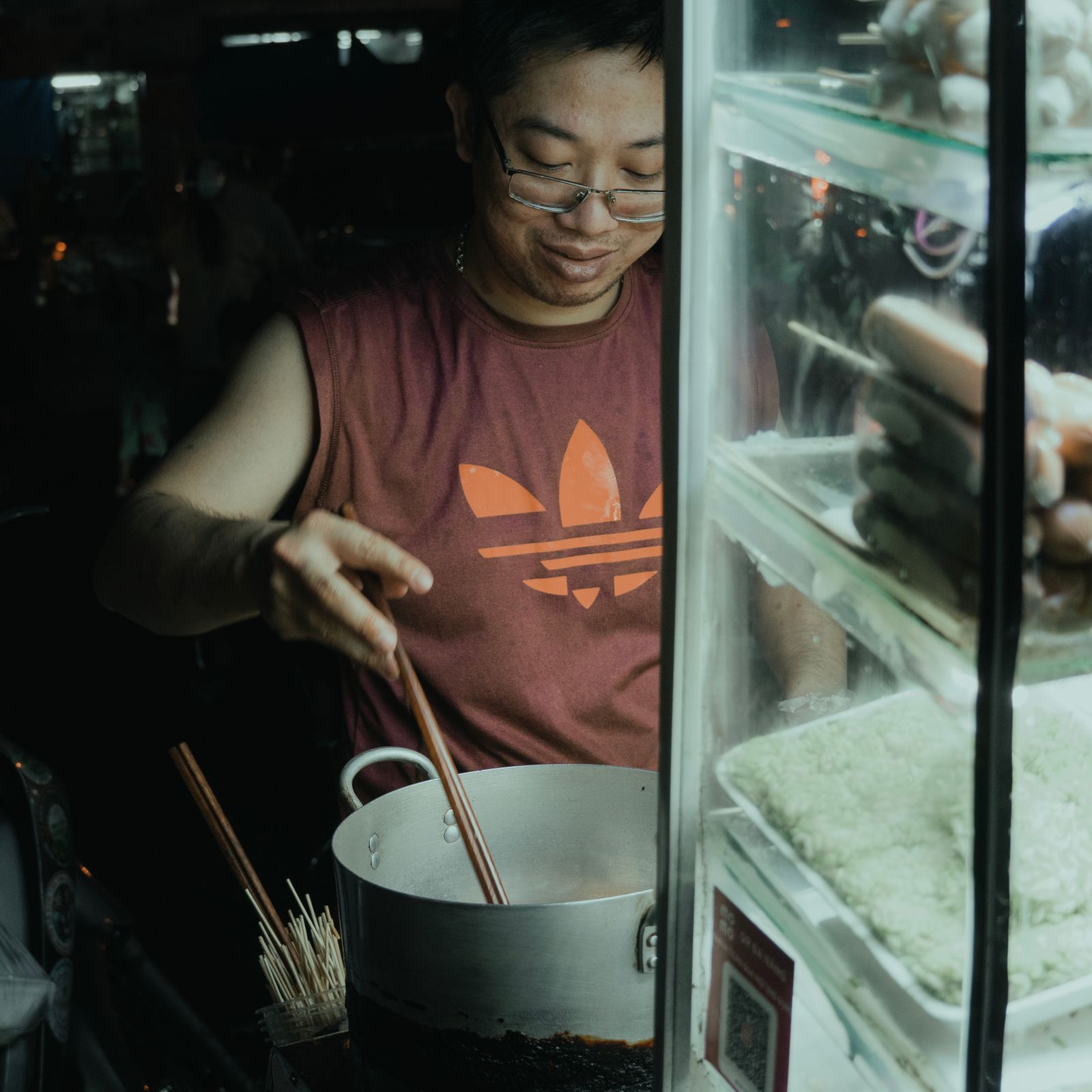
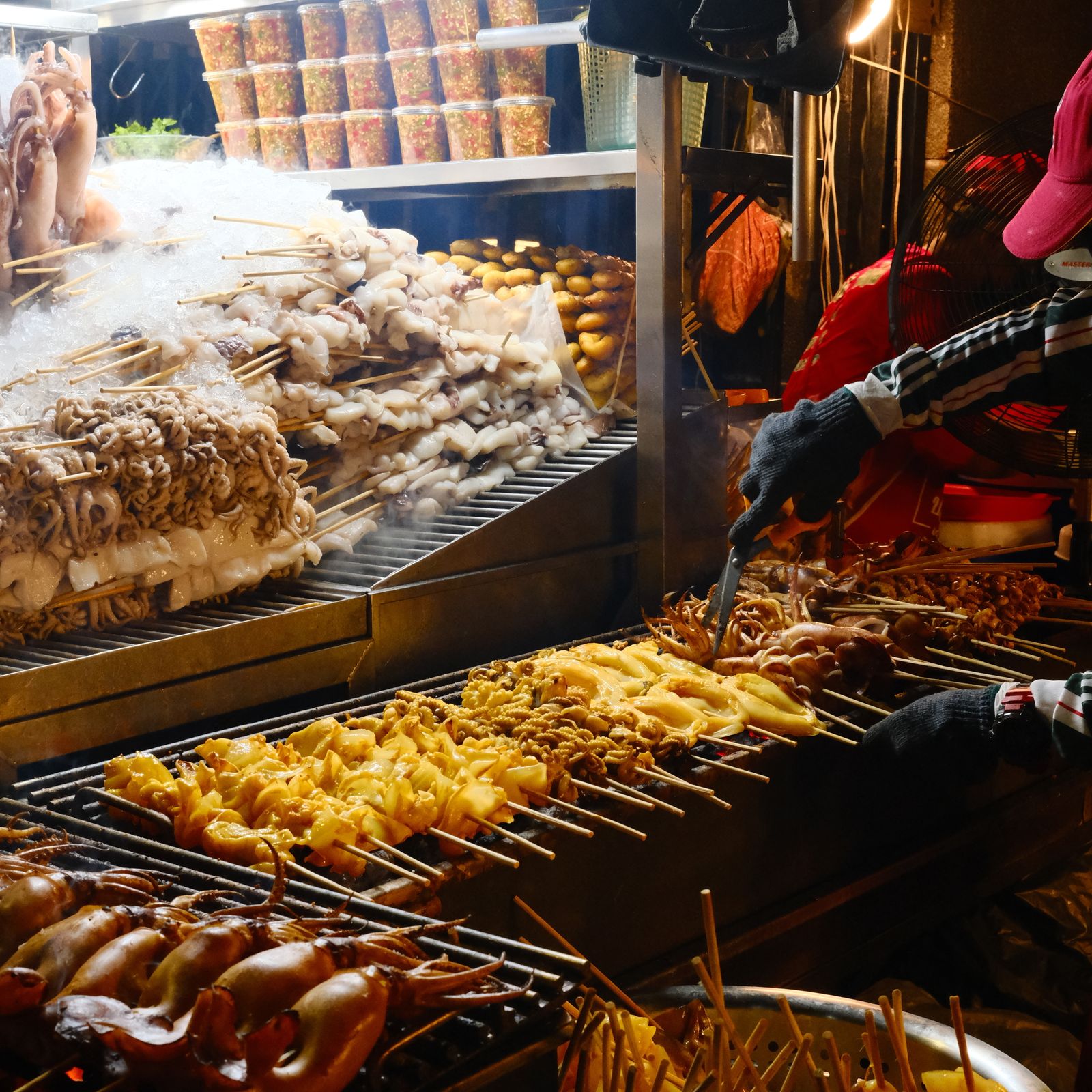
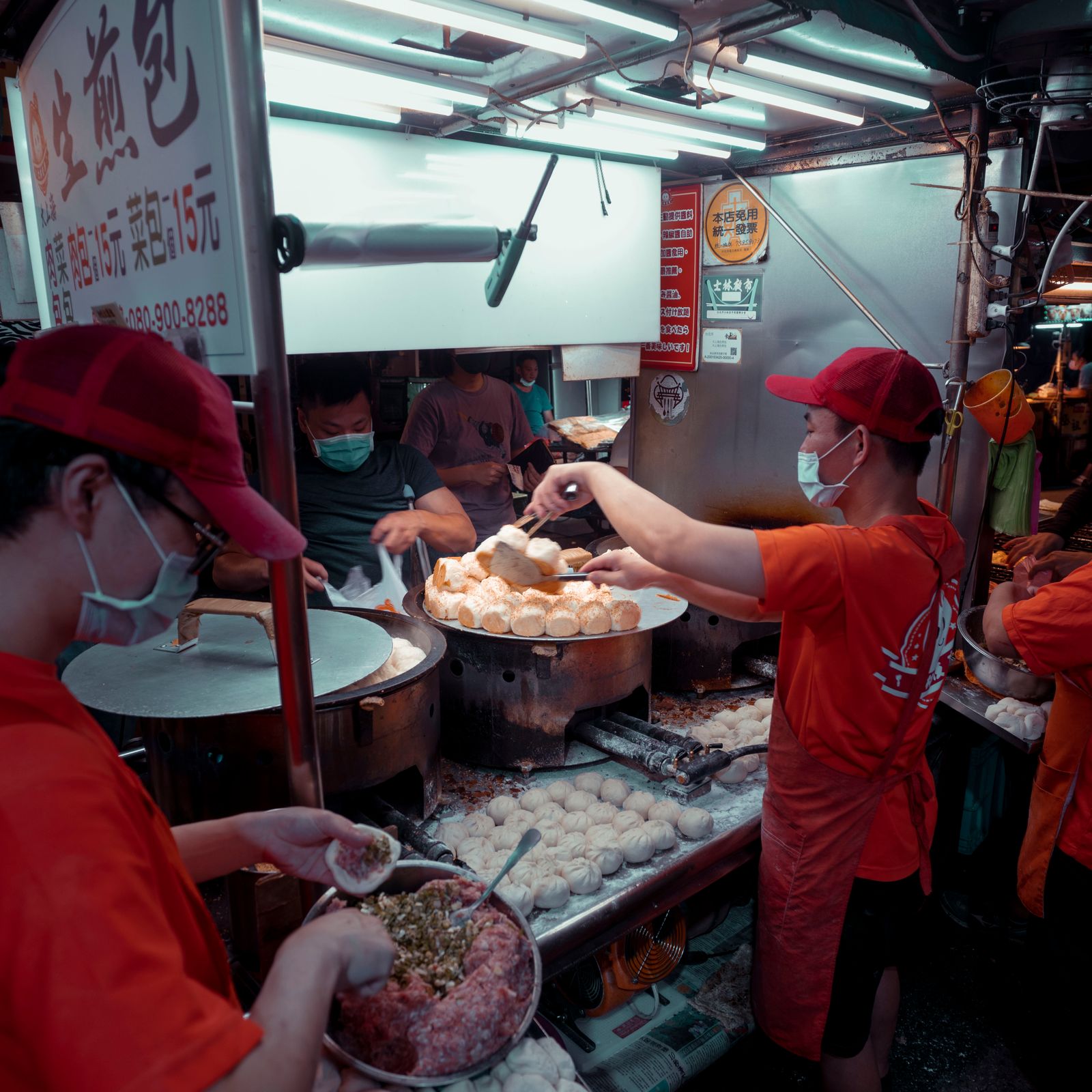
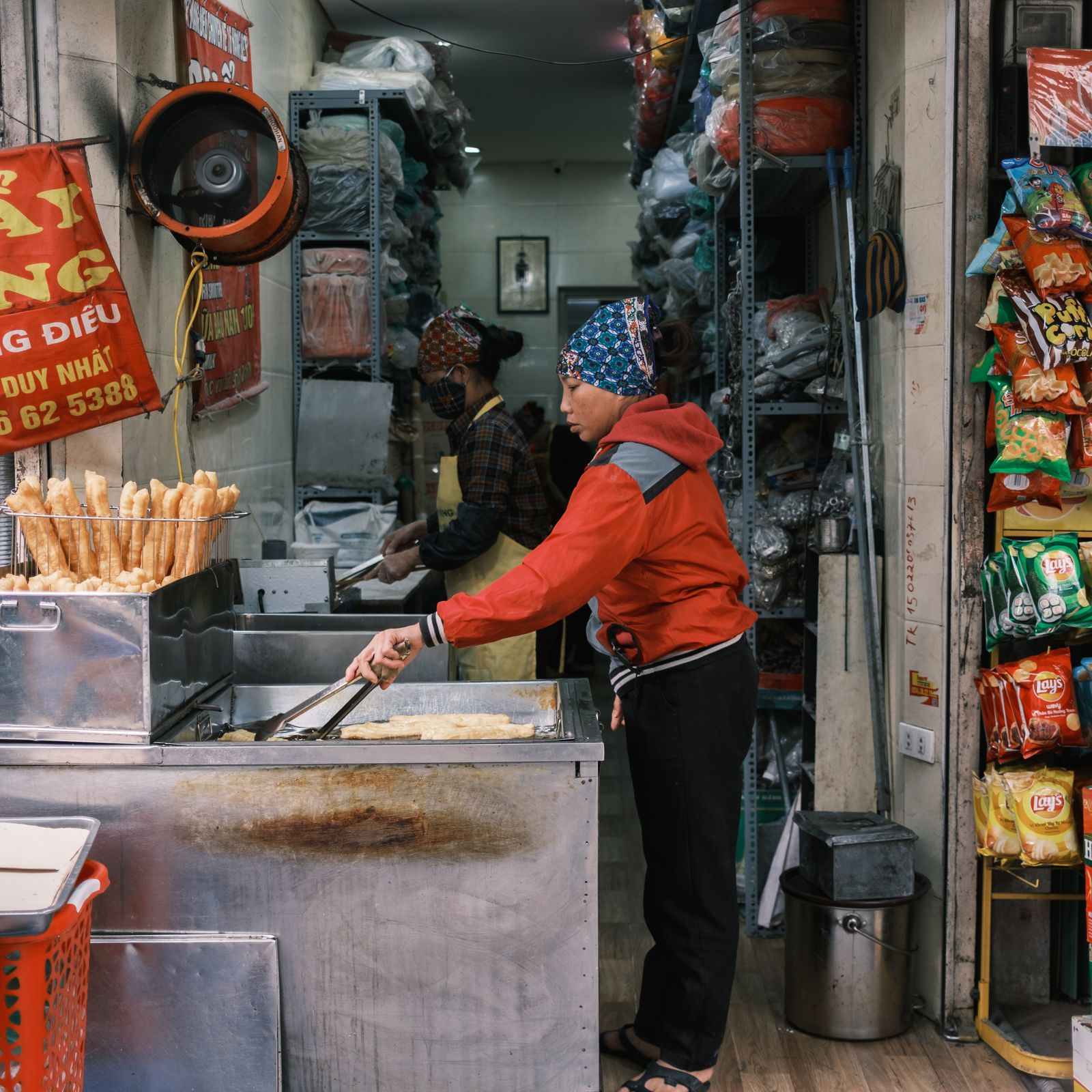
The two Eid festivals are established in the early Muslim community.
The Hijri calendar fixes Islamic months to the moon, not the sun.
The Istanbul court formalises three days of visiting, gifts and public celebration.
Eid al-Fitr is observed by the world's Muslim population on a moving date.
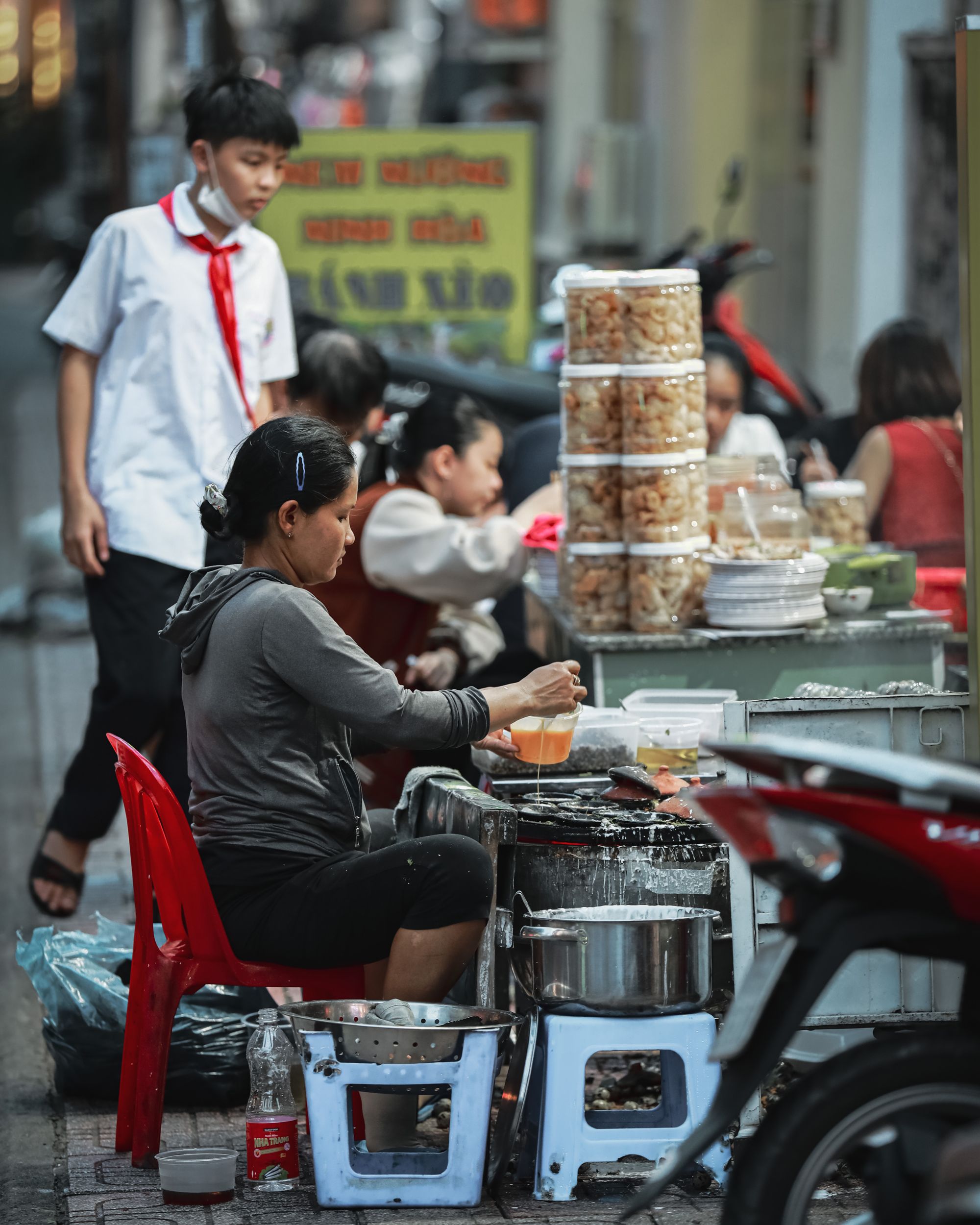
Destination
Istanbul
Marmara, Türkiye
IST or SAW. Intercity buses are packed in the days before Eid — book a week ahead.
The courtyards of the Fatih and Süleymaniye mosques at 7am; Kadıköy for the evening crowds.
Shops and offices close for three days. Restaurants in tourist districts stay open; most others do not.
Dates
20 March – 22 March 2027
4 days · 1.8 billion observers
The questions people ask most often about Eid al-Fitr.
The Islamic calendar is lunar, about eleven days shorter than the solar year.
Other festivals filed under food & harvest and islamic.