

01Festival of Lights
in 2 months
Hanukkah
🇮🇱JerusalemIsrael
Dec 5–12, 2026 · 9 daysExplore
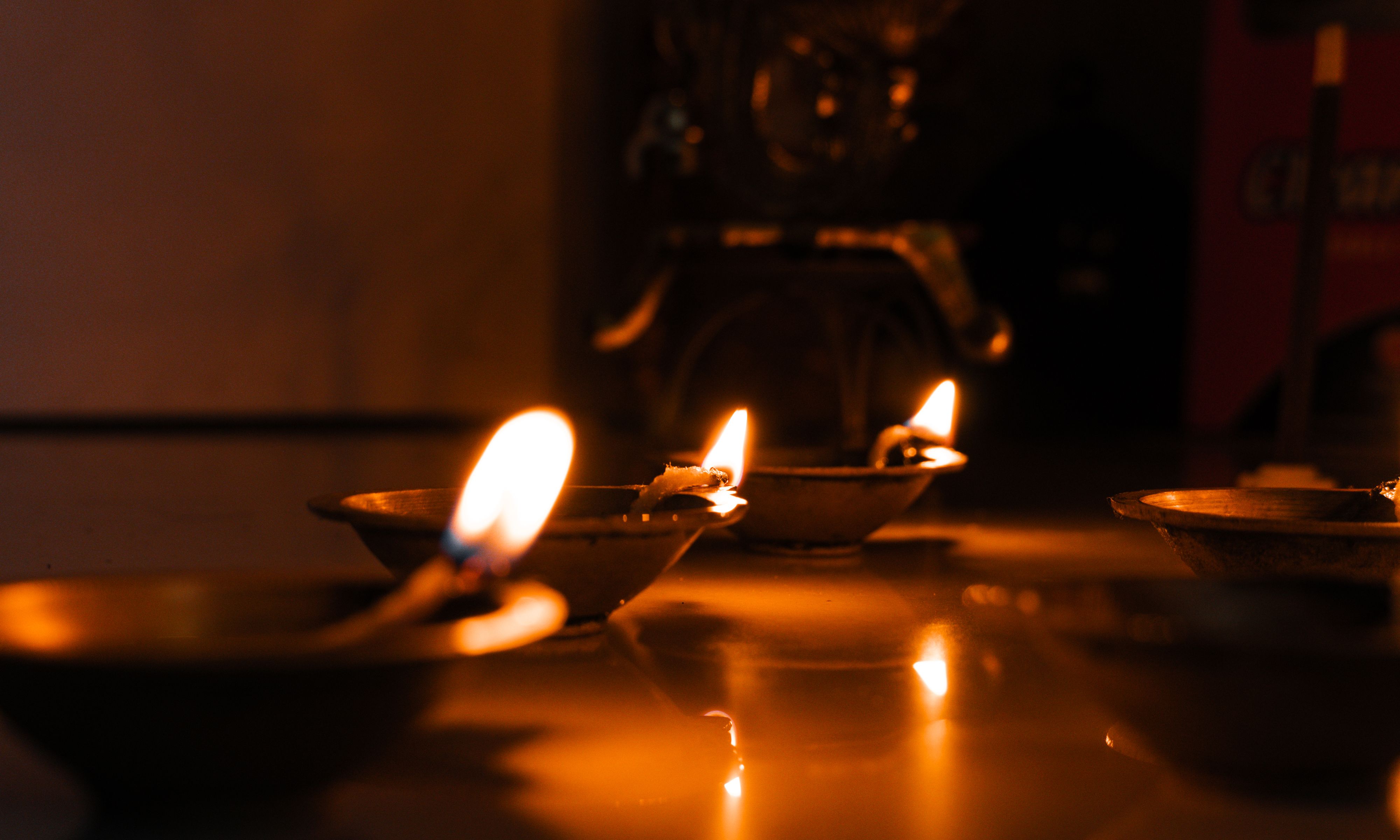
Five nights of light, ending in the loudest one.
Dates
8 November – 9 November 2026
Location
Rajasthan, India
Duration
3 days
Jaipur's bazaars compete on illumination for a month. Johari Bazaar does not so much light up as turn into a lantern.
The name comes from the Sanskrit deepavali — a row of lamps. The five nights move from Dhanteras, when households buy metal, to Bhai Dooj, when siblings are obliged to feed each other.
In the north the story is Rama's return to Ayodhya after fourteen years of exile. In the south it is Krishna's defeat of Narakasura. In Gujarat and much of the merchant world it is Lakshmi, and therefore the accounting year.

Dhanteras — new kitchenware, new ledgers, the year's accounts closed. Rangoli — floor designs in rice flour and pigment, redone every morning.

Mithai boxes: kaju katli, gulab jamun, barfi, stacked in tins and given to neighbours.

Bhajans in the morning, then a wholesale switch to Bollywood party playback by evening. In Punjab the calendar point coincides with Bandi Chhor Divas, and gurdwaras light up in parallel.
Back to top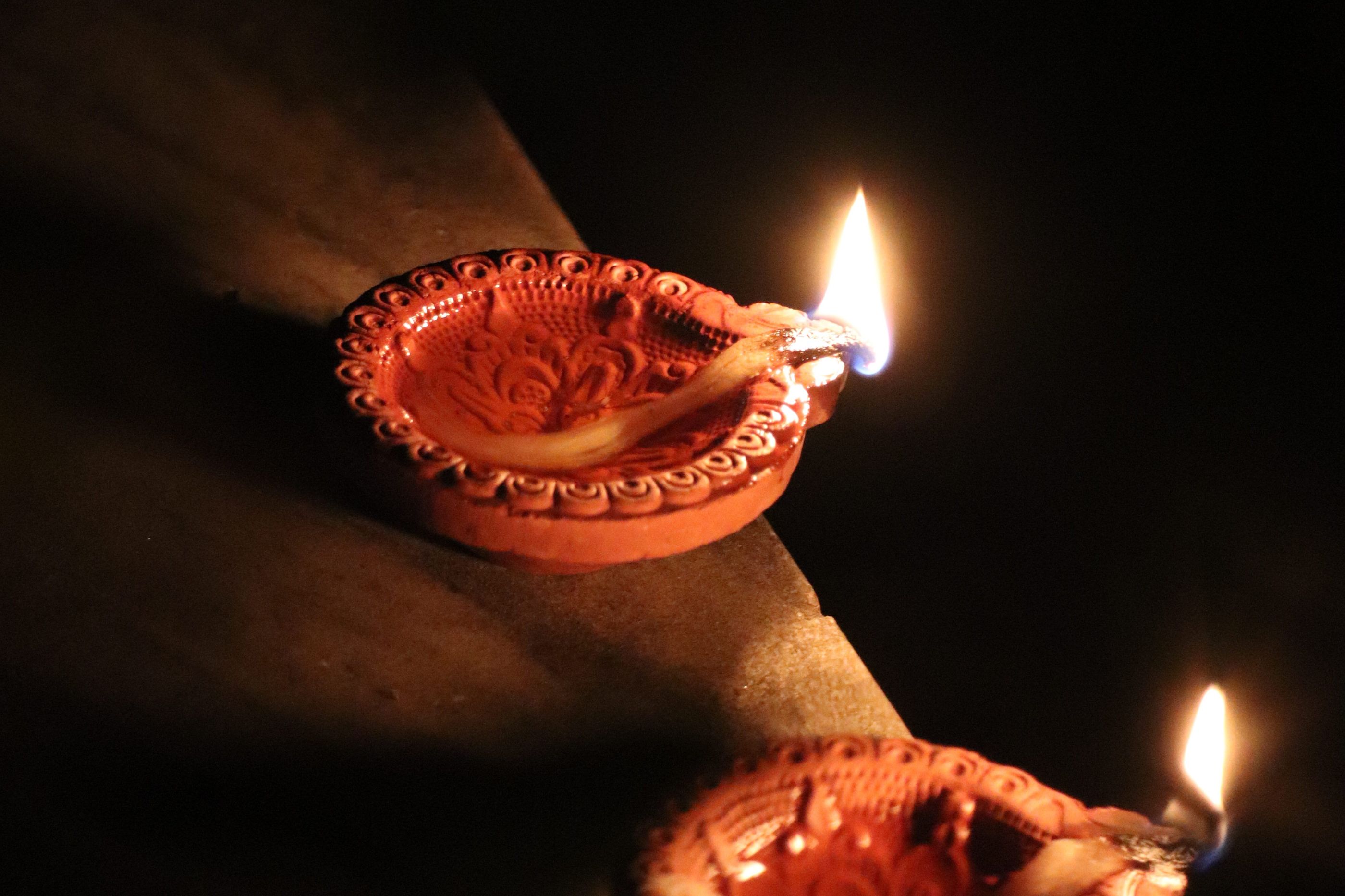
Diwali is observed by Hindus, Jains, Sikhs and some Buddhists, each with a different reason and the same date — an unusual example of one night doing several kinds of theological work at once.
Back to top
Deepavali is referenced in early Sanskrit texts and in the travel accounts of the Persian scholar Al-Biruni in the 11th century. It became a fixed national holiday in India in 1947 and a public holiday in a dozen other countries.
Back to top6 images · Jaipur · 2026


Row-of-lamps rite referenced in early Sanskrit ritual literature.
The Persian scholar documents the new-moon lamp festival in detail.
Diwali becomes one of independent India's three official national festivals.
Diwali is now marked by official civic events in London, Toronto and Singapore.

Destination
Jaipur
Rajasthan, India
Jaipur (JAI) has direct flights from Delhi, Mumbai, Dubai and Singapore.
Amer Fort's illuminated ramparts, and the rooftop cafés off Hawa Mahal Road for the bazaar glow.
Air quality in north India collapses in November. Bring an N95 if you are sensitive.
Dates
8 November – 9 November 2026
3 days · A billion observers
The questions people ask most often about Diwali.
The third night, Lakshmi Puja, when every lamp in the house is lit simultaneously.
Other festivals filed under festival of lights and hindu.

