 2-node kit
MeshWave Duo
Two-bedroom condos, ranch homes, tight two-stories
- Dual-band mesh with wireless backhaul
- One node at the modem, one at the far corner
- Best when the two nodes stay within about 40 ft
Example equipment lease from $9/mo
Big floor plans, plaster walls, finished basements and detached garages defeat a single router — no matter how expensive it is. MeshWave sizes a mesh system to your home and sends a technician to place and tune every node.
MeshWave is an independent comparison and referral service — not an internet service provider. Speeds are always “up to” figures and vary by address, equipment, wiring and network congestion. Availability varies by address and is not guaranteed. Any pricing shown is illustrative and subject to change and to provider terms.

Before you buy a single node, find out what is actually wrong. Enter your email and we will send the whole kit — no phone call required, no obligation, nothing to install.
A short walk-test you run yourself with any phone, plus a scoring sheet that tells you whether the problem is distance, walls, band steering or congestion.
Sketch your floors, mark the incoming line, and the worksheet works out how many nodes a home your size typically needs and roughly where they belong.
What backhaul, band steering, tri-band and WiFi 7 actually mean for a 1958 ranch in Bloomington versus a 2021 build in Frisco — no sales script.
A technician places the nodes, wires backhaul where the house allows, and tunes channels before leaving.
Cable, fiber or fixed wireless — the mesh generally sits behind the modem you already have. Compatibility depends on your existing equipment and is confirmed on the call.
Every speed figure is an up-to number. We show you what changes it: distance, walls, wiring and congestion.
The setup service is booked visit by visit. Equipment terms are shown in writing before anything is ordered.
4.8/5 average from 6,400+ U.S. households · ratings and counts on this page are illustrative examples
Square footage is where sizing starts, not where it ends. Wall construction, floor count and existing wiring change the answer, which is why every kit below is a starting point we confirm on the coverage call.
2-node kitTwo-bedroom condos, ranch homes, tight two-stories
Example equipment lease from $9/mo
 3-node kit
Older homes, plaster and lath, finished basements
Example equipment lease from $13/mo
 3-node tri-band
Busy households, 30+ connected devices, home offices
Example equipment lease from $18/mo
 WiFi 7 tri-band
Multi-gig plans, large or long floor plans, new builds
Example equipment lease from $24/mo
Coverage areas and speed figures are typical “up to” examples only. Actual performance varies by address, equipment, wall construction, existing wiring and network congestion, and no specific speed or coverage result is guaranteed. Promotional pricing is illustrative and subject to change and to the provider’s terms.
Scroll and the data packet follows the line. Four stages, each with a person attached to it — no drop-shipped box and a link to a support forum.
About ten minutes on the phone. Square footage, number of floors, wall construction, where the line enters the house, and which rooms actually fail.
You get a marked-up floor sketch: how many nodes a home like yours typically needs, roughly where each one goes, and what to move out of the way.
The installer sets each node, runs Ethernet backhaul wherever existing wiring allows, picks clean channels, and names the network so devices stop hopping.
A room-by-room signal walk before the tech leaves, then a follow-up around day 30 to re-tune for how your household actually uses the house.
Timelines are typical examples. Installer availability varies by address and scheduling is not guaranteed.

Nearly every “my WiFi is terrible” call comes down to one of six patterns. Here is how to tell them apart before you spend money — and what actually resolves each one.
Likely cause. Distance plus two interior walls. The signal is arriving, but not with enough headroom to hold a steady upload.
What usually fixes it. A node placed roughly two-thirds of the way toward the dead room — not inside it — usually restores a usable link.
Likely cause. Higher bands fade quickly through floors, ductwork and foil-backed insulation. This is physics, not a defective router.
What usually fixes it. One node per floor, stacked near the stairwell, so the climb happens over a short hop instead of straight through a joist bay.
Likely cause. Neighborhood congestion and overlapping channels in dense blocks — Somerville and Queens see this constantly.
What usually fixes it. Channel and band tuning during setup, and tri-band hardware so node-to-node traffic stops fighting your devices for airtime.
Likely cause. Detached or masonry structures sit past the 2.4 GHz edge, and aggressive band steering keeps pushing devices to the wrong radio.
What usually fixes it. A dedicated node on the interior garage wall, plus a separate 2.4 GHz network name for stubborn smart-home gear.
Likely cause. The test ran on the one device standing next to the router. Older laptops and TVs often cap far below the plan speed.
What usually fixes it. Wire the streaming box or console where a jack exists, and check the device radio before blaming the internet plan.
Likely cause. A single point of broadcast cannot out-muscle a long floor plan. More power does not create more coverage where walls absorb it.
What usually fixes it. Multiple placed nodes instead of one loud one. That is the whole idea behind mesh, and placement matters more than the box.
Ten minutes on the phone settles it. Tell us the square footage, the floors and the rooms that fail, and we will size it honestly — including telling you when you do not need an upgrade at all.
Same square footage can mean two nodes or four. What the walls are made of usually matters more than how big the house is.

Plaster and lath with wire mesh behind it absorbs signal like a screen. Typically a three-node plan with at least one wired hop.

Long runs and foil-backed insulation. Usually solved by stacking nodes near the stairwell rather than adding a fourth unit.
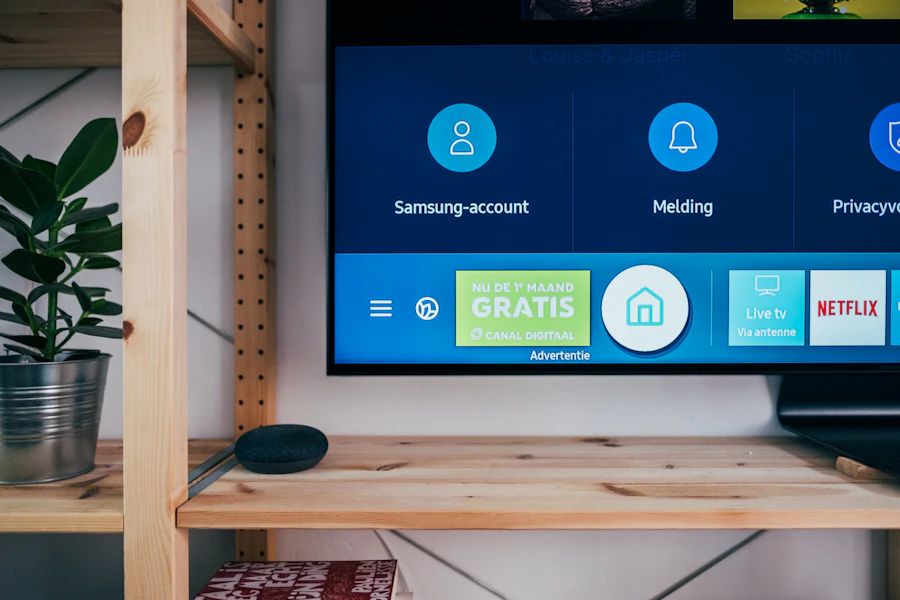
The finished basement is the classic dead zone. A node on the joist line beats a node tucked behind the utility shelves.
Illustrative reviews shown for this demo listing. Individual results vary by home, equipment and internet plan.
Our back bedroom had been unusable for video calls for two years. The tech moved the second node into the hallway instead of the office and that alone fixed it. Nobody had ever explained why placement mattered.
1948 house, plaster walls, and I had already bought two routers that did nothing. They walked the floors with me, wired one hop through an old coax run, and the upstairs finally holds a stream.
What sold me was the honesty. I asked about WiFi 7 and they told me my plan and my laptop could not use it, so I saved the money and got the tri-band instead. The 8 p.m. slowdown is gone.
Prefer to talk it through? Call (877) 555-0134 or request a free quote — the email is optional either way.