FiberStream 300
up to300Mbps
up to 300 down / up to 300 up
from$45/mo
Couples and small apartments
Typically 8–12 connected devices
- Two or three simultaneous 4K streams
- Daily video calls without the freeze-frame
- No data cap listed on this tier
FiberStream lists symmetrical fiber plans built for the way a house actually runs — four people streaming, someone on a call, a console pulling a 100 GB patch, and a photo library quietly backing itself up. Speeds are always up to, and what you see depends on your address.

Every plan shown on this page is listed without a monthly data allowance or overage billing.
Several tiers are listed month-to-month. Contract terms differ by market, so confirm before you order.
Router rental, one-time install and taxes are called out separately — never folded quietly into the headline price.
A technician typically runs the fiber drop, terminates the jack and confirms a wired speed test. Scope, timing and equipment vary by provider and address.
Prices below are example promotional starting points for this demo listing — illustrative, subject to change and terms, and not a quote. Availability varies by address and is not guaranteed.
up to 300 down / up to 300 up
from$45/mo
Couples and small apartments
Typically 8–12 connected devices
up to 1,000 down / up to 1,000 up
from$65/mo
The busy family house
Typically 15–25 connected devices
up to 2,000 down / up to 2,000 up
from$95/mo
Creators and home studios
Typically 25–40 connected devices
up to 5,000 down / up to 5,000 up
from$145/mo
Home labs and small offices
Typically 40+ connected devices
All speeds are up to and vary by address, equipment, in-home wiring, device and network congestion. Monthly prices are illustrative promotional examples and exclude equipment rental, one-time professional installation, taxes and regulatory fees. Promotional pricing is subject to change and terms. FiberStream Internet is an independent comparison and referral service, not an internet service provider.
Nobody buys internet in megabits. They buy it in “the call did not freeze” and “the game finished downloading before bedtime.”
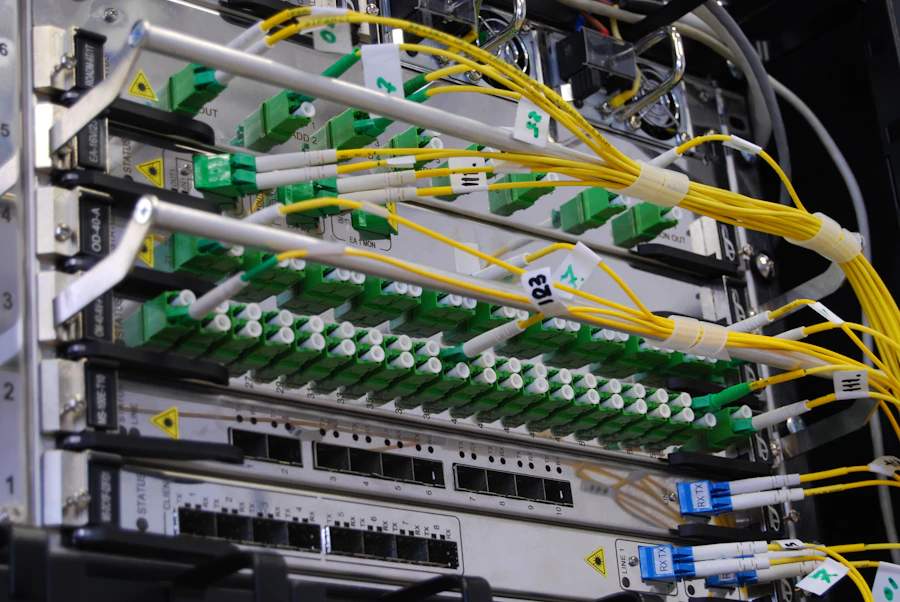 Streaming
A 4K stream typically wants around 25 Mbps to itself. Three of them plus a tablet and a smart speaker is a normal Friday in a Charlotte split-level — and the reason a 300 Mbps floor exists on this page.
 Gaming
Competitive play needs only a few Mbps, but it hates jitter. Where fiber changes your evening is patch day: a 100 GB update lands in roughly 15 minutes on a 1 Gig line instead of eating the whole night.
 Work from home
Your camera, your screen share and your cloud sync all travel upstream. On a cable plan with 20 Mbps up, three people on calls in a Columbus ranch house is a coin flip. Symmetrical fiber is why this section exists.
 Full house
Thermostats, doorbells, watches, two printers nobody uses, a robot vacuum with opinions. They are small individually and relentless together, and they are why the device counts on each plan card are worth reading.
Four steps, in the order they actually happen. Scroll and watch the packet run the glass.
Fiber is built street by street. Two houses on opposite sides of the same block in Boise can get different answers. The free guide walks you through checking serviceability at your exact address before you shop.
Count the people, the screens and the upstream work. Most households land on 300 Mbps or 1 Gig; studios and home labs are the reason 2 Gig and 5 Gig are listed at all.
A technician brings the drop to the house, terminates a jack near where your router will live, and mounts the optical network terminal. Buried drops in older neighborhoods can add a locate visit first.
Ask for a test on a wired laptop, not Wi-Fi. That is the number the line is actually delivering — everything after that is a wireless coverage conversation.
Install timelines above are typical examples only. Actual scheduling, drop construction and equipment vary by provider, address and market, and no install date or outcome is guaranteed.
Typical example figures for common activities. Bars are drawn against a 1 Gig line to give you a sense of scale — not a measurement, and not a promise.
Upstream matters as much as downstream here. Two callers doubles it.
Per stream. Three at once is a normal evening in a family house.
Bandwidth is barely the issue. Stable latency is the whole game.
A 200 GB library takes roughly 30 minutes at 1,000 Mbps up — or most of a weekend at 20 Mbps up.
Roughly 15 minutes on a 1 Gig line versus about four hours at 50 Mbps.
Screen shares, VPN, cloud drives and a classroom stream all at once.
The unglamorous truth: most households are not short on download. They are short on upload and stuck behind an aging router. Test wired before you buy a bigger tier — the free guide shows you exactly how.
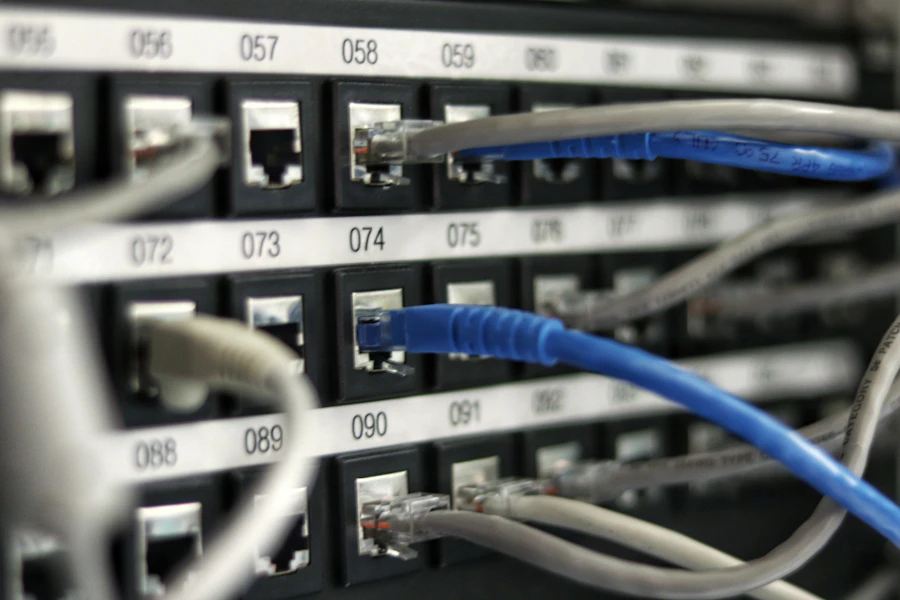
On a typical cable plan, upload is a fraction of download — sometimes a twentieth of it. That asymmetry is invisible until the moment it is not: the second caller joins, the cloud drive starts syncing, the security cameras upload the day.
These are U.S. metros where we follow fiber construction and plan changes. Being listed here does not mean fiber reaches your street: availability varies by address and is not guaranteed, and new builds land one neighborhood at a time.
Metro list is illustrative for this demo listing. FiberStream Internet does not build, own or operate network infrastructure.

The guide told me to test on a cable, not Wi-Fi. I did, saw the wired number was fine, moved the router out of the basement closet, and the upstairs dead zone quit being a mystery.
I run two twenty-minute 4K exports up to a client server every Tuesday. On my old plan that was lunch. Symmetrical upload turned it into a coffee refill, and the fee checklist meant the first bill matched the quote.
What I appreciated was being told plainly that fiber might not reach my street yet. It did not, on the first check. Six months later it did, and I already knew exactly which questions to ask about install and equipment.
Twelve pages, no jargon: what each tier really covers, how to check fiber serviceability at your exact address, and the fee checklist that keeps your first bill from surprising you. Free, one email, one-click unsubscribe.
Questions first? Our U.S.-based line is open 8am–8pm ET, seven days.