new year
147
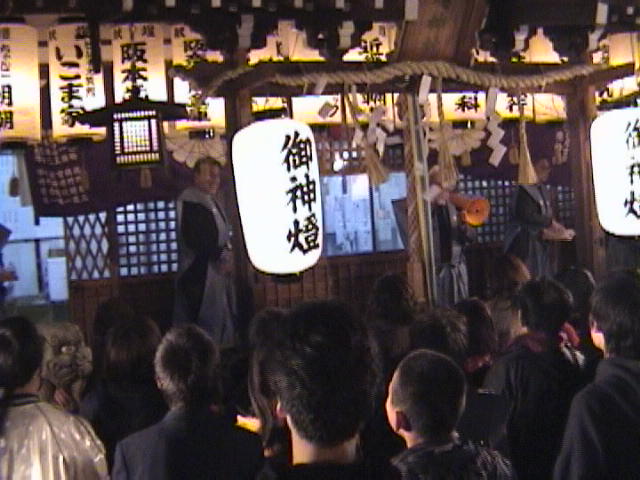
Marks the changeover between winter and spring by driving out evil spirits.
Festival Overview
Marks the changeover between winter and spring by driving out evil spirits.
History, Origin & Significance
Setsubun is the day before the beginning of spring in the old calendar in Japan. The name literally means 'seasonal division', referring to the day just before the first day of spring in the traditional calendar, known as Setsubun; though previously referring to a wider range of possible dates, Setsubun is now typically held on February 3, with the day after – the first day of spring in the old calendar – known as Risshun . Both Setsubun and Risshun are celebrated yearly as part of the Spring Festival in Japan. Setsubun was accompanied by a number of rituals and traditions held at various levels to drive away the previous year's bad fortunes and evil spirits for the year to come.
Source: Wikipedia — Setsubun
At a Glance
A single, focused day of observance and celebration.
The most recognisable custom of Setsubun.
Communities across 1 country take part.
A signature dish closely associated with the celebration.
Flavours of the Celebration
No Setsubun celebration is complete without its signature dishes, shared with family and community throughout the festivities.
Customs & Practices
The customs practised during Setsubun vary by region, but these are the most widely recognised.
Duration
Mamemaki bean-throwing
Where It's Celebrated
Primarily celebrated in Japan. Detailed country facts (capital, currency, languages) need a REST Countries API key configured — see .env.example.
Open in Google MapsPlan Your Visit
Typically celebrated in February.
Japan
Good to Know
Setsubun falls on Feb 3, 2027 (estimated date — exact timing can vary by region or calendar reckoning).
Keep Exploring