

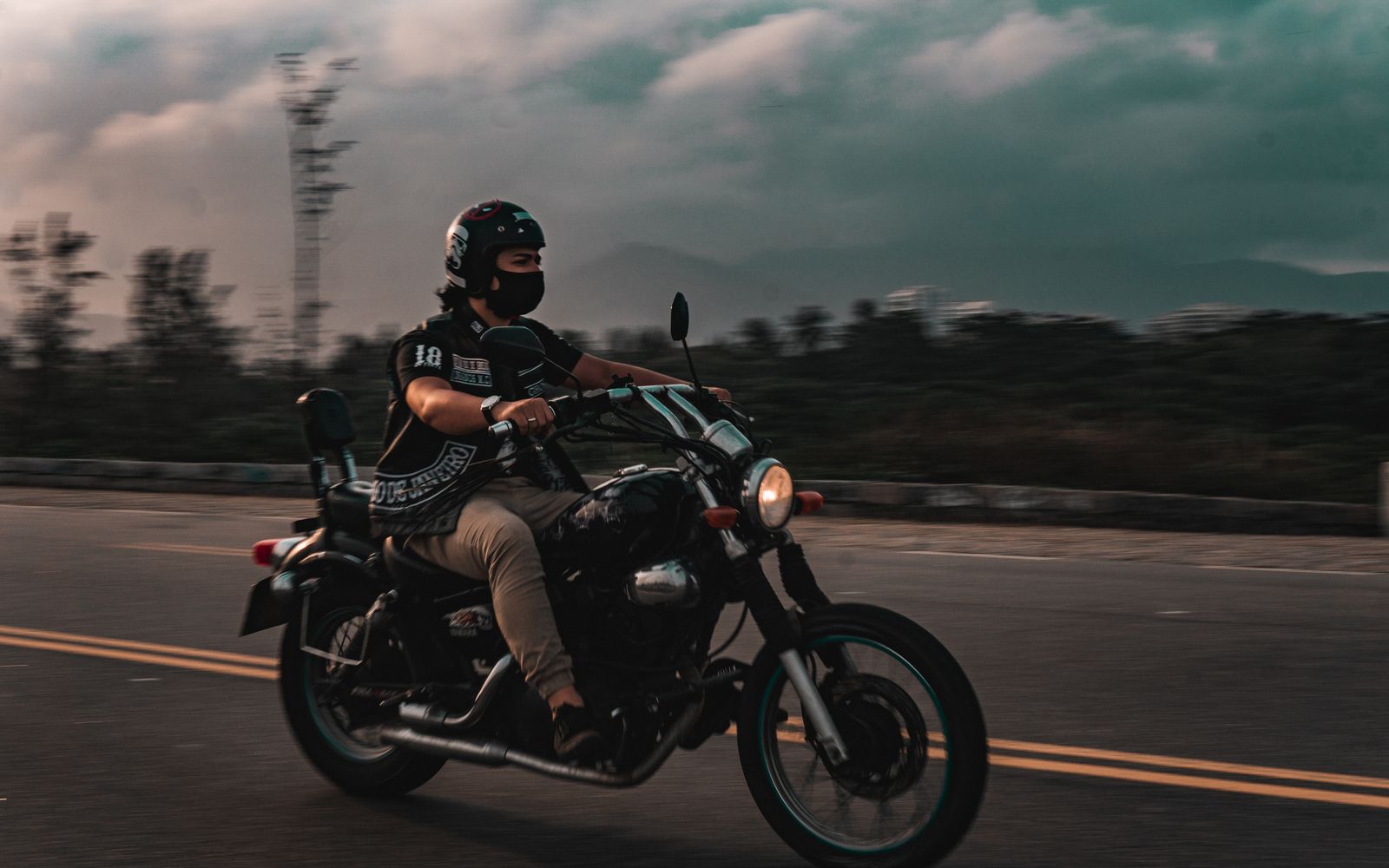
01
The open road
Liability coverage is the legal foundation — most states require it before you can even register a bike.

Compare motorcycle insurance options built around the way you ride, your bike, and where you ride.
Built for U.S. riders · Licensed partners in your state · Options delivered by email · No phone calls, no obligation
Most insurance is designed for cars, then relabeled for bikes. We start with the ride — your bike, your state's rules, your kind of miles, from Pacific Coast Highway to the Blue Ridge Parkway — and compare coverage from there.
Your bike, your terrain, your miles. The questions we ask shape the coverage you see — not the other way around.
Three clear plans laid out side by side, with what each one actually helps with. No jargon walls, no fine-print ambush.
Pick a plan, leave your email, and licensed partners in your state follow up in your inbox — not on your phone. You decide what happens next.
Choose the closest match. It shapes every option we show — and you can change it later.
Not sure yet? That's fine — you can skip the choice and start with your ZIP instead.
Five scenes where coverage actually matters — told the way riders see them.
Liability coverage is the legal foundation — most states require it before you can even register a bike.

Comprehensive coverage commonly includes damage from storms, floods, and falling objects — events that don't involve a crash.
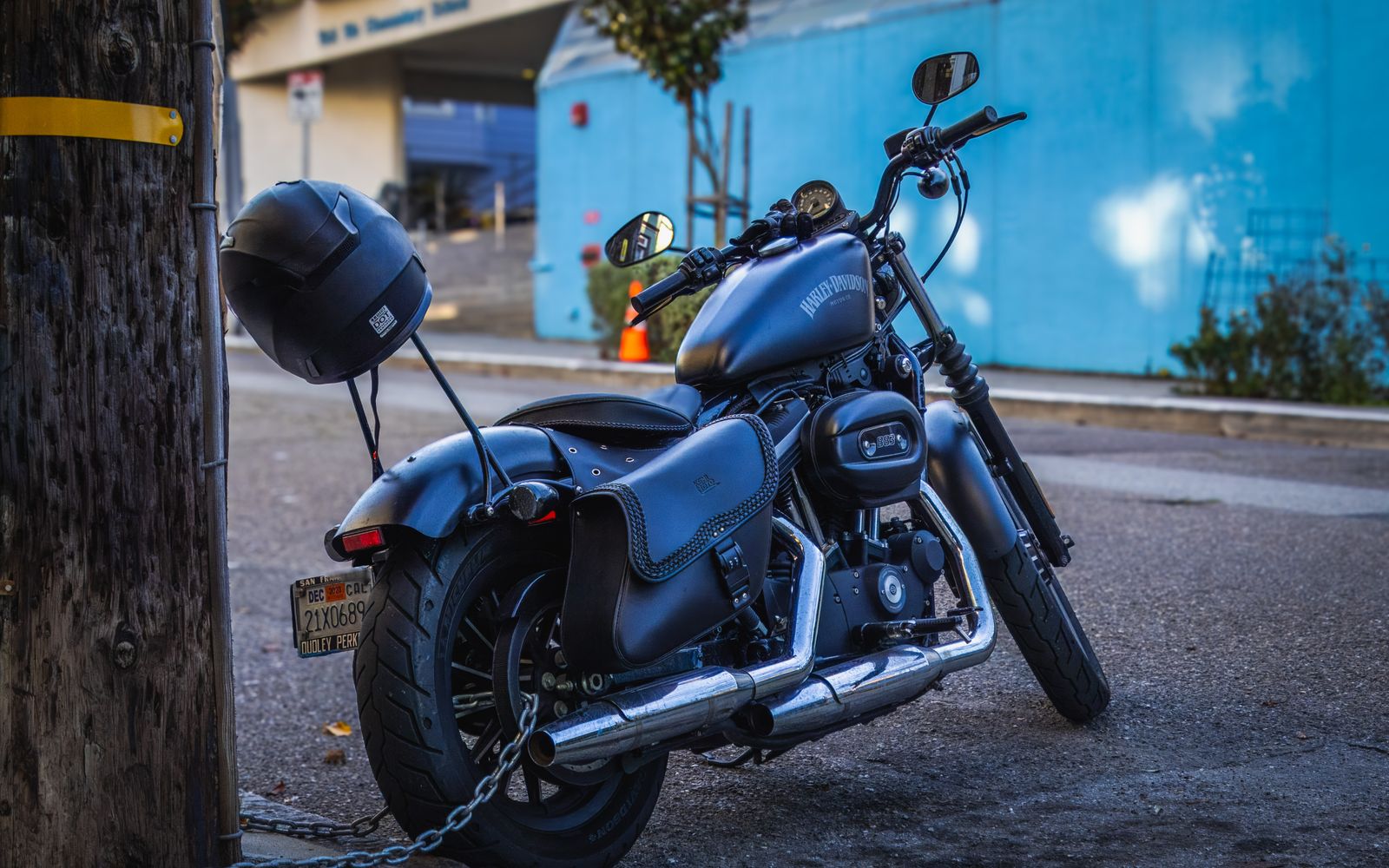
Most bikes are taken when they're not moving. Comprehensive is the coverage that commonly responds to theft — if you carry it.

Accidents happen fast. Collision coverage helps repair or replace your bike after a crash, regardless of fault.
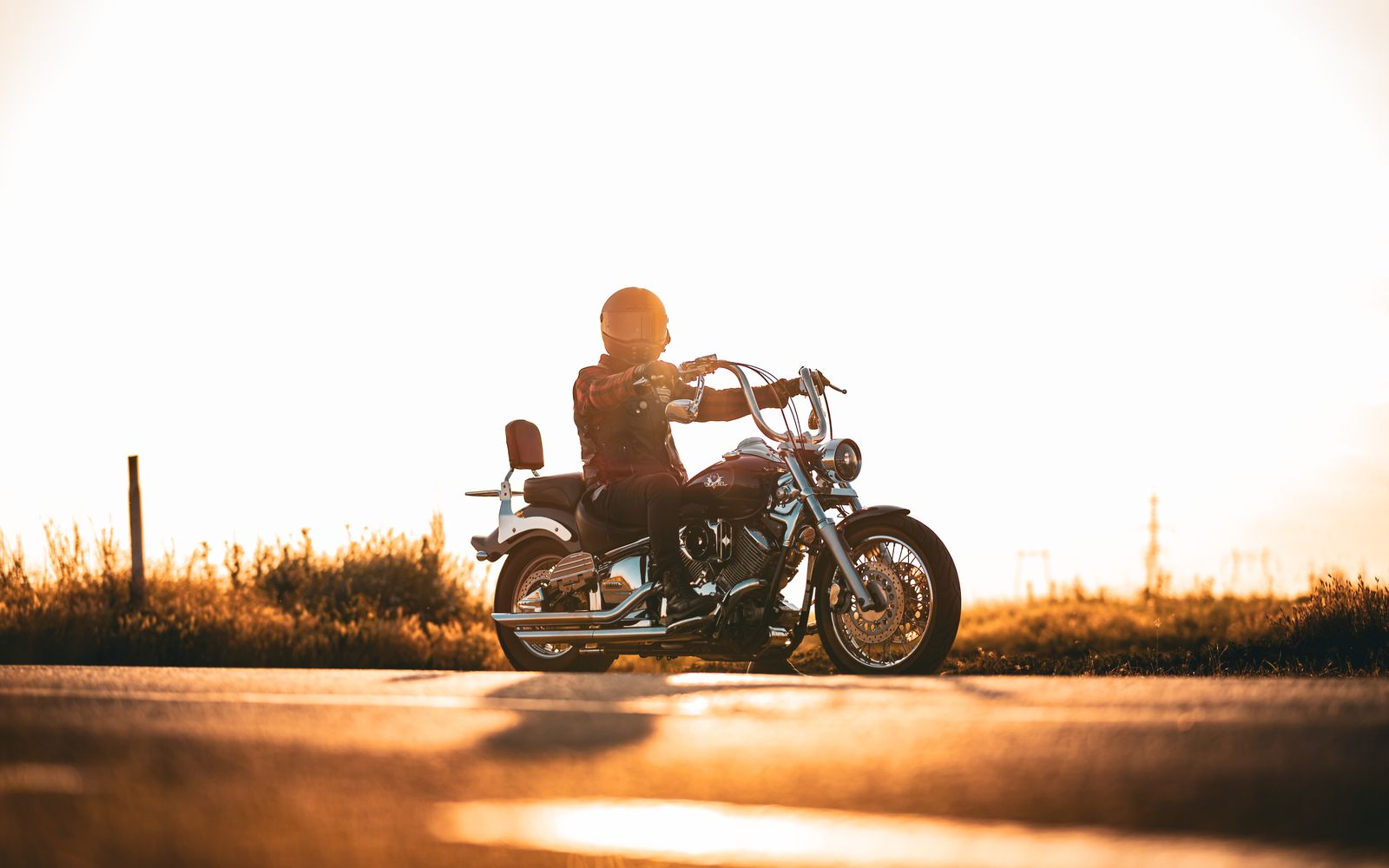
Roadside assistance and the right limits help you get home — not just to the shop.


Tap any numbered point — or open an item from the list — to see what each coverage type protects.
Covers bodily injury and property damage you're responsible for in an accident. Required in most U.S. states before you can register or ride.
Helps repair or replace your motorcycle after a collision — with another vehicle or an object — regardless of who was at fault.
Commonly covers theft, vandalism, fire, and weather damage to your bike. Exact perils and limits vary by insurer and policy.
Towing, jump starts, flat-tire help, and other roadside assistance when you're stranded. Often sold as an add-on or bundled with a policy.
Declare aftermarket parts and accessories so their value can be covered. Build documentation helps partners quote you accurately.
Ride type and U.S. ZIP code. Takes about a minute — no account, no phone number, no pressure.
Three plans side by side, matched to your state's requirements, with what each one actually helps with.
Pick a plan and leave your email. We send the comparison right away, then follow up shortly by email with details from licensed partners in your state.
Three short questions. We match you with coverage available in your state, send the comparison to your inbox, and follow up by email with the plan you picked — no phone calls.
Rideway is a U.S. comparison service, not an insurance carrier. With your consent, we share your request with licensed insurance partners in your state so they can email you quotes. No purchase required, and you can opt out anytime.
These are the coverage levels most U.S. riders choose between. Prices aren't estimated here — they come from licensed insurance partners in your state after you request them.
This is a general guide to common coverage structures in the United States. Exact coverage, limits, add-ons, and terms vary by insurer and state, and nothing here is an offer of coverage. Pricing appears only in quotes provided by licensed insurance partners after you request them.
The Rider Journal
Written by the Rideway editorial desk. Riding is the subject; coverage is the point.
The weekend ride isn't about distance. It's about distance from everything else. Two hours out, the to-do list fades; the road narrows; the only schedule is the one your throttle keeps. That's the whole point.
Insurance exists for the other side of the ride — the part you can't see from the saddle. Knowing what your policy covers before you leave means the only surprises on Saturday morning are good ones.
Every rider remembers the first one. Maybe it was underpowered. Maybe it leaked. It didn't matter — it was yours. The right first motorcycle fits your body, your budget, and the kind of riding you'll actually do.
Start with the basics: take a training course, budget for gear, and make sure your insurance keeps up with what you ride. A bike that sits because a claim wasn't covered is nobody's idea of a first season.
Touring teaches you what you can leave behind. A good rig carries less than you think. A good pace covers more than you'd expect. Somewhere around day three, the miles stop feeling long and start feeling right.
When you ride across states, coverage travels with you — or it doesn't. Trip interruption, roadside assistance, and the right liability limits matter more the farther you get from home.
A custom build is a conversation with the machine. Every part you swap changes the bike's character — and its value. Document what you've done: parts lists, photos, receipts. When the bike is finally how you want it, the paperwork should keep up with the metal.
Insurers see custom bikes differently than stock ones. Declared value and custom parts coverage help make sure that what you built is what gets protected.
Still have a question? Save your options and a licensed partner will be happy to walk through the details with you.
Explore my optionsIn most U.S. states, yes — nearly every state requires liability coverage to register and legally ride on public roads, and several require proof before registration. Minimum requirements vary widely by state. Even where it isn't mandated, riding uninsured can leave you personally responsible for significant costs if you cause an accident.
Typical policies are built from a few standard pieces: liability (damage you cause to others), collision (your bike, after a crash), comprehensive (theft, weather, fire, vandalism), plus optional add-ons like roadside assistance, medical payments, uninsured/underinsured motorist coverage, and custom parts. What's included — and what's required — depends on the insurer and your state.
Comprehensive coverage commonly responds to theft, and it is usually optional unless your bike is financed. If your motorcycle is stolen, you typically file a claim and, depending on the policy, may be reimbursed based on actual cash value or an agreed/declared value. Exact terms vary by insurer, so it's worth reading the policy before you sign.
Insurers weigh many factors: the bike itself (type, engine size, age, value), where you live and store it, how you use it, your riding experience and driving record, and the coverage levels and deductibles you choose. RIDEWAY doesn't estimate pricing — actual quotes come from licensed insurance partners after you request them.
Yes. Many insurers cover custom and modified bikes, though they typically ask for documentation of the build — parts lists, photos, and receipts. Declared-value policies and custom parts endorsements are common ways to protect a bike worth more than its stock book value. Tell us what you built and we'll flag partners that handle custom machines.
To start, just three things: the kind of bike you ride, your U.S. ZIP code, and an email address — plus the plan you'd like us to start with. We email your comparison right away, then licensed partners in your state follow up by email and ask for details like the bike's year and model and your riding history. That's when real quotes are generated, not before.