

Safe Driver
Maintain a clean driving record and you may qualify for lower rates.

Get personalized coverage, flexible options, and support when you need it.
Practical protection, simple tools, and people who pick up the phone — built around the way you actually drive.
Tailored to you
Choose the protection that fits your car, your budget, and how you drive.
Learn moreAlways available
Reach a licensed team any time of day, whether you have a question or a claim.
Learn moreSimple & clear
File in minutes online or in the app, then track every step as it happens.
Learn moreOn-the-spot help
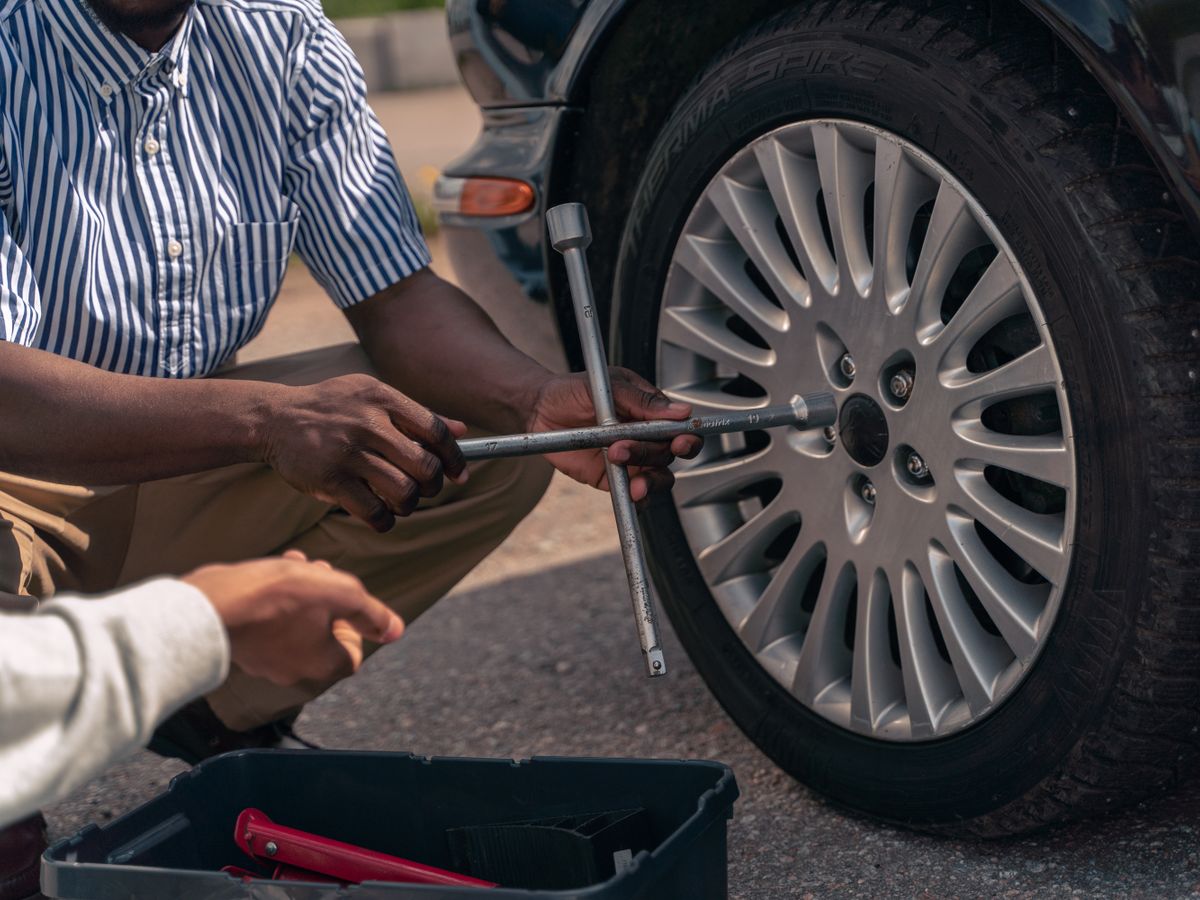
Towing, jump-starts, lockouts, and flat-tire help available as an add-on.
Learn moreMix and match the protections that make sense for your car, your household, and your budget.

Helps pay for injuries or property damage you cause to others in an at-fault accident.
Required in most states. Bodily injury and property damage limits can be set to match your assets and comfort level.

Helps repair or replace your vehicle after a collision with another car or object.
Applies regardless of who is at fault. You choose the deductible, which is the amount you pay before coverage kicks in.

Covers damage not caused by a collision, like theft, hail, fire, or hitting an animal.
Often paired with collision coverage. A smart choice if your car is newer, financed, or parked outdoors.

Protects you if you're hit by a driver with little or no insurance.
Can help with medical bills and, in some states, vehicle repairs when the other driver can't pay.
Helps with medical costs for you and your passengers after an accident, regardless of fault.
Works alongside health insurance and can help cover deductibles, copays, and related expenses.

Towing, battery jump-starts, flat-tire changes, lockouts, and fuel delivery.
Request help from the app and share your location. Available around the clock as an optional add-on.
No jargon, no long forms. Just a clear path to the coverage that fits.
Everything in one place
Quote, adjust coverage, pay, and file a claim from your phone.
Share a few details about your vehicle, where you live, and who's behind the wheel.
Compare coverage levels, adjust deductibles, and add only what you need.
Review your policy, sign digitally, and access ID cards right from your phone.
Fill in a few quick details, review personalized coverage tiers, and get verified digital ID cards in under 2 minutes.
Enjoy honest monthly pricing with no hidden fees, unexpected annual lock-ins, or cancellation charges.

We built Auto Insurance to feel less like paperwork and more like a helpful co-pilot.
Pick the profile that sounds most like you. We'll show what tends to matter most.
Daily miles add up. We help you balance solid collision and liability protection with rental support so a fender bender doesn't derail your week.
Recommended protections for this profile:




Discounts vary by state and eligibility. When you get a quote, we automatically check which ones may apply to you — no hunting required.
Maintain a clean driving record and you may qualify for lower rates.

Insure more than one vehicle on the same policy for potential savings.
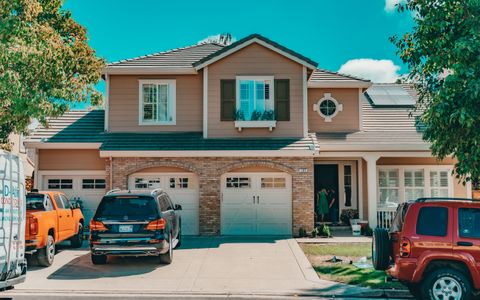
Combine auto with renters or homeowners coverage to simplify and save.

Full-time students with strong grades may be eligible for a discount.

Complete an approved defensive driving course to unlock savings.

Drive fewer miles than average? You may pay less for coverage.
Answer a few questions and we'll surface the savings options that may apply to your vehicle, drivers, and location.
Every plan can be fine-tuned. Start with the level that feels right and adjust limits and deductibles as you go.
Selected: Standard · Daily commuters, financed vehicles
Meets state minimums and keeps you legal on the road.
Best for: Older vehicles, budget-focused drivers
Balanced protection for your car and the people in it.
Best for: Daily commuters, financed vehicles
Our most complete coverage with extra support built in.
Best for: Newer vehicles, families, frequent travelers
A simple, transparent claims journey, with updates at every step and help on the roadside whenever you need it.
Start your claim online or in the app in a few minutes, any time of day.
A claims specialist reviews the details and keeps you updated along the way.
Choose a repair shop you trust or one from our network for a streamlined process.
Once repairs are complete, you're back to driving with confidence.
A few sample stories that show what an Auto Insurance experience is designed to feel like.
“Getting a quote was surprisingly simple. I understood exactly what I was choosing and why.”

“When I needed roadside help late at night, the app made it easy to share my location and get a tow.”

“Adding my teenager to the policy felt manageable. The coverage builder walked us through every option.”

“Switching coverage levels mid-year took a couple of taps. No phone tree, no paperwork.”

“Getting a quote was surprisingly simple. I understood exactly what I was choosing and why.”
“When I needed roadside help late at night, the app made it easy to share my location and get a tow.”
“Adding my teenager to the policy felt manageable. The coverage builder walked us through every option.”
“Switching coverage levels mid-year took a couple of taps. No phone tree, no paperwork.”
“Getting a quote was surprisingly simple. I understood exactly what I was choosing and why.”
“When I needed roadside help late at night, the app made it easy to share my location and get a tow.”
“Adding my teenager to the policy felt manageable. The coverage builder walked us through every option.”
“Switching coverage levels mid-year took a couple of taps. No phone tree, no paperwork.”
Straight answers to the things drivers ask most. Still curious? Our team is happy to help.
Auto insurance is a set of coverages. Liability helps pay for damage or injuries you cause to others. Collision and comprehensive help repair or replace your own vehicle. Optional coverages like medical payments, uninsured motorist, and roadside assistance add protection for you and your passengers.
A quote estimates your premium based on details like your ZIP code, vehicle, driving history, and the coverage you select. You can adjust coverage levels and deductibles to see how your estimate changes before you decide.
Common factors include where you live, the vehicle you drive, how much you drive, your driving record, the coverage limits you choose, and your deductible. Available discounts can also reduce your premium.
Yes. You can typically update coverage limits, add or remove vehicles and drivers, or change deductibles during your policy term. Changes may affect your premium going forward.
In many cases, the liability, collision, and comprehensive coverage on your personal policy extend to a rental car you drive in the U.S. Rental reimbursement is a separate coverage that helps pay for a rental while your own car is being repaired after a covered claim.
First, make sure everyone is safe and call emergency services if needed. Exchange contact and insurance details with other drivers, take photos of the scene and any damage, and report the claim as soon as you can.
If you've added roadside assistance to your policy, request help from the app or by phone. Share your location and the issue, and a service provider is dispatched for towing, jump-starts, flat tires, lockouts, or fuel delivery.
Practical advice for keeping your car and your wallet in good shape — plus timely reminders when a discount could help you save.
