9 Verified Models14-Day Statutory FDD Clock100% Neutral Research
Review the FDD Item 7Verify published investment rangesInterview operating franchisees14-day disclosure periodAltFTool is not a franchisor or brokerIndependent due diligence guideConsult qualified legal & CPA counselEducational information only
Review the FDD Item 7Verify published investment rangesInterview operating franchisees14-day disclosure periodAltFTool is not a franchisor or brokerIndependent due diligence guideConsult qualified legal & CPA counselEducational information only
Operating lanes & models
One industry. Five operating profiles.
01/ 05
Contract ModelRecurring B2B
Compliance StandardClinical Protocol
Operating CadenceDaytime Routes
Equipment FocusHeavy Machinery
Revenue StructureProject Milestone
01
Commercial Janitorial Services
High-retention recurring contracts with B2B facilities.
Office towers, educational campuses, and corporate parks require night or evening recurring cleaning. Contracts typically renew annually with predictable monthly billings.
02
Medical & Healthcare Sanitation
Strict regulatory protocols with premium margin potential.
Outpatient clinics, dental offices, and surgical centers adhere to CDC and OSHA infection-control guidelines. Requires specialized chemical chemistry and certified technicians.
03
Residential Route Operations
High frequency daytime routes with strong local density.
Residential franchises emphasize route density, recurring bi-weekly appointments, customer service excellence, and automated scheduling software.
04
Specialized Hard-Floor Restoration
Equipment-intensive service with high ticket commercial billing.
Stripping, waxing, buffing, and polishing VCT, concrete, terrazzo, and commercial hardwoods. Requires specialized machinery, transport vans, and surface knowledge.
05
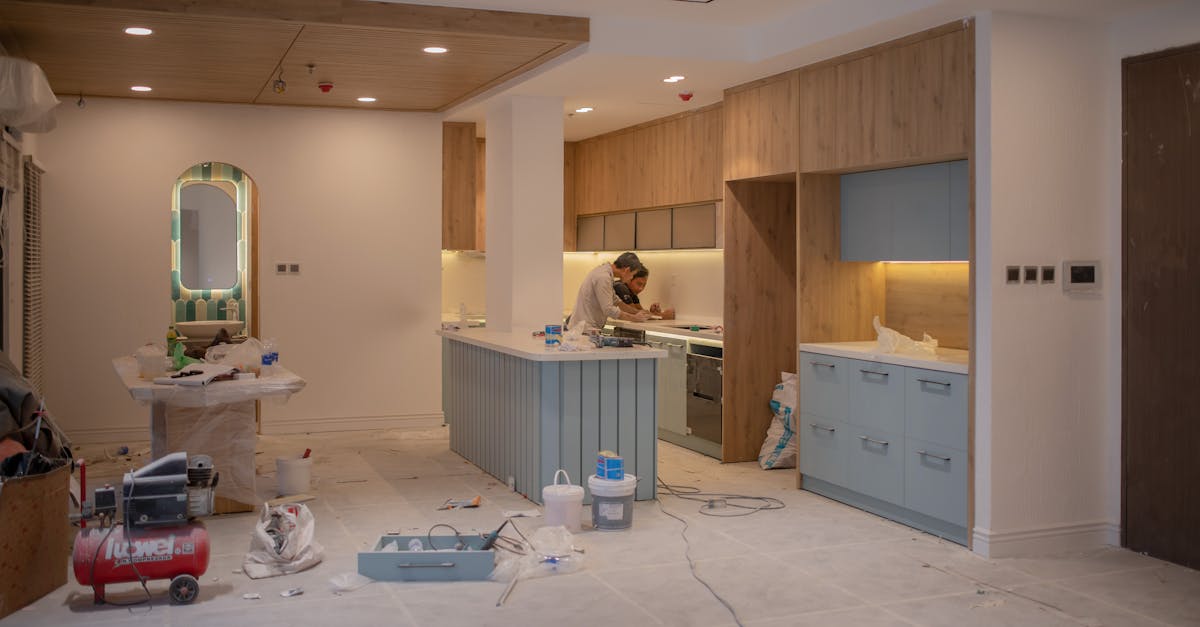
Post-Construction Turnover
Project-based contracts tied to general contractor milestones.
Rough cleans, final cleans, and powder-puff touchups preparing brand-new commercial buildings and renovations for certificate of occupancy inspections.
DILIGENCE PILLARS
The operational realities behind the brand
A franchise is not a guarantee of profitability — it is an operating system with specific fees, vendor requirements, and contractual limits. Examine these three structural pillars before committing.
Recurring Revenue Contracts
01 — Recurring Revenue Contracts
Predictable monthly B2B billings vs one-off jobs
Commercial janitorial and healthcare contracts operate on recurring 12-to-36 month scopes with auto-renew terms. While one-off residential deep cleans yield higher hourly bursts, commercial agreements establish stable cash flow baselines.
Consistent monthly invoicing cycle with B2B direct deposit
Requires working capital buffer to handle 30-to-60 day receivable terms
Equipment & Chemistry Standards
02 — Equipment & Chemistry Standards
Understanding proprietary systems & mandatory vendor rules
Item 8 of every Franchise Disclosure Document details whether you must purchase chemical concentrates, microfiber color-coding systems, floor scrubbers, and vans solely from approved franchisor distributors or open market vendors.
Item 8 reveals whether franchisors receive supplier rebates on your chemical orders
Initial equipment package cost versus local leasing options
Equipment maintenance cycles and warranty replacement guidelines
Territory Rights & Routing Density
03 — Territory Rights & Routing Density
Protected borders, corporate national accounts & route efficiency
In route-based cleaning franchises, profitability hinges directly on route travel time. Clarify whether your territory grant gives exclusive marketing rights or allows the franchisor to service national corporate accounts inside your zone.
Review territory definitions: population counts, zip codes, or radius miles
Verify whether national multi-unit accounts are carved out in Item 12
Route density reduces technician windshield time and maximizes margins
Compare before you commit
From marketing claims to a verified picture
Fragmented marketing ads, conflicting broker claims, and rough napkin estimates across 8 open browser tabs.
Territory exclusivityItem 12 – 100k Population Zone
DILIGENCE ROADMAP
From exploring models to signing an agreement
Due diligence is an active investigation. Cross-examine franchisor materials with independent third parties before signing.
01
Explore Cleaning Models
Compare customer contracts, night versus day shift rhythms, and equipment footprints across commercial, medical, residential, and specialty floor care.
Narrow your candidate list to models that match your liquid capital and lifestyle preference.
Commercial B2BMedical ClinicResidential RouteFloor Care
02
Audit Item 7 Start-up Costs
Map out every line item in the Franchise Disclosure Document's initial investment range, including chemical packages, vans, software, and insurance.
Always plan for the high end of the published range plus a dedicated operating cash reserve.
Franchise FeeEquipment PackageVehicle OutfittingWorking Capital
03
Interview 5+ Operating Franchisees
Item 20 provides the complete roster of current and recently departed operators. Call at least five owners in comparable territory tiers to validate real-world margins.
Ask about franchisor support responsiveness, client acquisition cost, and labor turnover rates.
Take advantage of the statutory 14-day FTC review window. Hire an independent franchise lawyer to inspect Item 12 territory rights and post-termination restrictions.
Never send initial fee deposits or sign promissory notes before legal sign-off.
Complete headquarters training, certify technicians on chemical handling and OSHA safety, set up routing software, and launch initial B2B sales outreach.
Focus on commercial contract retention and route density to build steady monthly margins.
HQ TrainingOSHA SafetyCommercial B2B SalesRoute Density
Step 1 of 5
DILIGENCE ROADMAP
Five steps to evaluate a franchise
01
Explore Cleaning Models
Compare customer contracts, night versus day shift rhythms, and equipment footprints across commercial, medical, residential, and specialty floor care.
Narrow your candidate list to models that match your liquid capital and lifestyle preference.
Commercial B2BMedical ClinicResidential RouteFloor Care
02
Audit Item 7 Start-up Costs
Map out every line item in the Franchise Disclosure Document's initial investment range, including chemical packages, vans, software, and insurance.
Always plan for the high end of the published range plus a dedicated operating cash reserve.
Franchise FeeEquipment PackageVehicle OutfittingWorking Capital
03
Interview 5+ Operating Franchisees
Item 20 provides the complete roster of current and recently departed operators. Call at least five owners in comparable territory tiers to validate real-world margins.
Ask about franchisor support responsiveness, client acquisition cost, and labor turnover rates.
Take advantage of the statutory 14-day FTC review window. Hire an independent franchise lawyer to inspect Item 12 territory rights and post-termination restrictions.
Never send initial fee deposits or sign promissory notes before legal sign-off.
Complete headquarters training, certify technicians on chemical handling and OSHA safety, set up routing software, and launch initial B2B sales outreach.
Focus on commercial contract retention and route density to build steady monthly margins.
HQ TrainingOSHA SafetyCommercial B2B SalesRoute Density
CAPITAL MODELING
Capital allocation is more than just the franchise fee
Adjust the sliders to model how start-up capital is realistically dispersed between the upfront license fee, mandatory machinery/vehicle packages, and essential cash operating reserves.
Estimated start-up capital$85,000
$35,000$250,000
Ongoing royalty fee6.0%
410
Working capital runway6 months
312
Total Est.$0
Initial Franchise FeeItem 5 upfront grant · Click to request kit
$0
Equipment & Startup PackageItem 7 machinery & transport · Click to request kit
$0
Reserve Working Capital6 months cushion · Click to request kit
$0
A SIDE-BY-SIDE VIEW
Compare cleaning models
Select two operational categories below to evaluate how client contracts, equipment capital, and labor staffing stack up side by side.
Routine care for offices and shared facilities, with service scope and schedules shaped by each client agreement.
Cleaning for clinical environments where site protocols, product requirements and access rules need close review.
Ideal Customer Profile
Who signs the contract & pays the invoices
Commercial Janitorial CleaningRequest FDD Item →
Businesses and institutions
Medical Facility CleaningRequest FDD Item →
Healthcare operators and facility managers
Operating Environment
Physical setting & property types serviced
Commercial Janitorial CleaningRequest FDD Item →
Offices and shared facilities
Medical Facility CleaningRequest FDD Item →
Clinics and other care environments
Day-to-Day Work Cadence
Routine schedules, night shifts vs project calls
Commercial Janitorial CleaningRequest FDD Item →
Often recurring schedules; cadence depends on the service agreement.
Medical Facility CleaningRequest FDD Item →
Scheduled routines and defined task cycles; site requirements vary.
Equipment & Supplies Required
Transport, extraction machines & chemistry needs
Commercial Janitorial CleaningRequest FDD Item →
Carts, floor tools, supplies and transport; scope dependent.
Medical Facility CleaningRequest FDD Item →
Facility-approved supplies and protective equipment may be required.
Staffing & Labor Dynamics
Solo route vs scalable crew management
Commercial Janitorial CleaningRequest FDD Item →
May involve a team as service scope expands.
Medical Facility CleaningRequest FDD Item →
Access, shift coverage and role-specific preparation to investigate.
Site access, safety procedures and quality checks.
Medical Facility CleaningRequest FDD Item →
Facility procedures, safety and any applicable infection-control requirements.
• Side-by-Side Verification
Need the full 23-item FDD disclosure comparison?
Receive verified Item 19 average gross margins, royalty breakdowns, and territory protections for Commercial Janitorial Cleaning and Medical Facility Cleaning.
EXPLORE THE LANDSCAPE
Nine cleaning models to research
Explore customer profiles, operational cadence, and staffing footprints across nine distinct sub-sectors before settling on a franchise category.
Recurring Contracts
Commercial Janitorial Cleaning
Routine care for offices and shared facilities, with service scope and schedules shaped by each client agreement.
Customer:Businesses and institutions
Setting:Offices and shared facilities
Cadence:Often recurring schedules; cadence depends on the service agreement.
High Compliance
Medical Facility Cleaning
Cleaning for clinical environments where site protocols, product requirements and access rules need close review.
Customer:Healthcare operators and facility managers
Setting:Clinics and other care environments
Cadence:Scheduled routines and defined task cycles; site requirements vary.
Home Routes
Residential Cleaning
Home-focused services that can range from repeat visits to one-time deep cleans, depending on the business model.
Customer:Homeowners, tenants and property managers
Setting:Houses, apartments and residential properties
Cadence:Repeat visits, move-related cleans or individual projects.
Specialty Machines
Specialized Floor Care
Maintenance or restoration of hard-surface floors, with methods and equipment determined by the surface and scope.
Customer:Commercial property owners and facility teams
Setting:Hard-surface floors in commercial or residential spaces
Cadence:Scheduled maintenance, restoration projects or both.
Extraction Systems
Carpet & Upholstery Cleaning
Textile-focused work that may involve extraction, spot treatment or fabric care, depending on the service offered.
Customer:Households, offices and property managers
Setting:Carpets, rugs and upholstered furnishings
Cadence:Often appointment or project based; repeat work depends on clients.
Project Milestones
Post-Construction Cleaning
A project-based category focused on preparing renovated or newly built spaces for handover and use.
Customer:Builders, contractors and property owners
Setting:New builds, renovations and recently completed projects
Cadence:Project-led, with timing connected to construction milestones.
Exterior & Glazing
Window Cleaning
Glass and window care across a range of building types, with access methods and safety needs varying by site.
Customer:Homeowners, businesses and building managers
Setting:Residential glazing and commercial building exteriors
Cadence:Recurring maintenance or one-off visits, depending on the client.
Specialized Protocols
Disinfection & Specialty Cleaning
Specialist services with defined product, surface and site requirements that should be verified before offering.
Customer:Organizations, property operators and households
Setting:Spaces requiring defined specialty cleaning protocols
Cadence:Scheduled or project-based; demand and scope vary by customer.
Custom Services
Other Professional Services
A broad label for niche or combined cleaning offers; clarify exactly what a specific operator is equipped to deliver.
Customer:Varies by the specific service and buyer
Setting:Specialized, mixed-use or industry-specific sites
Cadence:May combine recurring service with individual projects.
FEDERAL REGULATION & DUE DILIGENCE
Understand the Franchise Disclosure Document
Under FTC federal franchise rules, franchisors are legally obligated to deliver an FDD at least 14 days before you sign any binding contract or pay any fees. Here are eight critical sections to scrutinize with your attorney.
ITEM 01
Franchisor background
Company history, leadership, predecessors and any relevant past litigation or bankruptcy disclosures.
Unlock Item 01 Analysis→
ITEM 02
Initial investment & fees
Fee terms and the low-to-high estimated investment table disclosed for the offering in Item 7.
Unlock Item 02 Analysis→
ITEM 03
Operating obligations
Contractual operating duties, quality standards, and restrictions described for both franchisee and franchisor.
Unlock Item 03 Analysis→
ITEM 04
Training & operational support
What training is provided, where it occurs, who pays travel costs, and ongoing software/field support.
Unlock Item 04 Analysis→
ITEM 05
Territorial protections
Whether a protected territory exists, how geographic boundaries are set, and corporate account carve-outs.
Unlock Item 05 Analysis→
ITEM 06
Agreement & renewal terms
Contract duration, renewal fees, transfer conditions, dispute jurisdiction, and post-termination non-competes.
Unlock Item 06 Analysis→
ITEM 07
Financial performance claims
Item 19 representations — examine whether figures show gross revenue or net profit, and sample size included.
Unlock Item 07 Analysis→
ITEM 08
Audited financial statements
Three years of audited parent company balance sheets and income statements to evaluate franchisor solvency.
Unlock Item 08 Analysis→
14
The 14-Day Statutory Review Clock
Never sign or send deposits before the full 14 days expire. Use this mandatory window for CPA and legal audits.
Keep key verification priorities visible as you review disclosure documents and speak with franchisors. Your selections remain local to your browser session.
Audit Progress2 of 10 items (20%)
·
Item 01
Review the total estimated investment in Item 7 and what it includes
Item 02
Understand all initial and recurring royalties, tech fees and brand funds
Item 03
Verify equipment and approved-supplier purchase requirements
Item 04
Understand training, operational support and ongoing obligations
Item 05
Review territory restrictions, radius exclusivity and national accounts
Item 06
Check contract, renewal, transfer and termination terms
Item 07
Investigate commercial liability insurance, bonding and local licensing
Item 08
Evaluate working-capital reserves needed for net-30/60 billing cycles
Consult independent franchise attorneys and certified accountants
KEEP RESEARCH MOVING
Official & educational resources
Explore key regulatory portals, official franchise guidelines, and due diligence benchmarks.
01
Compare service categories
Use the model comparison to explore customers, settings and operating questions.
02
Map initial and recurring costs
Review the expense categories that may shape an operating plan.
03
Prepare for an FDD review
See the disclosure topics and questions to raise with qualified advisers.
04
Organize your due diligence
Use the checklist to keep research questions visible as you evaluate.
COMMON QUESTIONS
Cleaning franchise FAQs
Key questions buyers ask regarding regulatory requirements, earnings disclosures, working capital, and legal safeguards.
A cleaning franchise is a business arrangement in which an operator uses a franchisor's brand and operating system under a written agreement. The services, obligations, fees and support depend on the specific offering and contract.
FRANCHISE DUE DILIGENCE NEWSLETTER
Stay ahead with independent due diligence briefings.