


01
Understand the FDD
The Franchise Disclosure Document contains 23 mandatory items covering fees, obligations, territory, and financials. Read every page before signing.
Understand the automotive service industry, compare business models, and research the considerations that matter before choosing your next business opportunity.
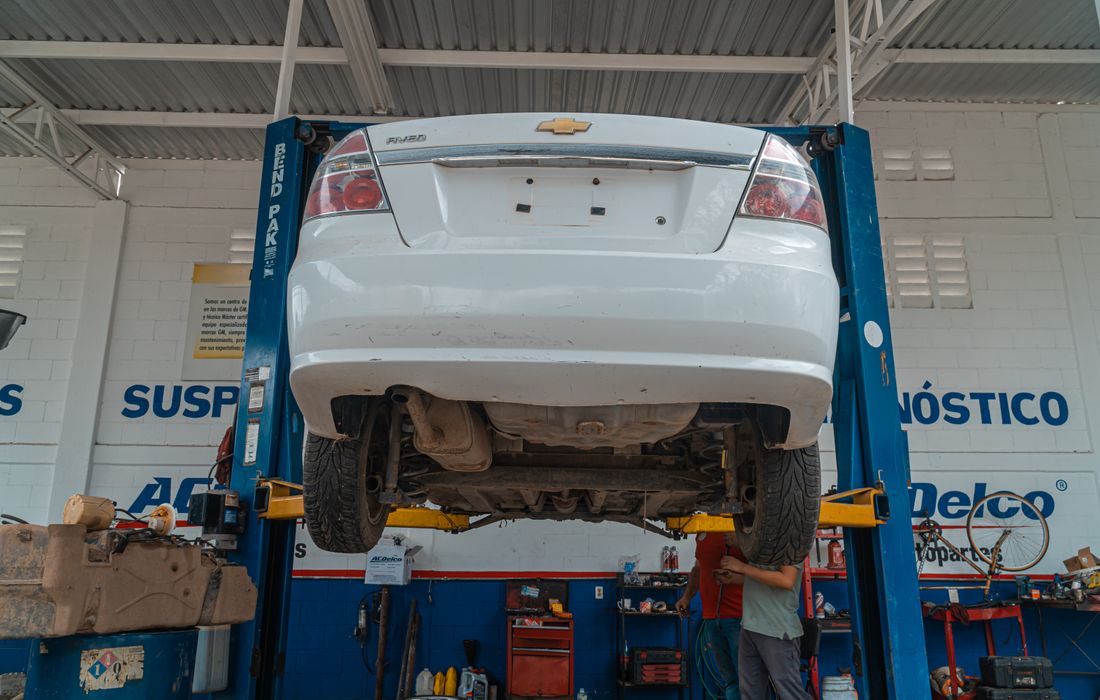
High-volume,
repeat visits.
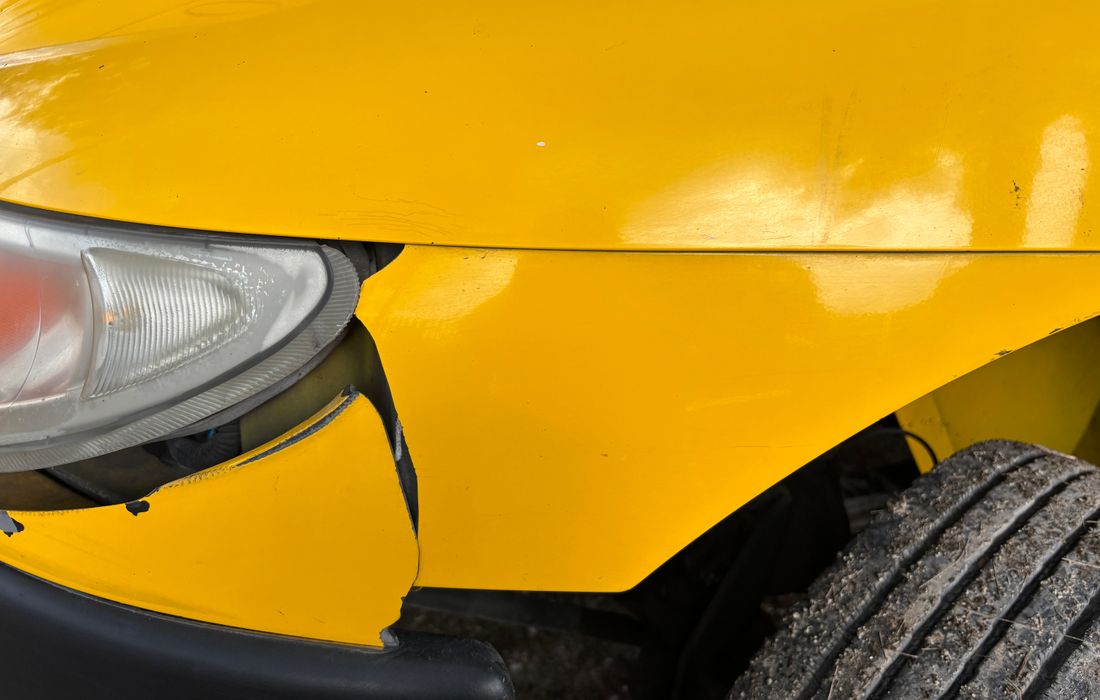
Insurer-driven
referral model.
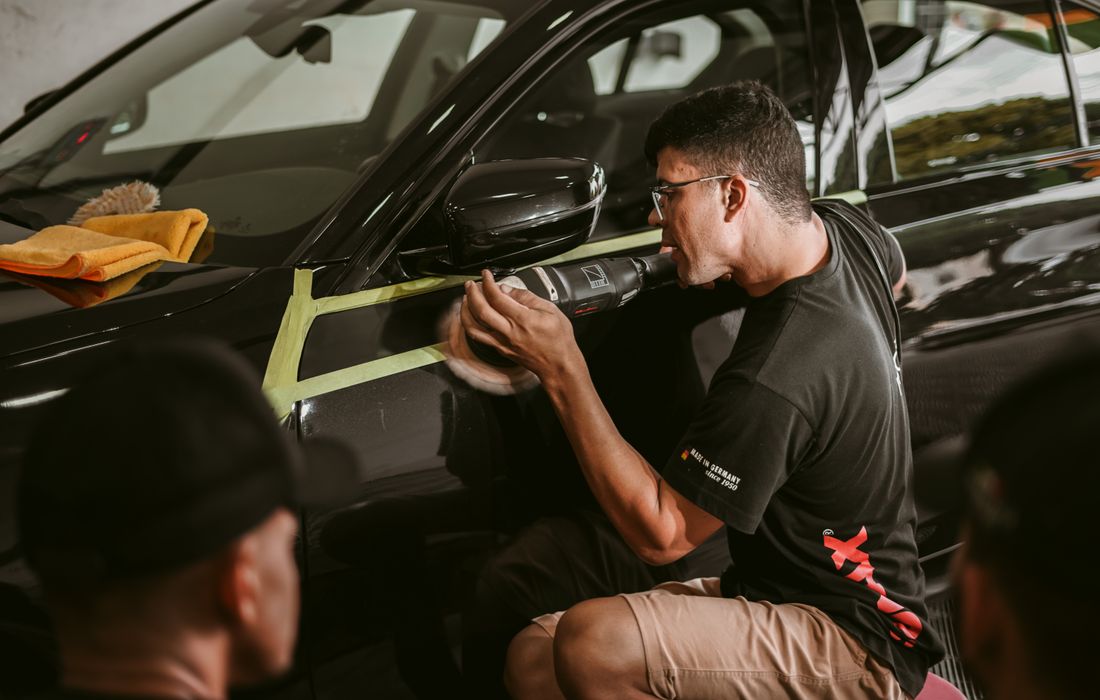
Compact setup,
flexible scale.
Service Models
9 Categories
FDD Items
23 Disclosed
FTC Minimum
14-Day Hold
Every automotive franchise category is different. The right choice depends on your capital, risk appetite, local market, and the kind of operation you want to run day-to-day.
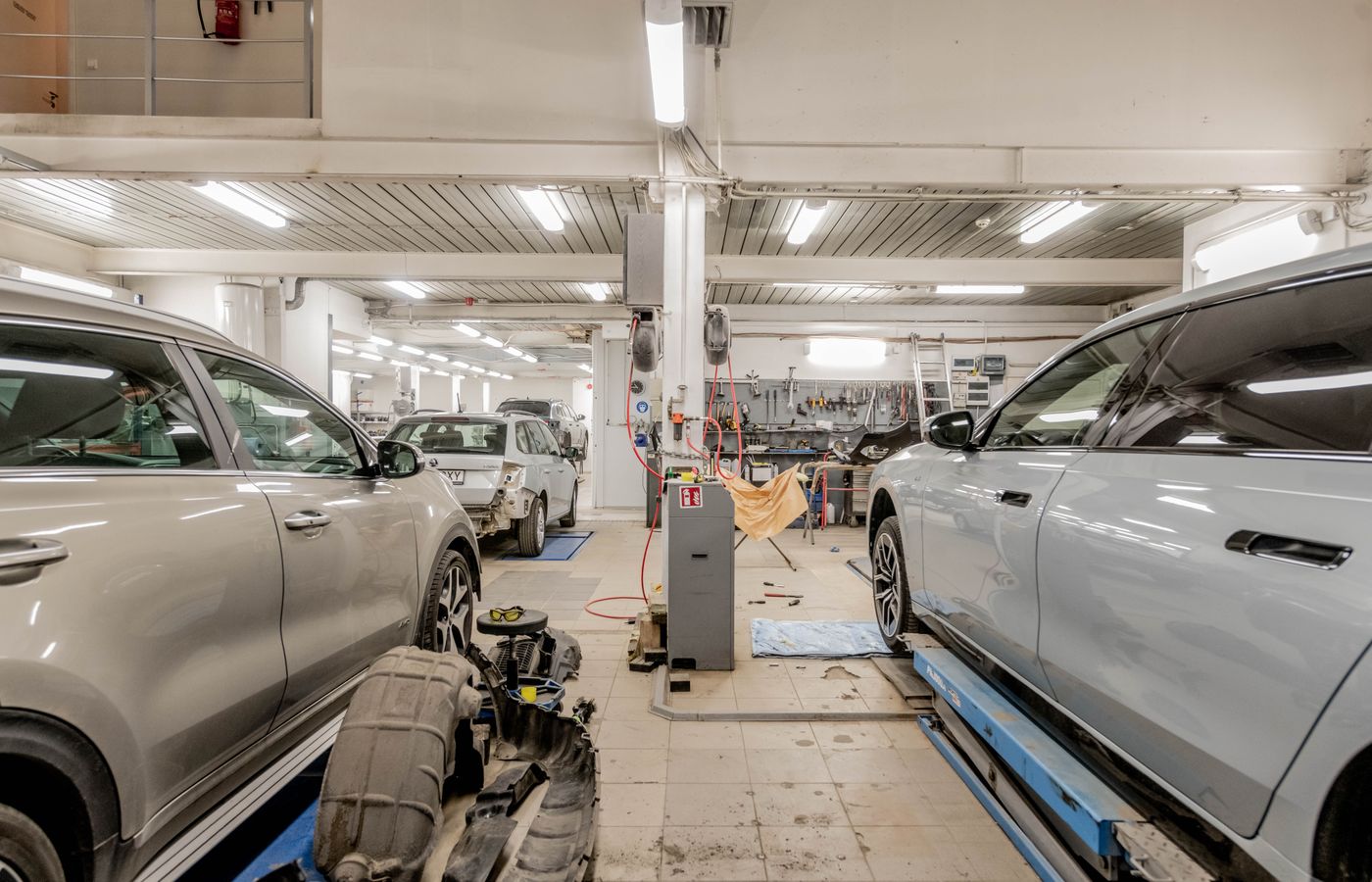
Key Ownership Factors
From hand tools and polishers to lifts, paint booths, and wash tunnels — every model has a different setup profile.
Compact mobile operations, drive-through bays, and large multi-bay workshops all demand different real estate.
Some categories rely on trainable process-driven roles; others require certified, experienced technicians.
Customer demand patterns, consumables, inventory, and utilities shape each model's week-to-week economics.
Research Essentials
These five areas separate informed franchise candidates from those who regret their decision. Work through each before you commit.
The Franchise Disclosure Document contains 23 mandatory items covering fees, obligations, territory, and financials. Read every page before signing.
The Franchise Disclosure Document contains 23 mandatory items covering fees, obligations, territory, and financials. Read every page before signing.

Match the business model to your skills, capital, and risk tolerance. Quick-lube differs fundamentally from collision repair in staffing and premises.

Understand population density, competitor presence, and local demand patterns before committing to a specific market or location.
Build a comprehensive cost model: franchise fee, equipment, fit-out, inventory, working capital, royalties, and insurance — before the first dollar is spent.
Contact current and former franchisees listed in the FDD. Their real-world experience is the most unfiltered data point available to you.
Start Here
Automotive service businesses are not interchangeable. A quick-lube bay, a collision repair center, and a mobile detailing operation differ in the equipment they need, the premises they occupy, the people they hire, the customers they serve, and the expenses they carry month after month.
This independent guide breaks down nine common service categories so you can compare them on practical factors — before you ever talk to a franchisor. Requirements always vary by operator, location, business model, and franchisor, so treat this as a research starting point, not a substitute for official disclosures or professional advice.
From hand tools and polishers to lifts, paint booths, and wash tunnels — every model has a different setup profile.
Compact mobile operations, drive-through bays, and large multi-bay workshops all demand different real estate.
Some categories rely on trainable process-driven roles; others require certified, experienced technicians.
Customer demand patterns, consumables, inventory, and utilities shape each model's week-to-week economics.
Service Categories
Educational overviews of common automotive service categories — presented for research purposes, not as verified available franchise offers.
Lower ComplexityFast-turnaround oil changes, fluid checks, filter swaps, and routine preventative maintenance built around speed and convenience for everyday drivers.
Moderate ComplexityTire replacement, rotation, balancing, and alignment alongside brake pad, rotor, and brake system services — recurring safety-critical work.
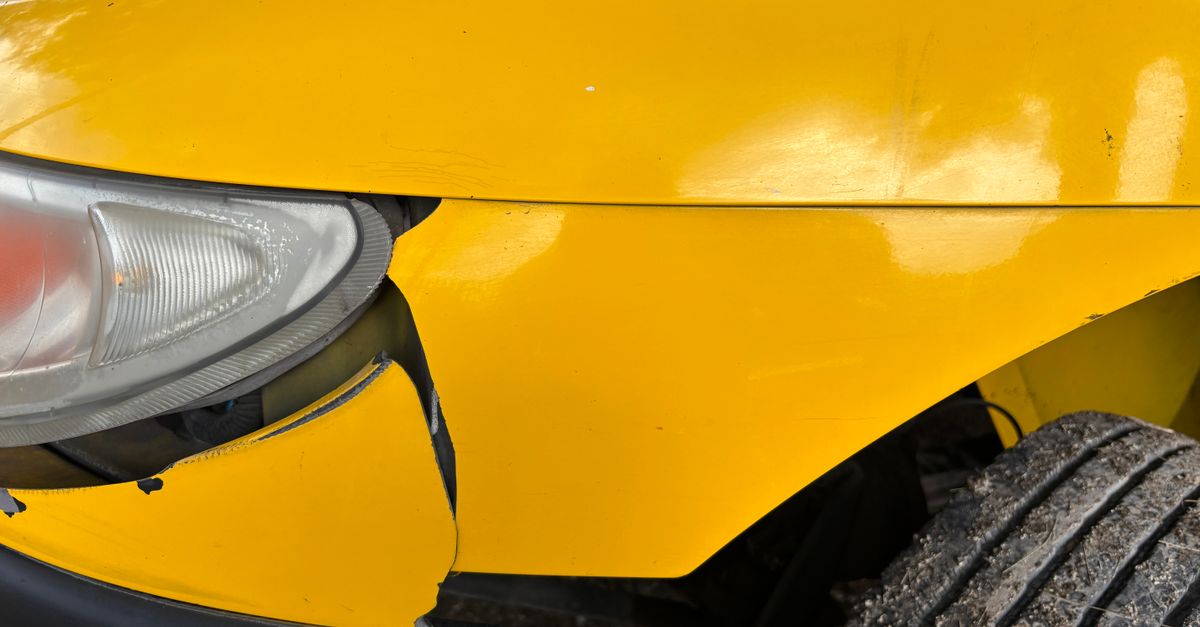
Higher ComplexityAccident-related body repairs, panel replacement, refinishing, and vehicle restoration — often coordinated with insurers and parts suppliers.
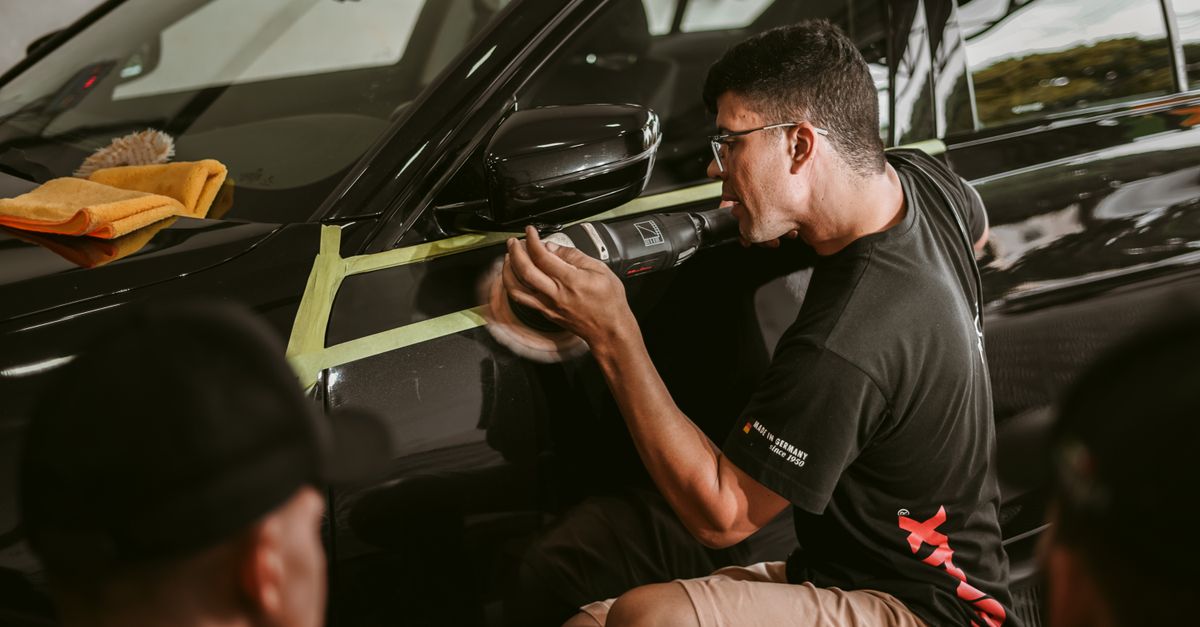
Lower ComplexityInterior deep cleaning, exterior polishing, paint care, and appearance services that restore and maintain how vehicles look and feel.
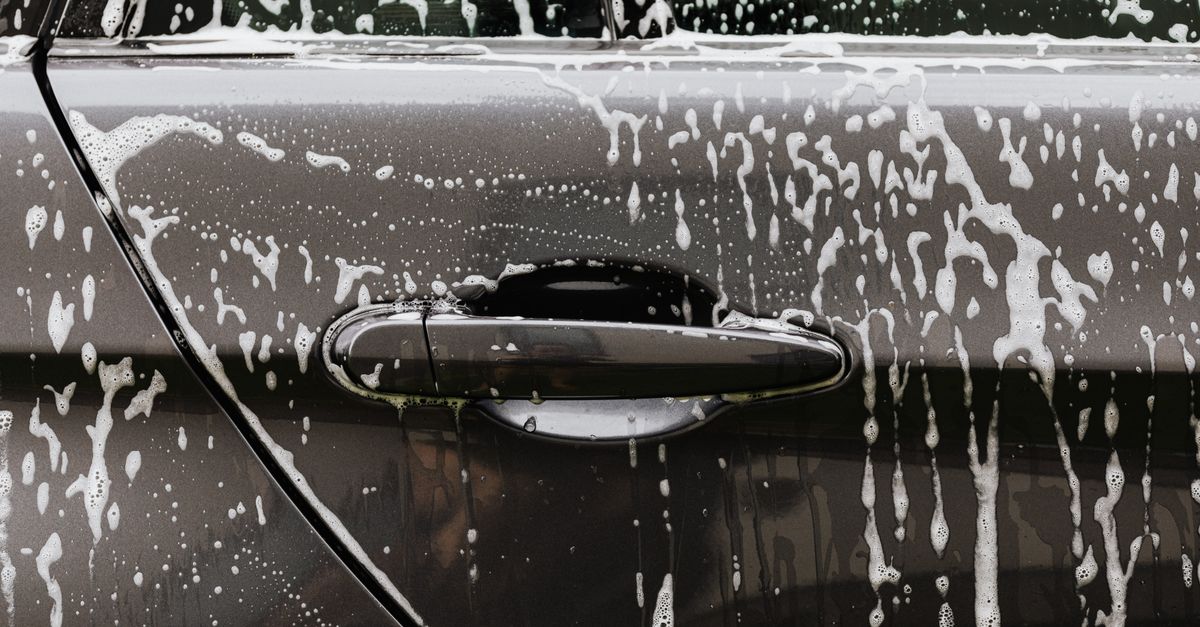 Moderate Complexity
Vehicle washing and exterior appearance maintenance — from express tunnels to hand-wash formats — built around volume and convenience.
Higher ComplexityMechanical repairs, computer diagnostics, and broad vehicle maintenance across engines, transmissions, suspension, and electrical systems.
 Moderate Complexity
Windshield chip repair, full glass replacement, and recalibration-adjacent services for modern vehicles — often with mobile service options.
 Moderate Complexity
Paint protection film, ceramic coatings, and premium appearance treatments that preserve and enhance vehicle finishes.
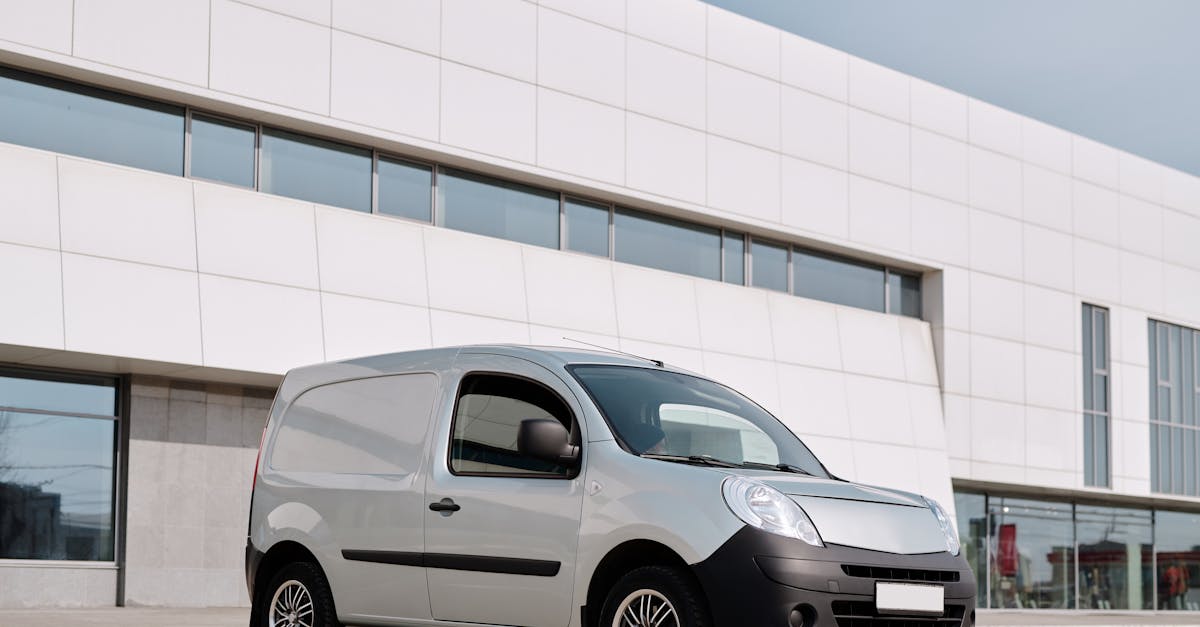 Higher Complexity
Scheduled service and maintenance programs for commercial vehicles and fleets, where uptime, scheduling, and account relationships matter most.
Compare Service Models
Select up to three models to compare premises, equipment, staffing, complexity, service offerings, expenses, and customer acquisition side by side.
3 of 3 models selected — deselect one to swap in another.
| Factor | Quick-Lube Services | Tire & Brake Services | Collision Repair |
|---|---|---|---|
| Premises & space | Drive-through bays or pits; smaller footprint than full repair shops | Multi-bay workshop with tire storage space | Larger industrial premises with paint booth and prep areas |
| Equipment & setup | Lifts or service pits, fluid dispensing systems, filters and consumables | Tire changers, balancers, alignment equipment, brake lathes, lifts | Frame machines, paint booths, welding and refinishing equipment |
| Staffing & skills | Small teams; trainable roles with process-driven routines | Trained technicians; tire-specific certifications may help | Skilled body technicians and refinishers; higher training needs |
| Operational complexity | Lower Complexity | Moderate Complexity | Higher Complexity |
| Potential service offerings | Oil changes, fluid top-ups, filters, wipers, basic inspections | Tires, rotation, balancing, alignment, brake pads and rotors | Body repair, panel replacement, refinishing, restoration |
| Ongoing expense drivers | Consumables, fluids, waste-oil disposal, bay upkeep | Tire inventory, parts, equipment maintenance, storage | Paint and materials, parts, booth operation, compliance |
| Customer acquisition | High-visibility locations, repeat maintenance intervals, convenience positioning | Seasonal demand cycles, safety-driven visits, price comparison shoppers | Insurer relationships, referrals, reputation for quality work |
Drive-through bays or pits; smaller footprint than full repair shops
Lifts or service pits, fluid dispensing systems, filters and consumables
Small teams; trainable roles with process-driven routines
Oil changes, fluid top-ups, filters, wipers, basic inspections
Consumables, fluids, waste-oil disposal, bay upkeep
High-visibility locations, repeat maintenance intervals, convenience positioning
Multi-bay workshop with tire storage space
Tire changers, balancers, alignment equipment, brake lathes, lifts
Trained technicians; tire-specific certifications may help
Tires, rotation, balancing, alignment, brake pads and rotors
Tire inventory, parts, equipment maintenance, storage
Seasonal demand cycles, safety-driven visits, price comparison shoppers
Larger industrial premises with paint booth and prep areas
Frame machines, paint booths, welding and refinishing equipment
Skilled body technicians and refinishers; higher training needs
Body repair, panel replacement, refinishing, restoration
Paint and materials, parts, booth operation, compliance
Insurer relationships, referrals, reputation for quality work
FDD-First Research
Understanding Franchise Investment
Prospective owners typically research these cost categories. Actual amounts depend on the business model, franchisor, location, and agreement — always verify figures through official disclosure documents.
If you join a franchise system, an upfront fee may apply. Review the franchisor's current disclosure documents for specifics.
Lifts, diagnostic systems, wash equipment, or detailing tools vary widely by service model and by franchisor standards.
Location size, lease terms, and build-out requirements depend heavily on the model and the market you choose.
Parts, fluids, chemicals, films, or tires needed to open — requirements differ by category and supplier agreements.
Recruiting, onboarding, and any required certification or franchisor-led training programs for you and your team.
Business insurance, environmental permits, and local licensing requirements vary by jurisdiction and service type.
Grand-opening and ongoing local marketing, plus any brand-fund contributions a franchise agreement may require.
A reserve to cover operating costs while the business ramps up. Appropriate levels depend on your plan and market.
Franchise systems may charge continuing royalties, technology, or brand-fund fees. Confirm these in the agreement itself.
Ownership Guide
A structured, research-first path from first exploration to a realistic business plan — follow the step-by-step roadmap.
01
Understand the available automotive service categories and how they differ in day-to-day operations.
02
Investigate costs, premises, equipment, skills, and the operational demands of the models you shortlist.
03
Review the relevant franchisor's disclosures, contract terms, training programs, and ongoing support.
04
Consult appropriate legal, financial, and business professionals before committing to any agreement.
05
Assess location, operations, budget, and launch requirements with a realistic, well-documented plan.
Researching a franchise does not guarantee approval, funding, profitability, or business success. Outcomes depend on the operator, market, and agreement.
Owner's Research Checklist
Work through these questions for every model and franchisor you consider. Track your progress as you research — check items off to see your readiness grow.
Business Planning Resources
Educational summaries to structure your research — each topic connects directly to the operational realities of automotive franchise ownership.
Weigh your interests, skills, capital, and local demand against the day-to-day realities of each model.
Consider visibility, traffic patterns, zoning, competitor density, and lease terms before shortlisting sites.
Each model carries different equipment, staffing, and compliance demands that shape your daily operations.
Arrive at franchisor conversations with structured questions about fees, support, territories, and terms.
Understand obligations, renewal conditions, and restrictions — and have a qualified professional review them.
Build a cost model across setup, operations, and reserves using the categories every owner should research.
Think through how each model attracts first-time customers and earns repeat visits or contracts over time.
FAQ
Balanced, educational answers. For formal commitments, always review official franchisor disclosures and seek qualified professional advice.
Explore service models, understand ownership considerations, and make your next research step with greater clarity and confidence.
Independent educational information service · Not a franchisor or broker.
