Loading page







01 / PROCESS
Get the estimate in writing before you approve the repair.
01 - Describe the problem. Tell us what you are experiencing: a strange noise, a warning light, a smell, a performance issue, or a routine maintenance concern.
02 - Explore listed shops. Review independent repair-shop options and the information each one makes available about how they scope and price their work.
03 - Compare written estimates. Look for parts, labor hours, shop rate, shop supplies, diagnostic charges and the recommended work - line by line, before anything is authorized.
04 - Approve the repair. Read the written estimate and the warranty or service terms, then decide whether to authorize the work.

FAQ & Advice
Frequently asked questions
Straight answers on estimates, additional work, shop fees, and warranty terms. Click or hover any question to reveal answers.
Is AutoFix Pro a repair shop?
No. AutoFix Pro is a demo provider-listing concept and does not itself perform vehicle repairs.
What do I receive when I submit my email?
The free Repair Cost Guide and the Questions-to-Ask-Your-Mechanic Checklist.
Are the repair cost ranges guaranteed?
No. Any educational cost ranges are illustrative. Actual pricing depends on the vehicle, market, parts, labor and inspection findings.
Should I get a written estimate?
Yes. Understand the written estimate - parts, labor, fees and repair scope - before you authorize any work.
Can a repair shop add additional work?
Additional work may be identified during inspection. Review any revised estimate before authorizing further repairs.
What should I ask about warranty coverage?
Ask what is covered, for how long, mileage limits, exclusions, required inspections, and who administers the coverage.
02 / CLARITY
What a transparent estimate looks like
A clear estimate is written before the work begins. It separates parts, labor and shop fees, shows the labor hours and the shop rate being used, and explains why a repair is recommended rather than leaving it to be discovered later.
Estimates are still estimates. Actual costs can vary with the vehicle, the market, parts, labor and what inspection uncovers - which is exactly why a revised estimate should come back to you before any additional work is approved.


03 / PROTECTION
A warranty is a contract - understand the terms
Warranty or service-contract coverage may depend on the covered repairs, the parts used, labor, time limits, mileage limits, exclusions, required inspections and the contract requirements themselves.
Ask who administers the coverage and what it does not include. A warranty is a contract, not an unconditional guarantee. Look for labor coverage terms and claim requirements in writing.
Illustrative repair scenarios
ILLUSTRATIVE EXAMPLE
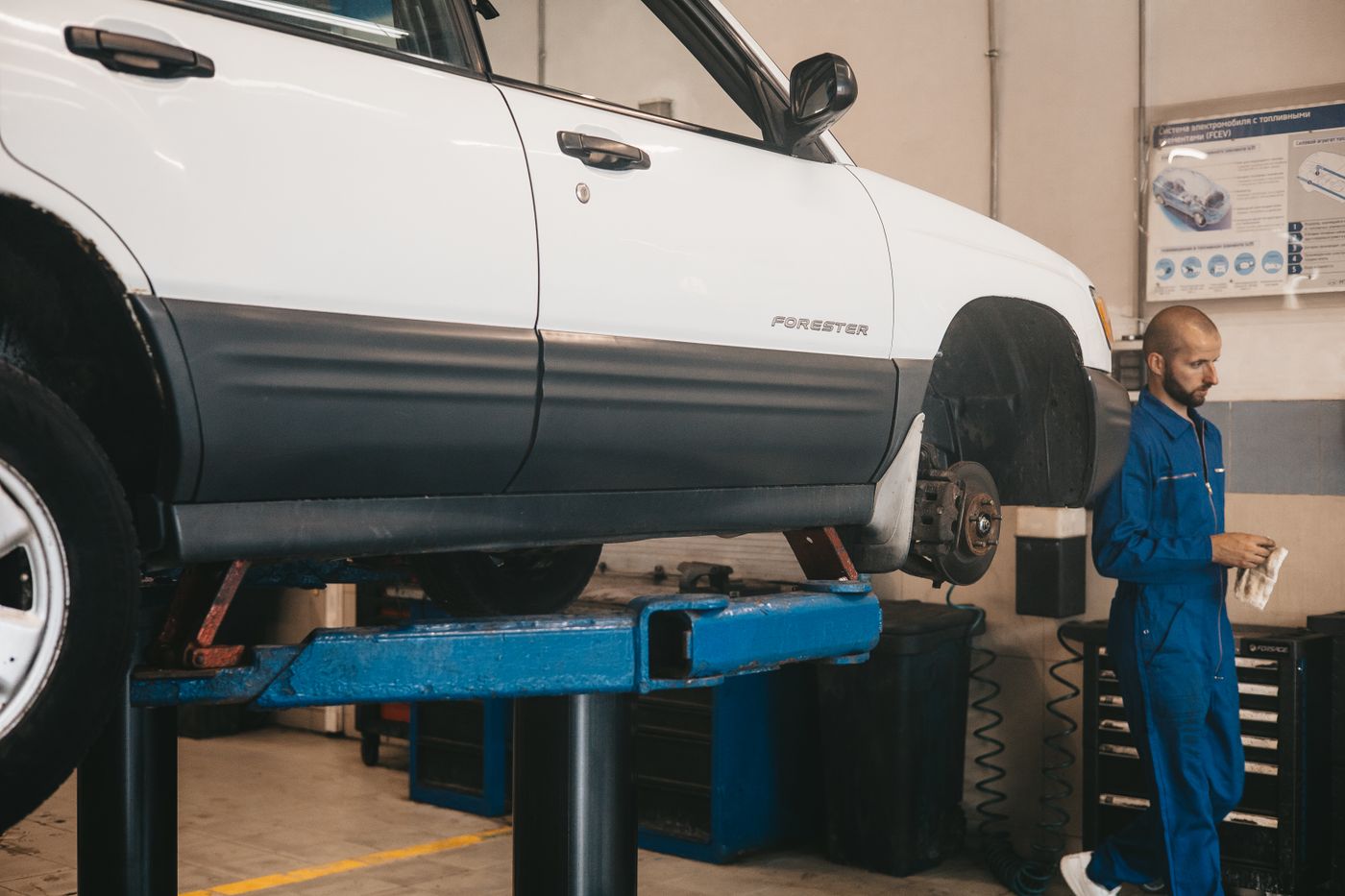
Alignment was not in the suspension estimate
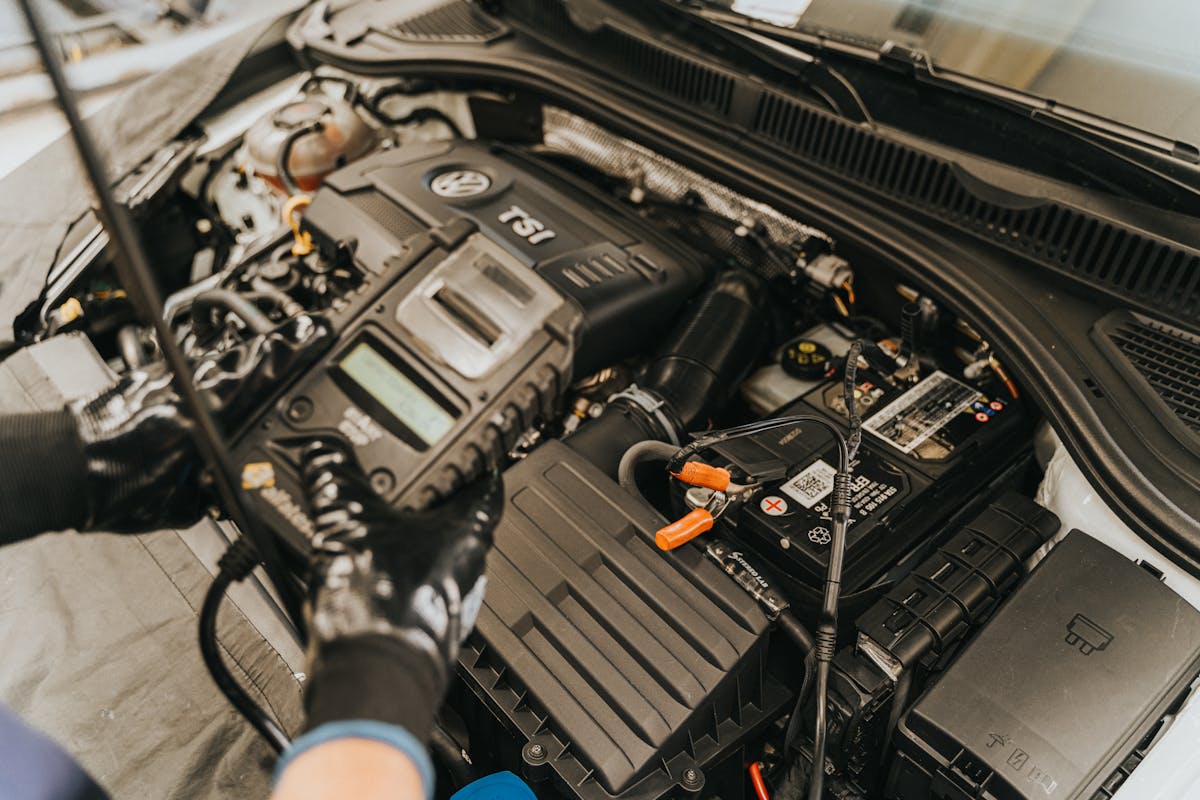
A driver comparing two written suspension estimates noticed that one included an alignment and the other listed it as optional. Asking what the quoted scope actually covers surfaced the difference before any work was approved.
ILLUSTRATIVE EXAMPLE
Two written A/C estimates
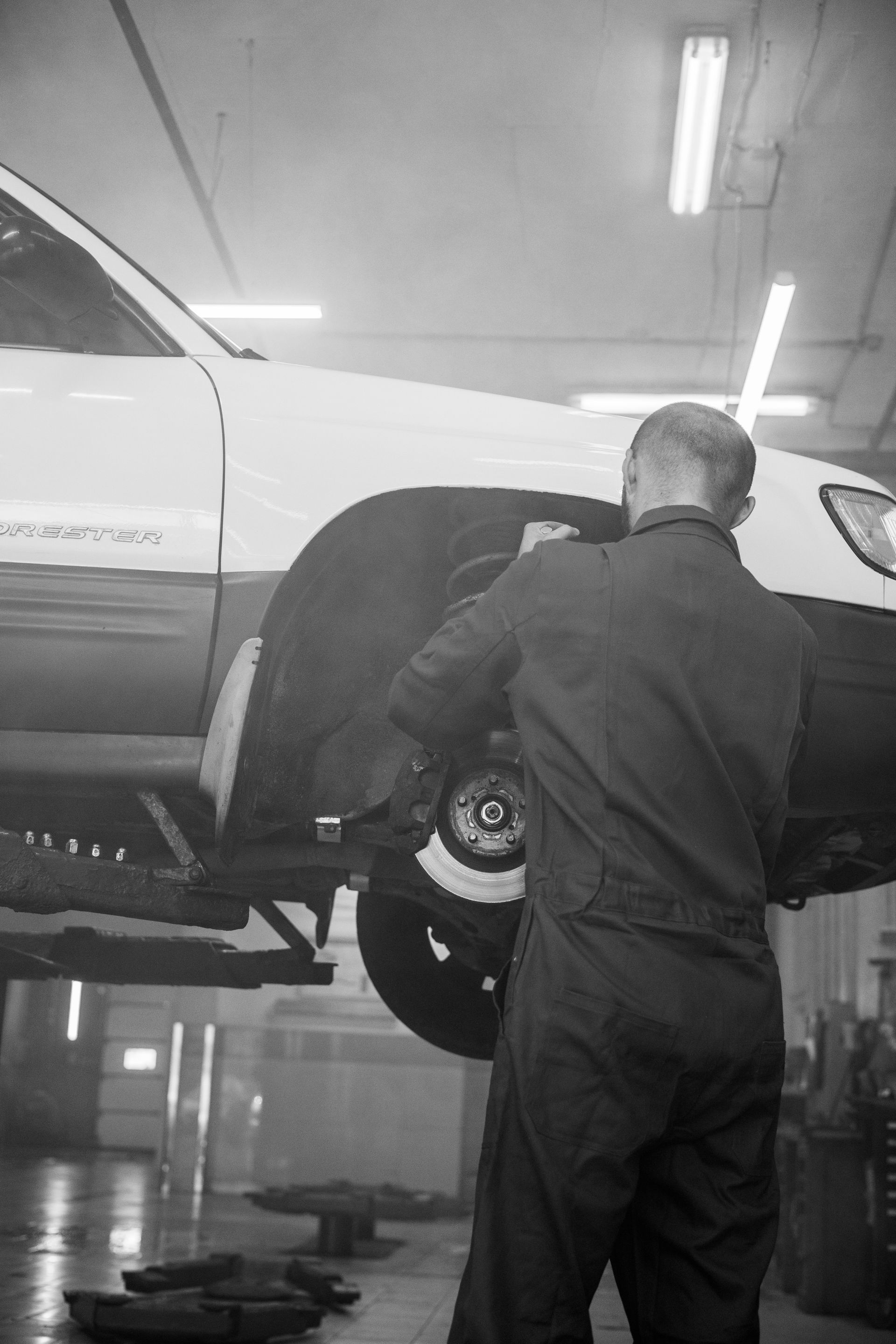
One listed a compressor. The other listed diagnostic time first. Comparing them showed how differently the same job can be scoped.
Repair topics
Swipe common repair questions

Itemized estimate
Transmission
Transmission
Fluid, repair or rebuild
Repair scope
before approving
A/C
A/C
Leak, recharge, compressor
Parts & labor
plus refrigerant

What to ask
Diagnostics
Diagnostics
Check-engine light
Diagnostic charge
applied to repair?

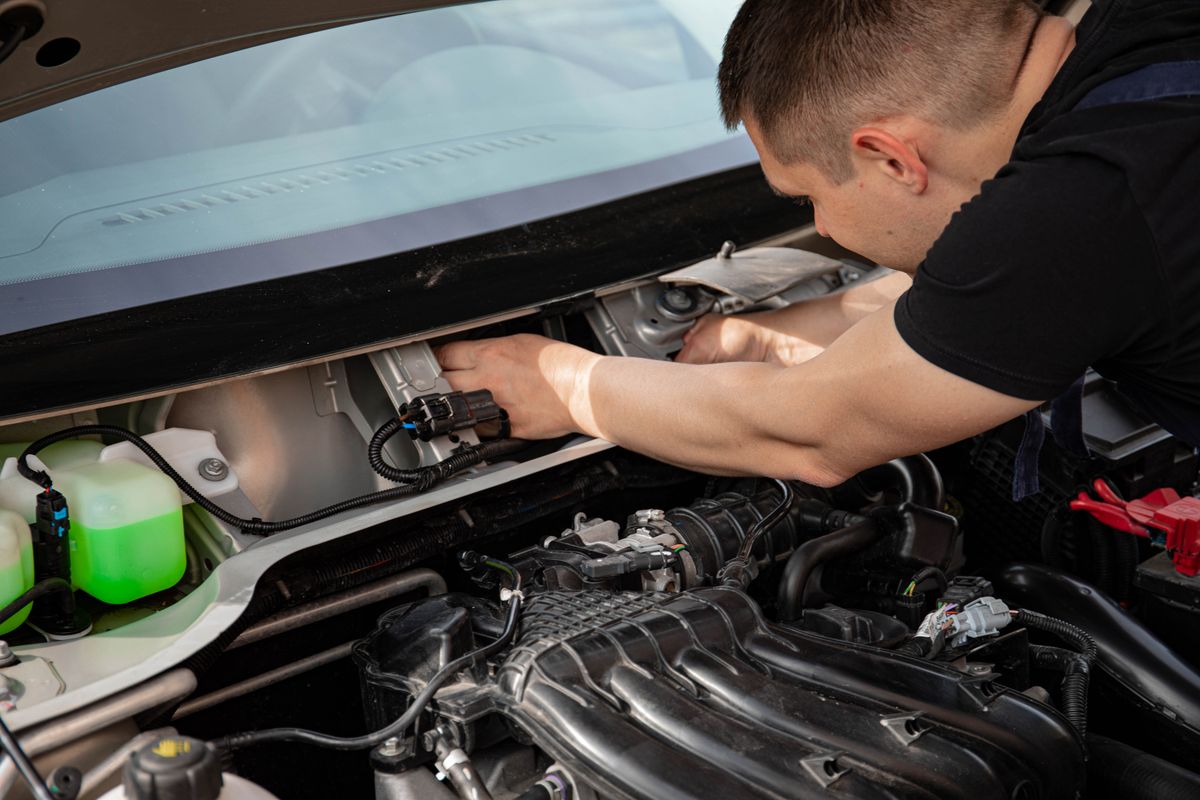
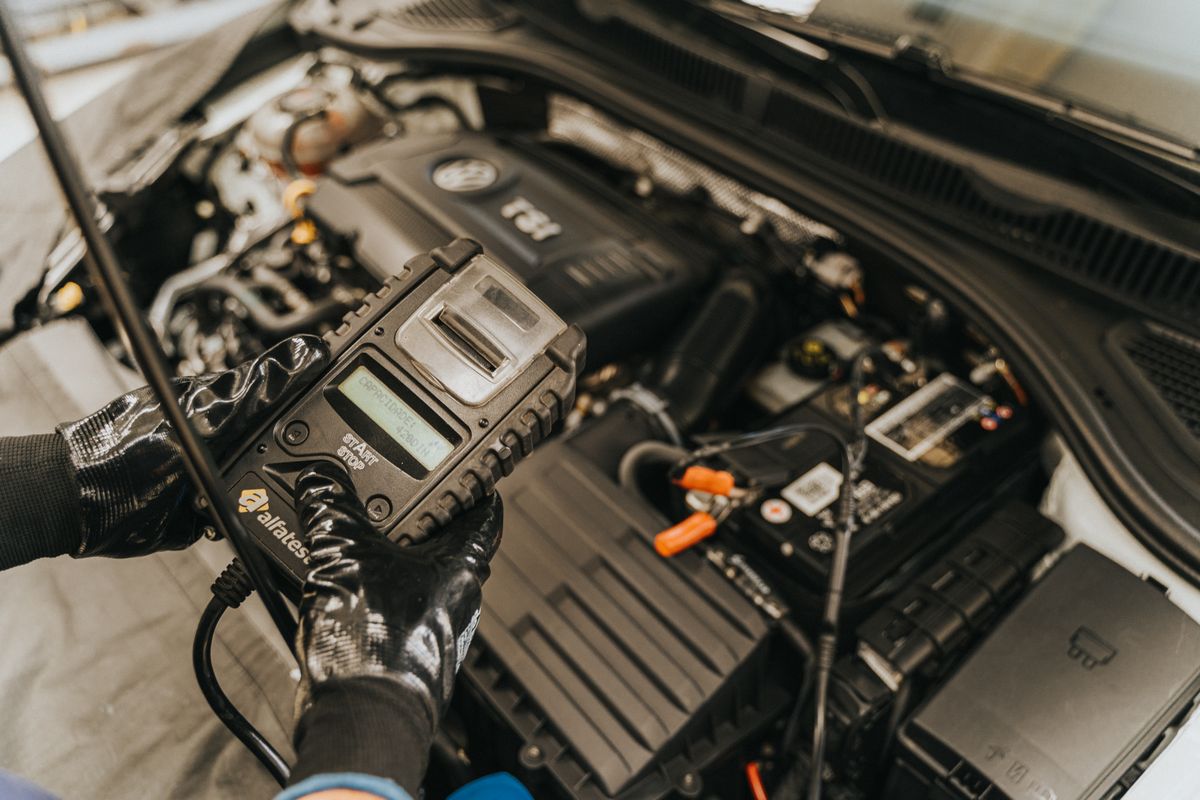
3 / 8 Topics
From the Repair Cost Guide
READING THE ESTIMATE
How to read a repair estimate line by line
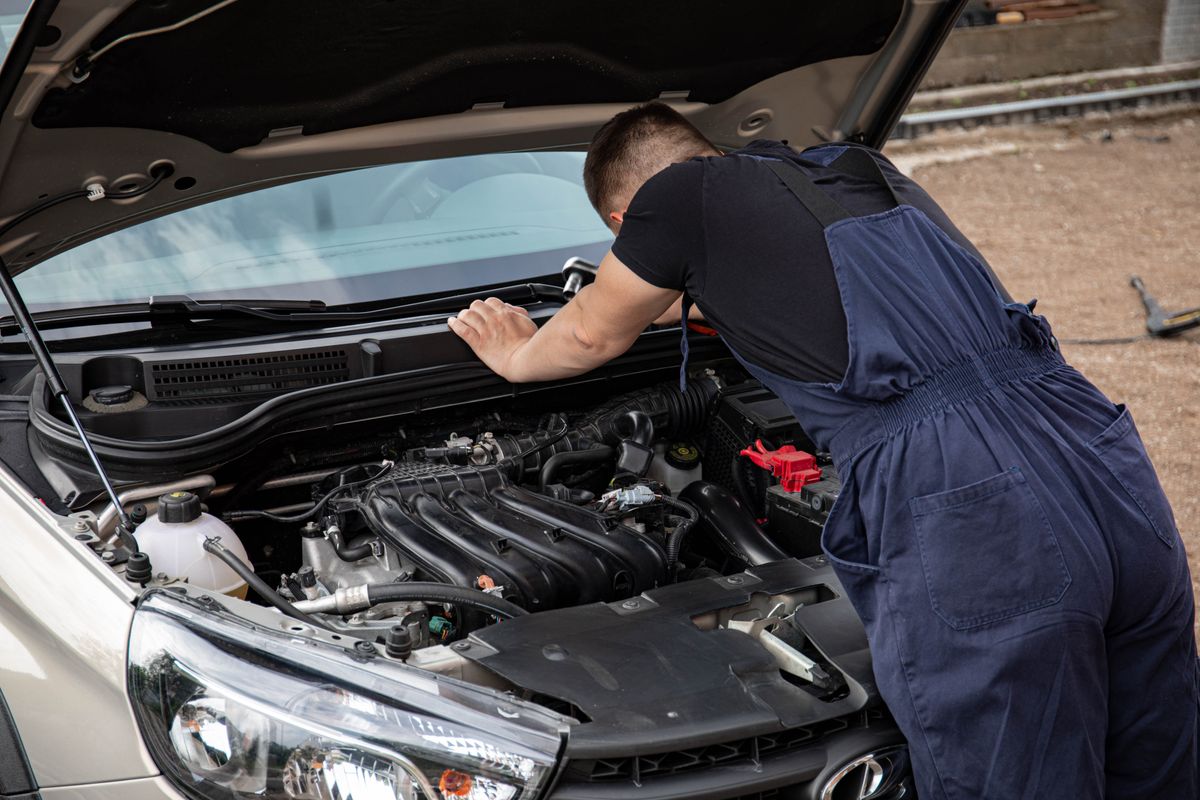
Parts, labor hours, shop rate, shop supplies and diagnostic charges each tell you something different about the job. Here is what every line on a written estimate should be telling you before you approve it.

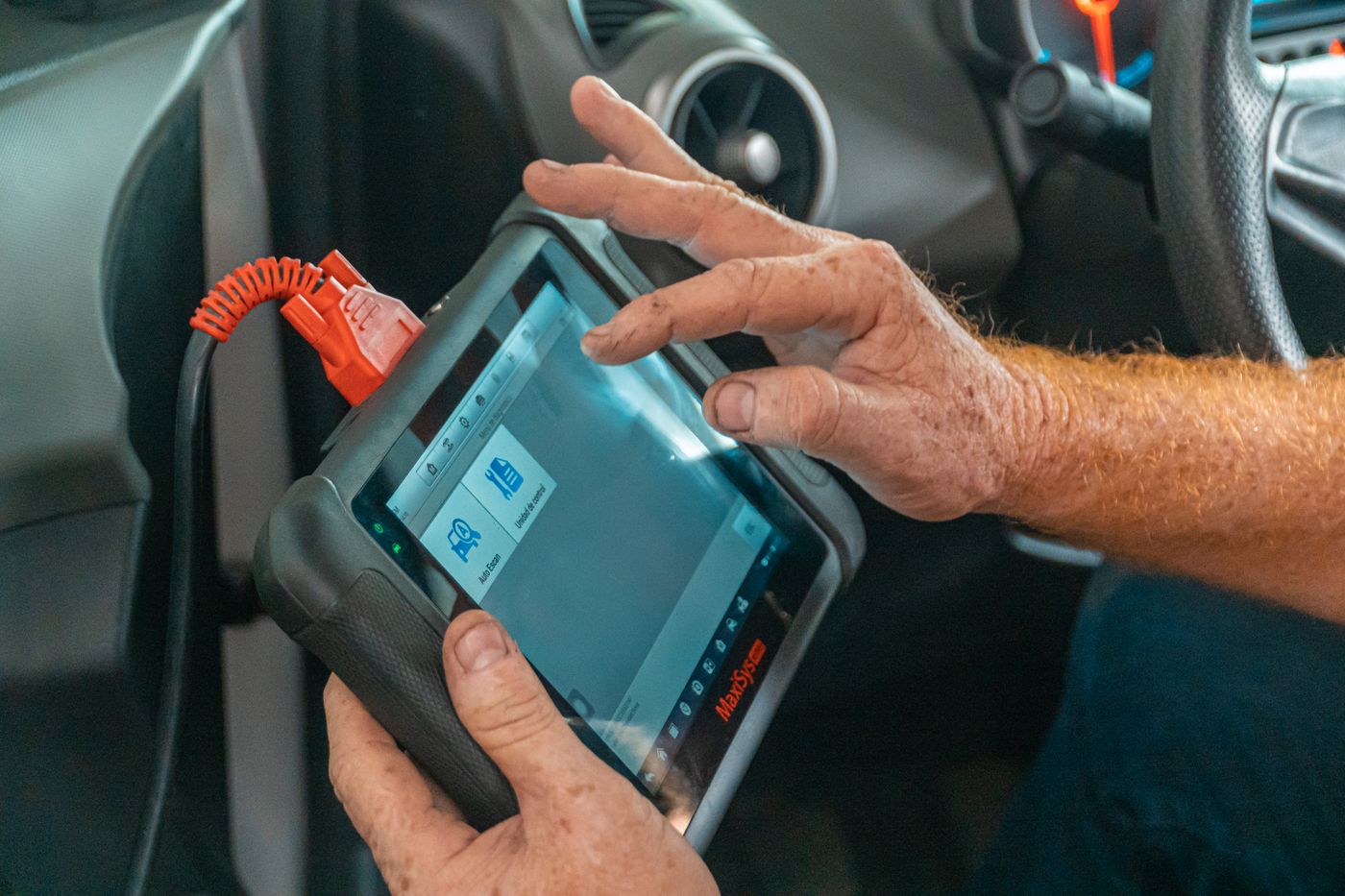
CHECK-ENGINE DIAGNOSTICS
A code is a starting point, not a verdict
An error code narrows down where a fault is being reported. Ask which test confirmed the failed component before a replacement is approved.
Free Resource
Get the Free Repair Cost Guide
Enter your email to receive the Repair Cost Guide + Questions-to-Ask-Your-Mechanic Checklist. Inside: illustrative cost ranges for common repairs, what a written estimate should contain, how parts and labor are separated, what shop supplies and fees mean, and the questions worth asking before you approve work.
Get the Free Repair Cost Guide