Loading page
42 SitesIndia
Now showing
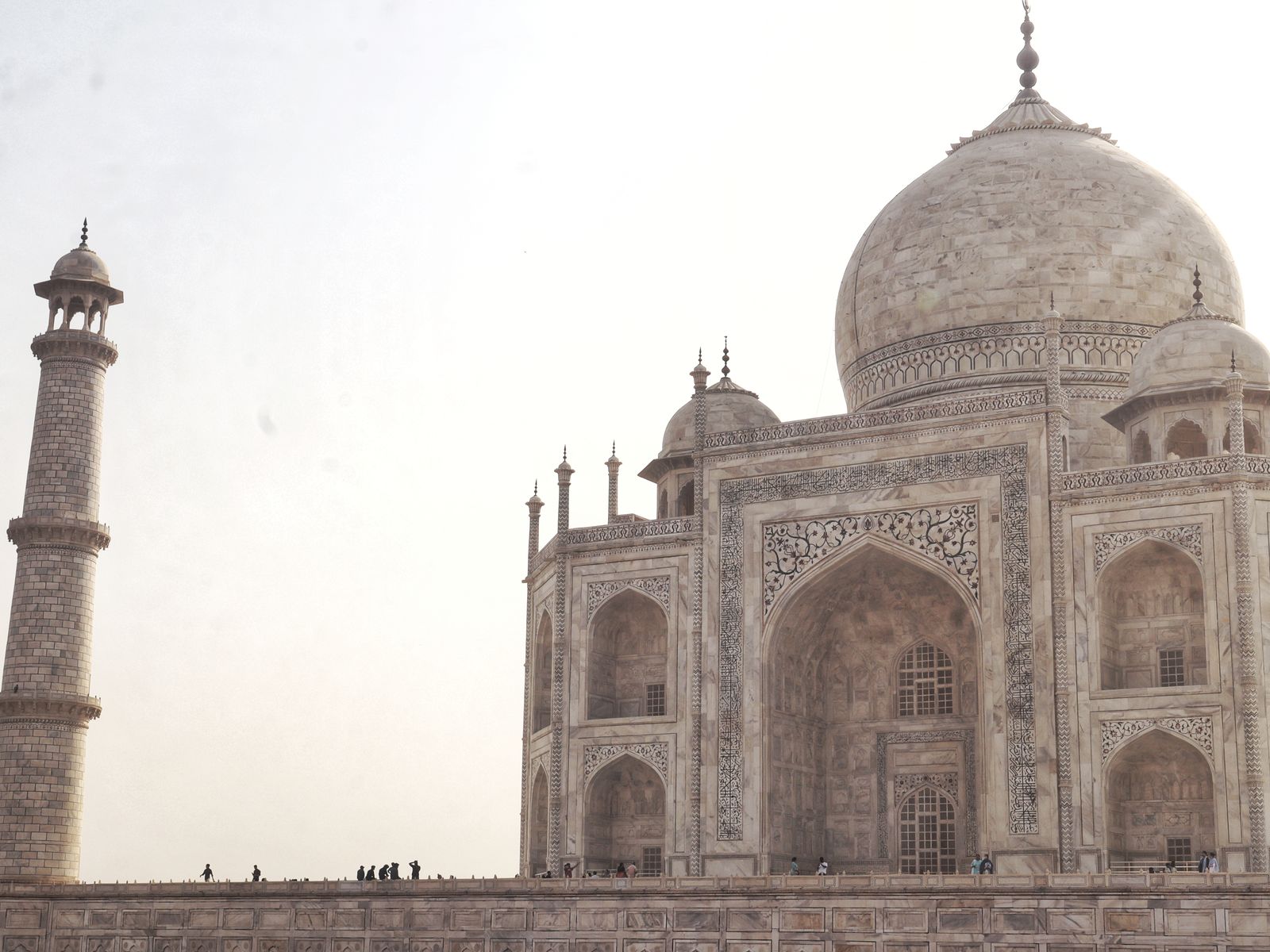
Taj Mahal
An endless scroll gallery — 42 UNESCO sites
India's
Living Heritage
A linear journey through every UNESCO World Heritage site of India. Massive imagery, rich galleries, paced typography. Click any site title to read its full story.
Taj Mahal ◆Ellora Caves ◆Ajanta Caves ◆Agra Fort ◆Sun Temple, Konark ◆Mahabalipuram ◆Kaziranga National Park ◆Manas Wildlife Sanctuary ◆Keoladeo National Park ◆Churches & Convents of Goa ◆Fatehpur Sikri ◆Group of Monuments at Hampi ◆Khajuraho Group of Monuments ◆Elephanta Caves ◆Great Living Chola Temples ◆Pattadakal ◆Sundarbans National Park ◆Nanda Devi & Valley of Flowers ◆Buddhist Monuments at Sanchi ◆Humayun's Tomb ◆Qutub Minar Complex ◆Mountain Railways of India ◆Mahabodhi Temple ◆Rock Shelters of Bhimbetka ◆Champaner-Pavagadh ◆Chhatrapati Shivaji Terminus ◆Red Fort Complex ◆Jantar Mantar ◆Western Ghats ◆Hill Forts of Rajasthan ◆Rani-ki-Vav ◆Nalanda Mahavihara ◆Khangchendzonga National Park ◆Historic City of Ahmedabad ◆Victorian Gothic & Art Deco Mumbai ◆Jaipur, the Pink City ◆Dholavira ◆Ramappa Temple (Kakatiya) ◆Santiniketan ◆Sacred Ensembles of the Hoysalas ◆Moidams of the Ahom Dynasty ◆Maratha Military Landscapes ◆Taj Mahal ◆Ellora Caves ◆Ajanta Caves ◆Agra Fort ◆Sun Temple, Konark ◆Mahabalipuram ◆Kaziranga National Park ◆Manas Wildlife Sanctuary ◆Keoladeo National Park ◆Churches & Convents of Goa ◆Fatehpur Sikri ◆Group of Monuments at Hampi ◆Khajuraho Group of Monuments ◆Elephanta Caves ◆Great Living Chola Temples ◆Pattadakal ◆Sundarbans National Park ◆Nanda Devi & Valley of Flowers ◆Buddhist Monuments at Sanchi ◆Humayun's Tomb ◆Qutub Minar Complex ◆Mountain Railways of India ◆Mahabodhi Temple ◆Rock Shelters of Bhimbetka ◆Champaner-Pavagadh ◆Chhatrapati Shivaji Terminus ◆Red Fort Complex ◆Jantar Mantar ◆Western Ghats ◆Hill Forts of Rajasthan ◆Rani-ki-Vav ◆Nalanda Mahavihara ◆Khangchendzonga National Park ◆Historic City of Ahmedabad ◆Victorian Gothic & Art Deco Mumbai ◆Jaipur, the Pink City ◆Dholavira ◆Ramappa Temple (Kakatiya) ◆Santiniketan ◆Sacred Ensembles of the Hoysalas ◆Moidams of the Ahom Dynasty ◆Maratha Military Landscapes ◆
01
Chapter 011983
Agra, Uttar PradeshA marble poem to love
Commissioned by Shah Jahan in memory of Mumtaz Mahal. The ivory-white marble mausoleum, with its perfect symmetry and pietra dura inlay, glows differently at every hour of the day.
CulturalUNESCO 1983
14 photographs

02
Chapter 021983
MaharashtraA mountain carved from the top down
34 monasteries and temples cut from basalt cliffs between 600–1000 CE. Its Kailasa Temple is the largest monolithic structure in the world.
CulturalUNESCO 1983
14 photographs

03
Chapter 031983
MaharashtraPainted prayers in a horseshoe gorge
29 Buddhist cave monuments with masterful murals narrating the Jataka tales. Pigments survive two millennia, lit only by oil lamps.
CulturalUNESCO 1983
13 photographs
04
Chapter 041983
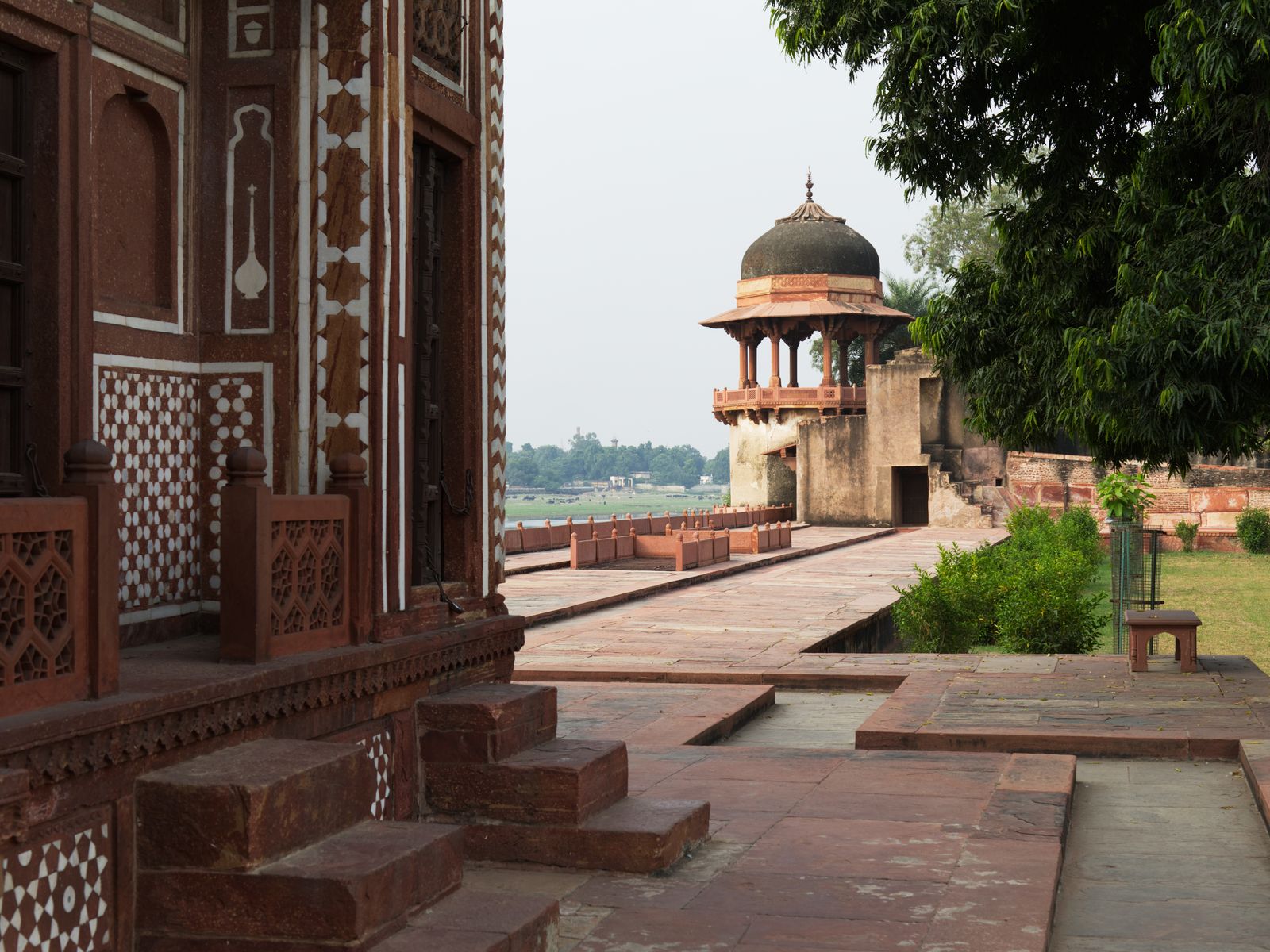
Agra, Uttar PradeshRed sandstone power
Mughal stronghold of red sandstone, where Shah Jahan was imprisoned overlooking his beloved Taj across the Yamuna.
CulturalUNESCO 1983
6 photographs
05
Chapter 051984
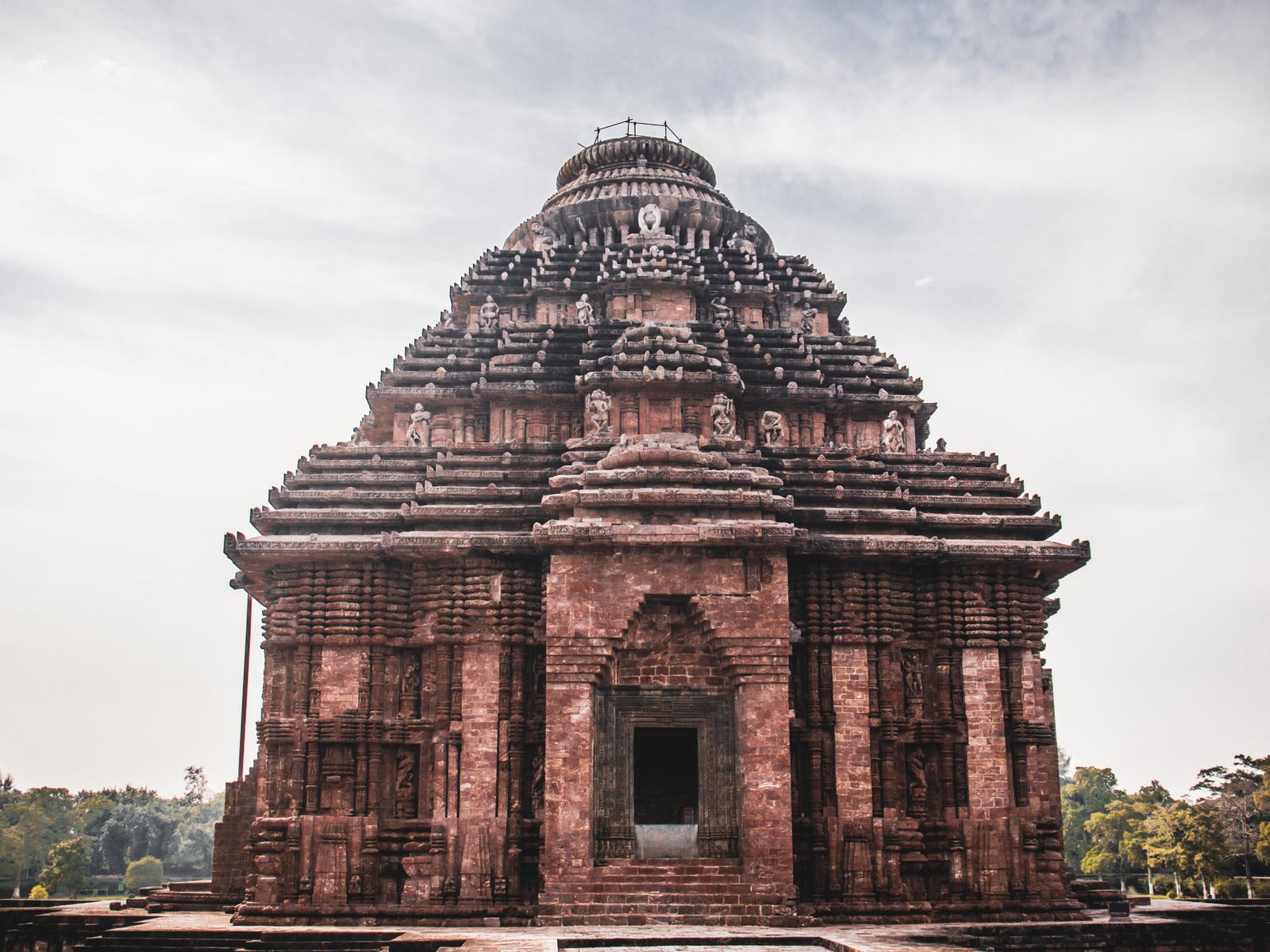
OdishaThe chariot of Surya
A 13th-century temple conceived as the colossal chariot of the Sun God, drawn by seven horses with 24 intricately carved wheels.
CulturalUNESCO 1984
11 photographs
06
Chapter 061984
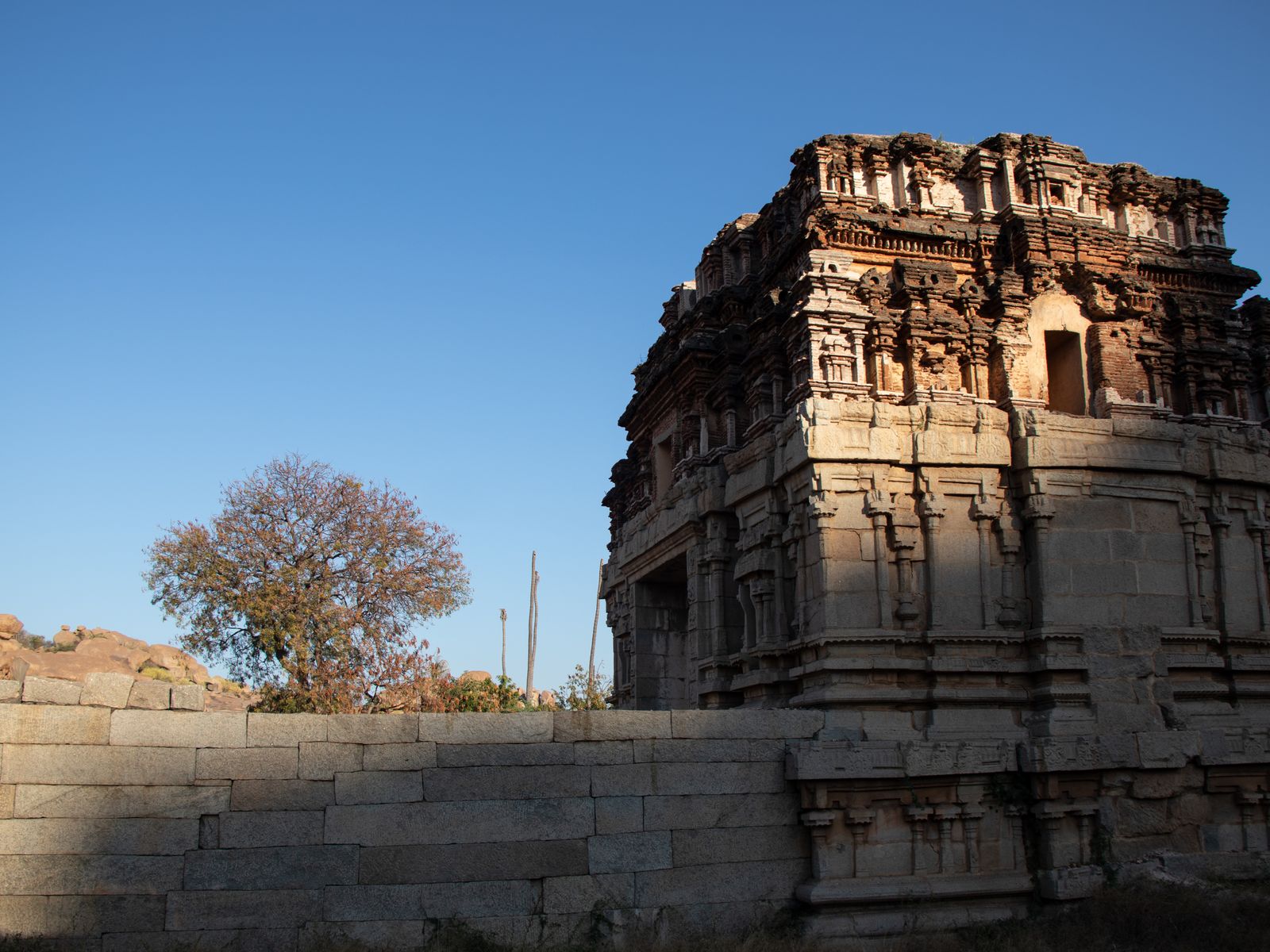
Tamil NaduPallava poetry by the sea
7th-century rock-cut shore temples, monolithic Rathas and the open-air Arjuna's Penance — the cradle of South Indian architecture.
CulturalUNESCO 1984
6 photographs

07
Chapter 071985
AssamTwo-thirds of the world's rhinos
Floodplains of the Brahmaputra shelter Indian one-horned rhinos, tigers, elephants and migratory birds in dense elephant grass.
NaturalUNESCO 1985
6 photographs

08
Chapter 081985
AssamRiver, grassland, tiger
Bhutan border biosphere reserve known for golden langurs, pygmy hogs and Bengal tigers along the Manas river.
NaturalUNESCO 1985
6 photographs
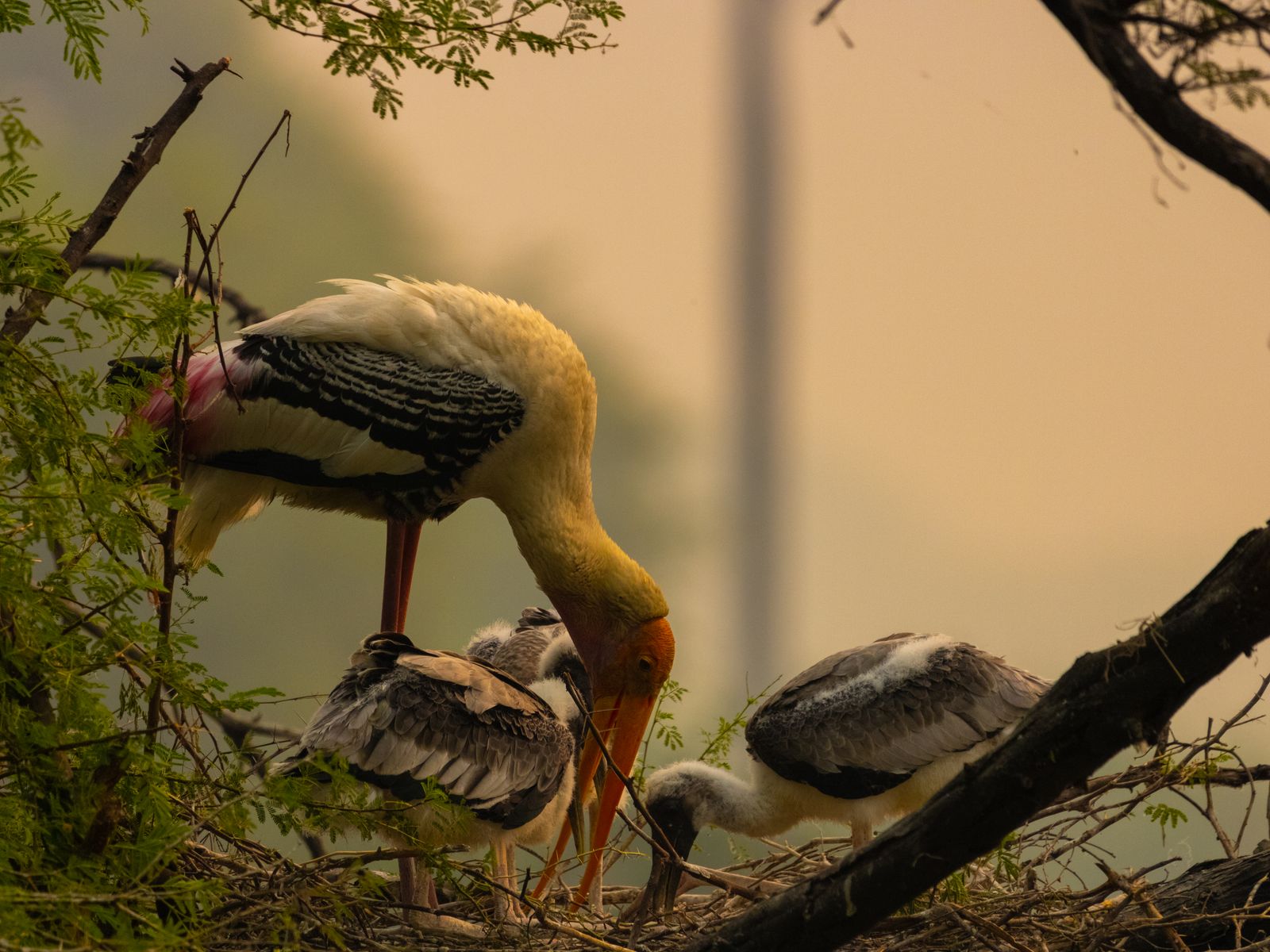
09
Chapter 091985
Bharatpur, RajasthanAn ornithologist's dream
Man-made wetland hosting 370+ bird species — Siberian cranes, painted storks, kingfishers and herons.
NaturalUNESCO 1985
6 photographs
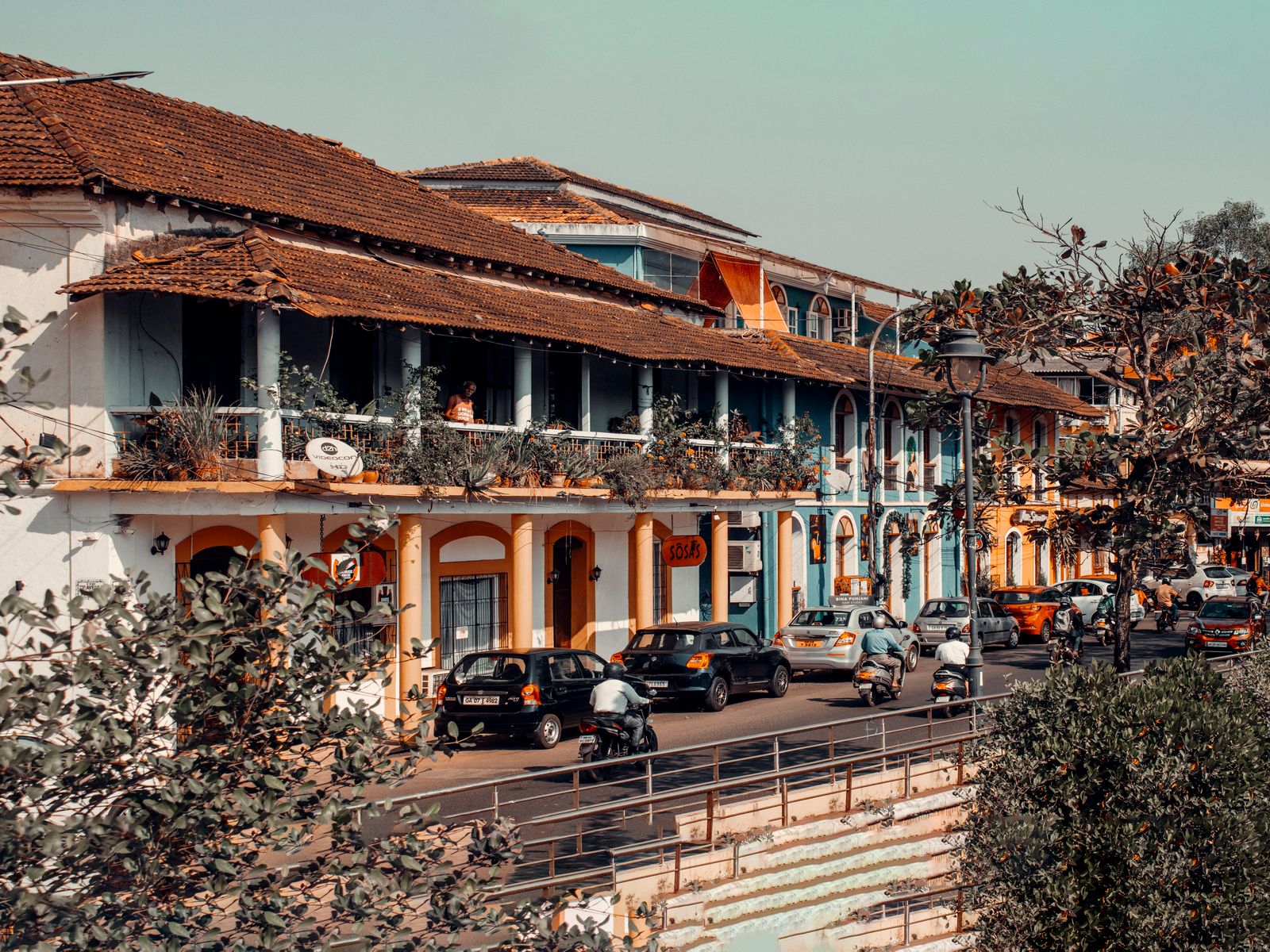
10
Chapter 101986
Old GoaBaroque on the Mandovi
Portuguese ecclesiastical complex — Basilica of Bom Jesus holds the relics of St. Francis Xavier. Manueline, Mannerist and Baroque under tropical skies.
CulturalUNESCO 1986
6 photographs
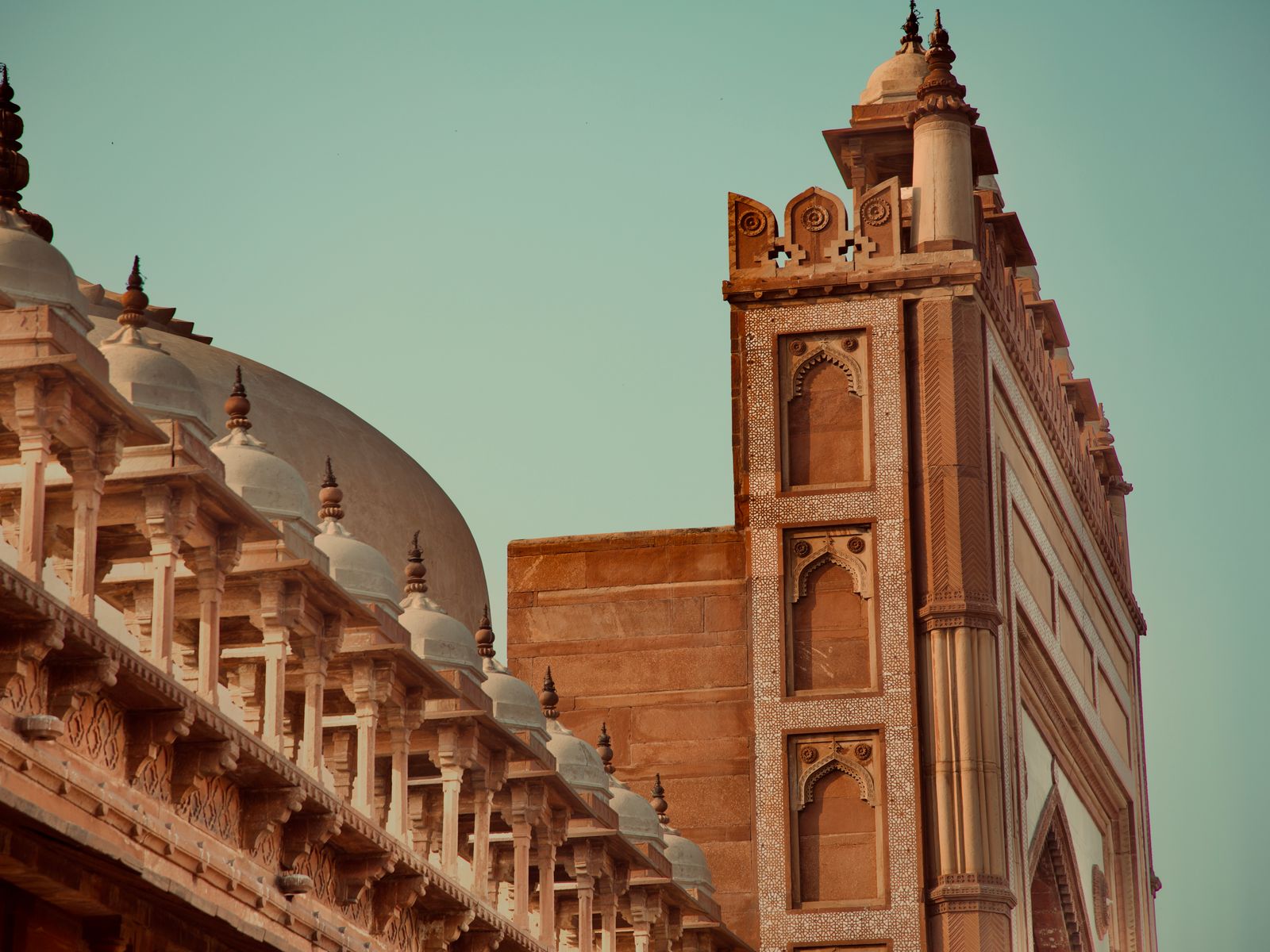
11
Chapter 111986
Uttar PradeshAkbar's red sandstone city
Mughal capital built by Akbar in 1571, abandoned for want of water. Buland Darwaza, Diwan-i-Khas and Jodha Bai's palace stand frozen in time.
CulturalUNESCO 1986
6 photographs
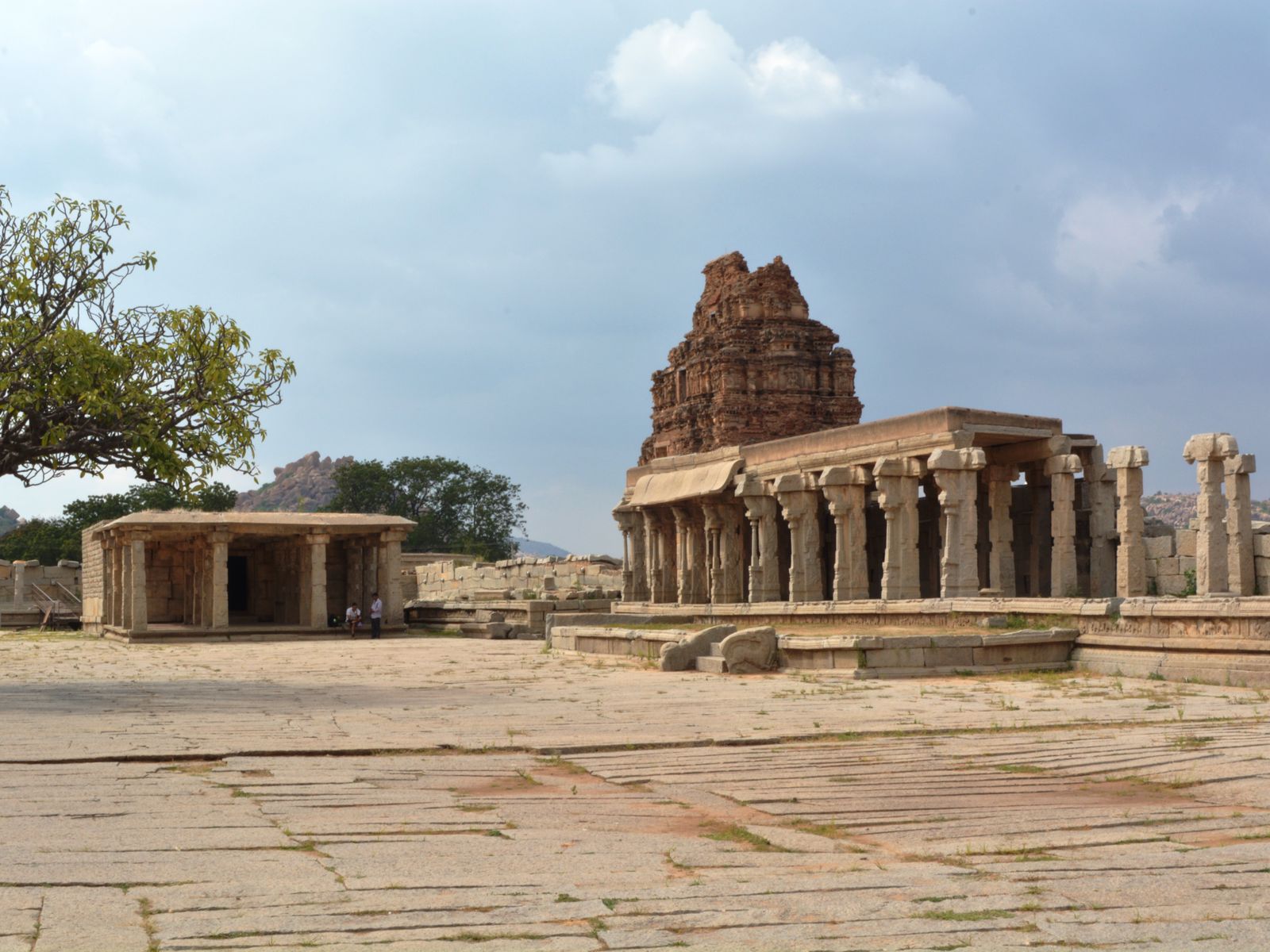
12
Chapter 121986
KarnatakaBoulders, bazaars, an empire
Ruins of Vijayanagara, last great Hindu kingdom. The musical pillars of the Vitthala temple and the Stone Chariot are iconic.
CulturalUNESCO 1986
11 photographs

13
Chapter 131986
Madhya PradeshLife celebrated in sandstone
Nagara-style Chandela temples (950-1050 CE) renowned for sculpting human, divine and erotic life with unmatched delicacy.
CulturalUNESCO 1986
7 photographs

14
Chapter 141987
Mumbai HarbourTrimurti in basalt
Rock-cut Shaiva caves on an island. The 6m Mahesamurti — three-faced Shiva — emerges from the rock in cosmic stillness.
CulturalUNESCO 1987
7 photographs

15
Chapter 151987
Tamil NaduVimanas that touch the sky
Brihadisvara at Thanjavur, Gangaikondacholapuram and Airavatesvara — peak of Chola architecture (11th-12th c).
CulturalUNESCO 1987
7 photographs

16
Chapter 161987
KarnatakaWhere Chalukyas crowned kings
8th-century ensemble where Nagara (north) and Dravida (south) temple styles meet on the banks of the Malaprabha.
CulturalUNESCO 1987
7 photographs

17
Chapter 171987
West BengalMangrove maze of the Bengal tiger
World's largest mangrove forest. Tigers here have learned to swim and the tides reshape the islands daily.
NaturalUNESCO 1987
7 photographs

18
Chapter 181988
UttarakhandAlpine meadows in bloom
Two adjoining national parks in the Garhwal Himalaya — 600+ endemic alpine flowers carpet the valley each monsoon.
NaturalUNESCO 1988
6 photographs

19
Chapter 191989
Madhya PradeshThe Great Stupa of Ashoka
The oldest stone structures in India. The Great Stupa, with its four sculpted toranas, marks the spread of Buddhism under Ashoka.
CulturalUNESCO 1989
7 photographs

20
Chapter 201993
DelhiThe blueprint for the Taj
First garden-tomb on the subcontinent. Persian-Mughal synthesis of red sandstone and white marble in a four-square charbagh.
CulturalUNESCO 1993
7 photographs
21
Chapter 211993
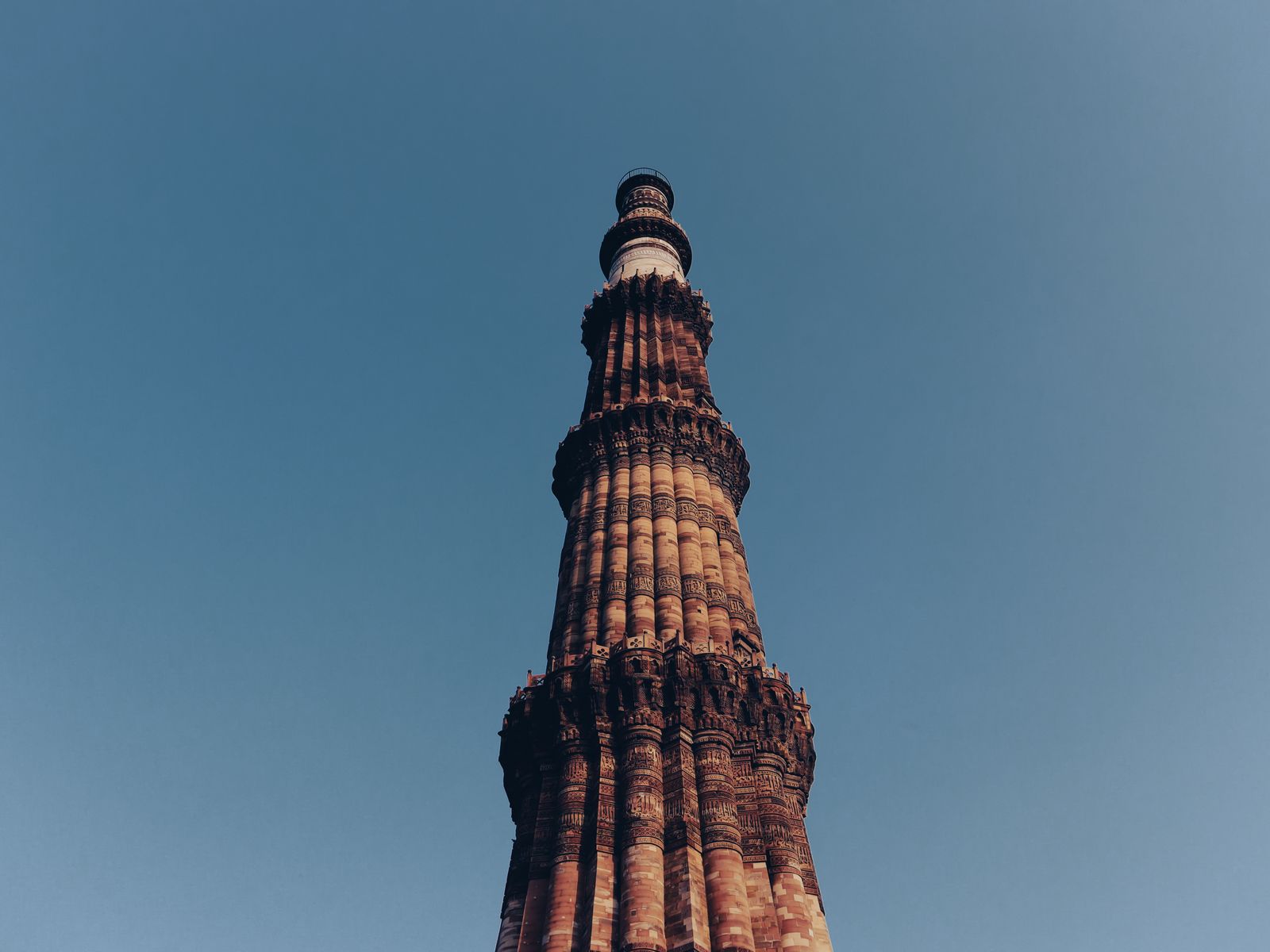
DelhiVictory written in stone
73m fluted minaret begun by Qutb-ud-din Aibak in 1193. The complex includes the rust-resistant Iron Pillar from the 4th century.
CulturalUNESCO 1993
7 photographs

22
Chapter 221999
Darjeeling • Nilgiri • KalkaSteam through the clouds
Three narrow-gauge engineering marvels traversing the Himalayas and Nilgiris with loops, zigzags and Z-reverses.
CulturalUNESCO 1999
7 photographs

23
Chapter 232002
Bodh Gaya, BiharWhere the Buddha awakened
Marking the spot of enlightenment under the Bodhi tree. The 50m tower is one of the earliest brick temples still standing.
CulturalUNESCO 2002
7 photographs

24
Chapter 242003
Madhya Pradesh30,000-year-old galleries
Quartzite rock shelters with prehistoric paintings of hunters, dancers and animals — one of the oldest art records of humanity.
CulturalUNESCO 2003
7 photographs
25
Chapter 252004
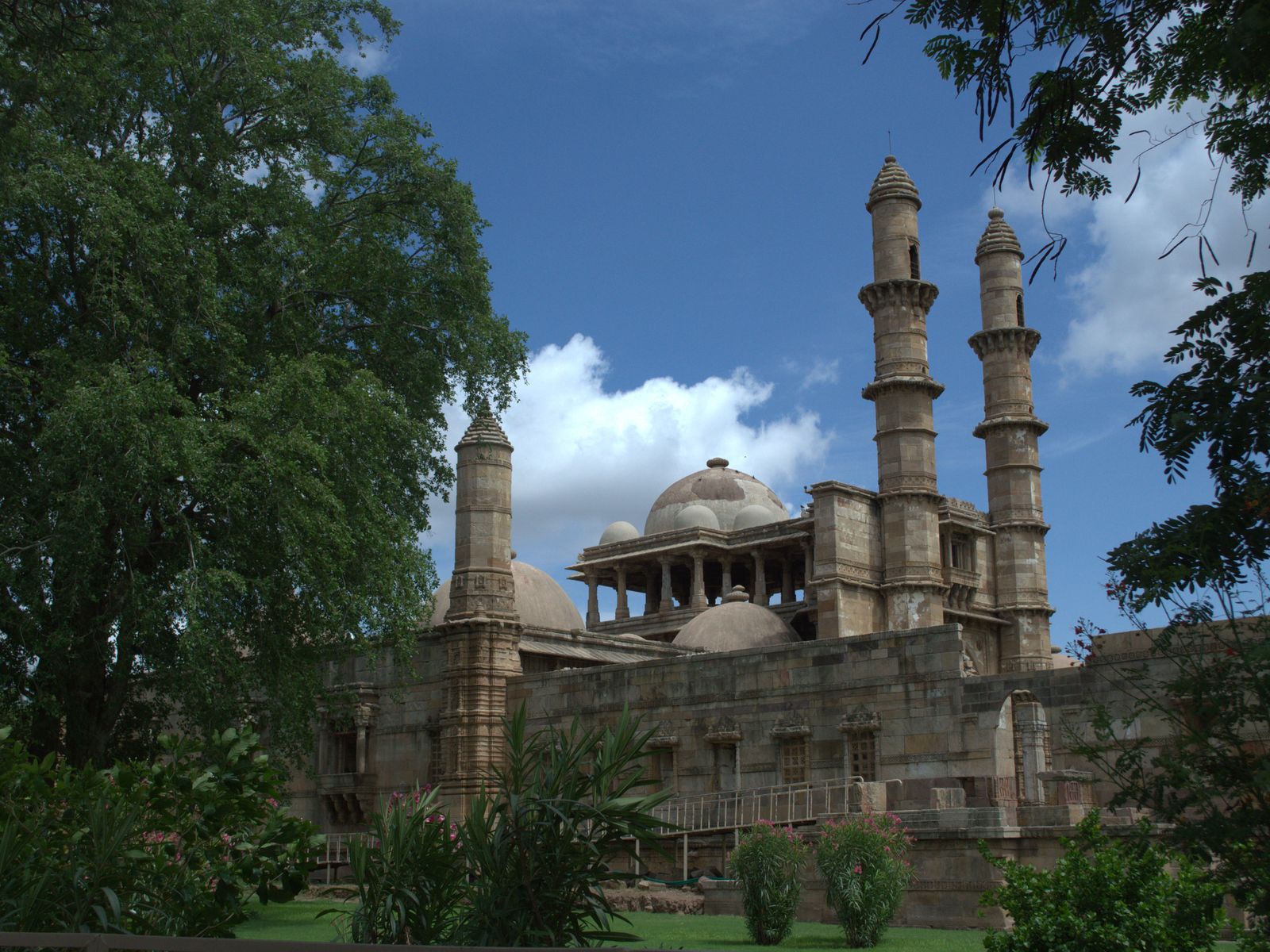
GujaratA 16th-century pre-Mughal city
Hindu-Muslim architecture, mosques, tombs, stepwells and a hilltop Kalika Mata shrine, surrounded by Chalcolithic sites.
CulturalUNESCO 2004
7 photographs

26
Chapter 262004
MumbaiVictorian Gothic on the Arabian Sea
F.W. Stevens' 1888 station fusing Victorian Italianate Gothic with Indian traditional palace motifs — still a working terminus.
CulturalUNESCO 2004
7 photographs
27
Chapter 272007
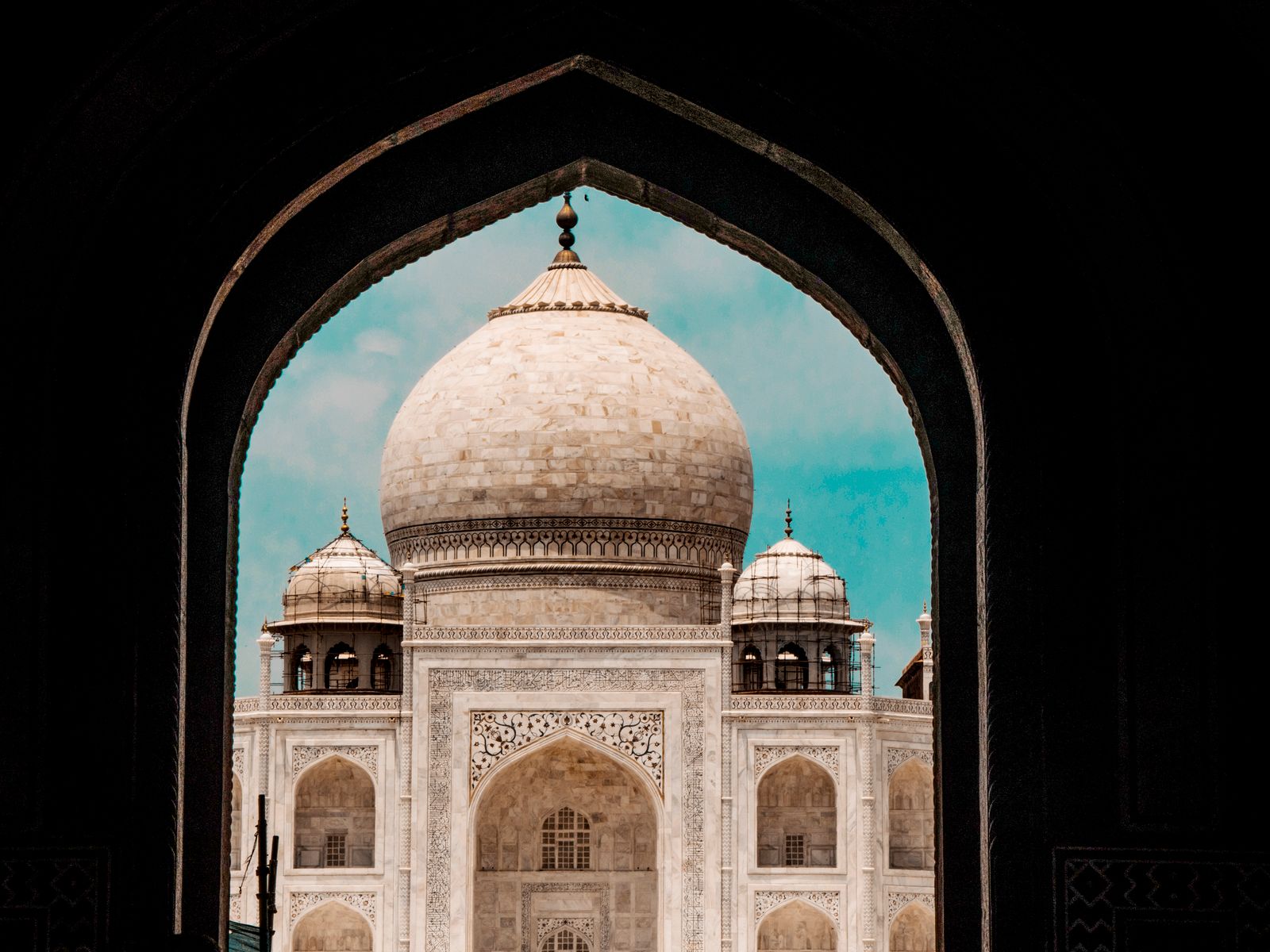
DelhiShah Jahan's citadel
Apex of Mughal creativity under Shah Jahan. The Lahori Gate hosts India's Independence Day address each August 15.
CulturalUNESCO 2007
7 photographs

28
Chapter 282010
JaipurStone instruments to read the sky
Sawai Jai Singh II's 18th-century astronomical observatory — masonry instruments still measure time to a 2-second accuracy.
CulturalUNESCO 2010
7 photographs

29
Chapter 292012
6 StatesOlder than the Himalayas
39 serial properties protecting one of the world's eight biodiversity hotspots — shola forests, monsoon clouds and endemic species.
NaturalUNESCO 2012
7 photographs

30
Chapter 302013
RajasthanSix citadels of the Rajputs
Chittorgarh, Kumbhalgarh, Ranthambore, Gagron, Amber and Jaisalmer — Aravalli forts of stone, palaces and stepped reservoirs.
CulturalUNESCO 2013
7 photographs

31
Chapter 312014
Patan, GujaratAn inverted temple to water
Queen Udayamati's 11th-century stepwell descends seven storeys, lined with 500+ sculptures of Vishnu's avatars and apsaras.
CulturalUNESCO 2014
7 photographs

32
Chapter 322016
BiharThe ancient world's great university
From 5th-13th c. CE, Nalanda taught 10,000 monks from across Asia — its red-brick mounds preserve stupas and viharas.
CulturalUNESCO 2016
7 photographs
33
Chapter 332016
SikkimThe third highest peak, sacred
India's only mixed Heritage site — alpine glaciers, sacred Buddhist landscapes and the home mountain of the Lepcha people.
MixedUNESCO 2016
7 photographs

34
Chapter 342017
GujaratPols, mosques and Sufi shrines
Walled city of Sultanate-era mosques, Hindu and Jain temples, and gated 'pol' neighbourhoods with carved wooden havelis.
CulturalUNESCO 2017
7 photographs
35
Chapter 352018
MumbaiTwo centuries on one street
Fort precinct's Gothic Revival public buildings face Marine Drive's curve of pastel Art Deco apartments — the largest such ensemble outside Miami.
CulturalUNESCO 2018
7 photographs

36
Chapter 362019
RajasthanA city planned by the stars
Sawai Jai Singh II's 1727 grid plan based on Vastu Shastra. Pink-washed in 1876 to welcome the Prince of Wales.
CulturalUNESCO 2019
7 photographs

37
Chapter 372021
Kutch, GujaratA Harappan city of reservoirs
3000-1500 BCE Indus Valley city in the white desert of Kutch. Sixteen reservoirs and a 'signboard' of Indus script survive.
CulturalUNESCO 2021
7 photographs

38
Chapter 382021
TelanganaFloating bricks, earthquake-proof
13th-century Kakatiya temple built on a sandbox foundation, with porous bricks light enough to float on water.
CulturalUNESCO 2021
7 photographs

39
Chapter 392023
West BengalTagore's open-air university
Founded by the Tagores, a pan-Asian modernist educational landscape where classes are held under the trees.
CulturalUNESCO 2023
7 photographs
40
Chapter 402023
KarnatakaSoapstone lathed like jewellery
Belur, Halebidu and Somanathapura. Star-shaped platforms and lathe-turned pillars carved to micro detail in the 12th-13th c.
CulturalUNESCO 2023
7 photographs
41
Chapter 412024
Assam700-year-old royal mounds
First cultural Heritage site from Northeast India. Ahom kings buried beneath grass-covered hemispherical mounds in Charaideo.
CulturalUNESCO 2024
7 photographs
42
Chapter 422025
Maharashtra & Tamil NaduTwelve forts of self-rule
Raigad, Rajgad, Pratapgad, Shivneri, Gingee and more — Shivaji's network of hill, coastal and island forts.
CulturalUNESCO 2025
7 photographs